

Can Parylene N be used in microfluidic devices?
Sep 03, 2025
Leave a message
Hey there! As a supplier of Parylene N, I often get asked whether this amazing material can be used in microfluidic devices. Well, let's dive right into it and explore the possibilities.
First off, what's Parylene N? It's a type of polymer that's deposited through a chemical vapor deposition (CVD) process. This gives it some really cool properties. Parylene N forms a thin, conformal coating that's super smooth and has excellent barrier properties. It's also biocompatible, which is a huge plus in a lot of applications, especially those related to the medical field.
Now, let's talk about microfluidic devices. These are tiny devices that handle small amounts of fluids, usually on the scale of microliters or even nanoliters. They're used in a wide range of fields, from medical diagnostics to chemical analysis. In these devices, the materials used need to have specific properties. They need to be chemically inert, have low surface roughness, and be able to withstand the flow of fluids without degrading.
So, can Parylene N fit the bill for microfluidic devices? The answer is a big yes! One of the main advantages of using Parylene N in microfluidics is its chemical inertness. Microfluidic devices often deal with all sorts of chemicals, and if the material of the device reacts with these chemicals, it can mess up the results of the analysis or the function of the device. Parylene N doesn't react easily with most chemicals, so it can be used in a variety of chemical environments.
Another great thing about Parylene N is its low surface roughness. In microfluidic channels, even a small amount of surface roughness can cause problems. It can disrupt the flow of fluids, leading to inaccurate results or even clogging of the channels. Parylene N's smooth surface helps to ensure a laminar flow of fluids through the microchannels, which is crucial for the proper functioning of the device.
Biocompatibility is also a major factor in many microfluidic applications, especially those involving biological samples. For example, in medical diagnostics, microfluidic devices are used to analyze blood, urine, or other body fluids. Parylene N's biocompatibility means that it won't cause any adverse reactions with these biological samples, making it a safe choice for these types of applications.
In addition to these properties, Parylene N can also be deposited in very thin layers. This is important in microfluidic devices because space is often limited. The ability to deposit a thin, yet effective coating allows for the miniaturization of the devices, which is a key trend in the field of microfluidics.
Let's take a look at some specific examples of how Parylene N can be used in microfluidic devices. In lab-on-a-chip devices, which are a type of microfluidic device that integrates multiple laboratory functions on a single chip, Parylene N can be used as a coating for the microchannels. This helps to prevent the adsorption of biomolecules on the channel walls, which can interfere with the analysis.
In microvalves and micropumps, which are components of microfluidic devices used to control the flow of fluids, Parylene N can be used to improve the performance and reliability of these components. Its low friction coefficient and chemical resistance make it an ideal material for the moving parts of these devices.
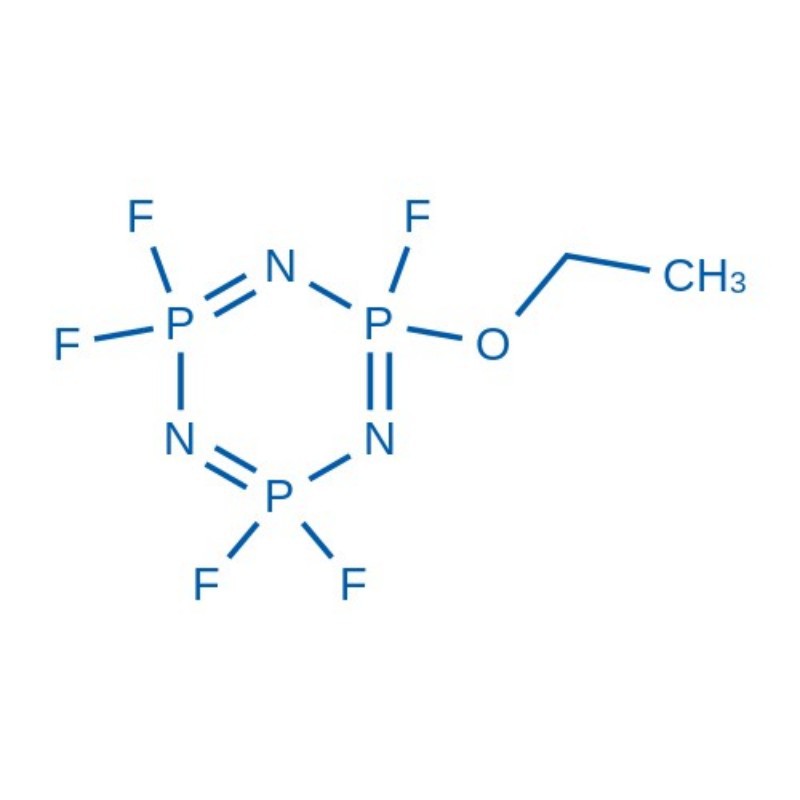
Now, I want to mention a few related materials that are also used in the field of new materials. Lithium Difluoro(oxalato)borate is a compound that's used in some battery applications. It has unique chemical properties that make it useful for improving the performance of lithium-ion batteries. Ethoxy(pentafluoro)cyclotriphosphazene is another interesting material. It has flame-retardant properties and is used in some high-performance polymers. And 1,3-Propanesultone is a compound that's used in the synthesis of various chemicals, including some surfactants and polymers.
If you're involved in the development or production of microfluidic devices and you're looking for a high-quality Parylene N supplier, I'd love to have a chat with you. I can provide you with samples so you can test the material in your own applications. We have a team of experts who can also help you with any technical questions you might have about using Parylene N in your microfluidic devices. Whether you need a small amount for research purposes or a large quantity for mass production, we can meet your needs.

In conclusion, Parylene N is a great choice for microfluidic devices. Its chemical inertness, low surface roughness, biocompatibility, and thin deposition capabilities make it well-suited for a variety of microfluidic applications. If you're interested in learning more about how Parylene N can benefit your microfluidic projects, don't hesitate to reach out. Let's work together to take your microfluidic devices to the next level!
References
- "Microfluidics: Fundamentals and Applications" by David J. Beebe
- "Parylene Coatings: Technology and Applications" by various authors