

How to improve the adhesion strength of Parylene C Dimer coatings?
Jan 22, 2026
Leave a message
Parylene C Dimer is a remarkable material that has found widespread applications in various industries, primarily due to its excellent protective properties. It forms a thin, conformal coating through a chemical vapor deposition process, offering outstanding moisture, chemical, and dielectric protection. However, one of the critical challenges in utilizing Parylene C Dimer coatings is ensuring adequate adhesion strength. As a leading Parylene C Dimer supplier, we understand the significance of this issue and are committed to sharing effective strategies to improve the adhesion strength of these coatings.
Understanding the Basics of Parylene C Dimer Coatings
Before delving into the methods to enhance adhesion strength, it is essential to understand the nature of Parylene C Dimer coatings. Parylene C Dimer is a white crystalline powder that, when heated in a vacuum chamber, sublimates and then pyrolyzes into a reactive monomer. This monomer then polymerizes on the surface of the substrate, forming a continuous, pinhole - free coating. The coating has a high degree of conformality, meaning it can coat even the most complex shapes uniformly.
The adhesion of Parylene C Dimer coatings depends on several factors, including the surface properties of the substrate, the deposition conditions, and any surface pre - treatments applied. Poor adhesion can lead to coating delamination, which compromises the protective function of the coating and can cause product failure.
Surface Preparation
The surface condition of the substrate is a crucial factor in determining the adhesion strength of Parylene C Dimer coatings. A clean, smooth, and chemically active surface allows for better interaction between the substrate and the coating. Here are some common surface preparation techniques:
Cleaning
- Solvent Cleaning: Using solvents such as isopropyl alcohol or acetone can remove surface contaminants like oils, greases, and dust. Solvent cleaning is a simple and effective method, but it must be carried out carefully to ensure that all solvent residues are removed. Improper solvent cleaning can leave behind residues that may actually reduce adhesion.
- Plasma Cleaning: Plasma cleaning is a more advanced technique that uses a low - pressure plasma to remove organic contaminants from the surface. The plasma can also modify the surface chemistry, creating a more reactive surface for coating adhesion. For example, oxygen plasma can introduce polar functional groups on the substrate surface, enhancing the interaction with the Parylene C Dimer coating.
Etching
Etching the substrate surface can increase its roughness, providing more surface area for the coating to bond to. Chemical etching can be used for some substrates, such as metals. For instance, a mild acid etch can be applied to aluminum or stainless - steel substrates to create a micro - rough surface. However, it is important to control the etching process to avoid over - etching, which can damage the substrate.
Priming
Applying a primer to the substrate surface can also improve adhesion. Primers are thin layers of material that have good adhesion to both the substrate and the Parylene C Dimer coating. They can fill in surface irregularities and provide a more homogeneous surface for coating deposition. Some primers contain functional groups that can react with the Parylene C Dimer monomers during deposition, forming a strong chemical bond.
Optimizing Deposition Conditions
The deposition process of Parylene C Dimer also plays a significant role in determining adhesion strength. The following deposition parameters can be optimized:
Deposition Temperature
The temperature during the deposition process affects the mobility of the Parylene C Dimer monomers and their interaction with the substrate surface. A higher deposition temperature can increase the reactivity of the monomers, leading to better adhesion. However, if the temperature is too high, it may cause thermal damage to the substrate or the coating itself. Therefore, it is necessary to find an optimal deposition temperature based on the specific substrate material and the requirements of the application.

Deposition Rate
The rate at which the Parylene C Dimer is deposited can influence adhesion. A slow deposition rate allows the monomers more time to interact with the substrate surface and form strong bonds. On the other hand, a very fast deposition rate may result in a less well - adhered coating, as the monomers do not have sufficient time to react properly. Controlling the feed rate of the Parylene C Dimer into the deposition chamber is crucial for achieving an optimal deposition rate.
Chamber Pressure
The pressure in the deposition chamber affects the distribution and interaction of the Parylene C Dimer monomers. A lower pressure can help to ensure a more uniform distribution of the monomers and reduce the presence of impurities in the coating. However, extremely low pressures may also cause problems, such as reduced deposition efficiency. Therefore, the chamber pressure should be carefully optimized for each specific substrate and coating application.
Using Additives and Modifiers
In addition to surface preparation and deposition condition optimization, the use of additives and modifiers can also improve the adhesion strength of Parylene C Dimer coatings. Some additives can enhance the chemical interaction between the coating and the substrate, while others can modify the physical properties of the coating to improve its adhesion.
Cross - Linking Agents
Cross - linking agents can be added to the Parylene C Dimer to form a more rigid and strongly - bonded coating. These agents react with the Parylene C Dimer monomers during deposition, creating a three - dimensional network structure. This network structure can enhance the mechanical properties of the coating and improve its adhesion to the substrate.
Adhesion Promoters
Adhesion promoters are substances that can improve the adhesion between the coating and the substrate by chemically bonding to both materials. For example, silane - based adhesion promoters can react with hydroxyl groups on the substrate surface and with the Parylene C Dimer coating, forming a strong chemical bridge.
Applications and the Importance of Adhesion
In many applications, the adhesion strength of Parylene C Dimer coatings is of utmost importance. For example, in the electronics industry, Parylene C Dimer coatings are used to protect printed circuit boards (PCBs) from moisture, chemicals, and mechanical damage. A well - adhered coating ensures long - term reliability of the PCBs. In the medical device industry, Parylene C Dimer coatings are used to provide a biocompatible and protective layer on implants and other medical devices. Adequate adhesion is necessary to prevent the coating from delaminating and causing potential harm to the patient.
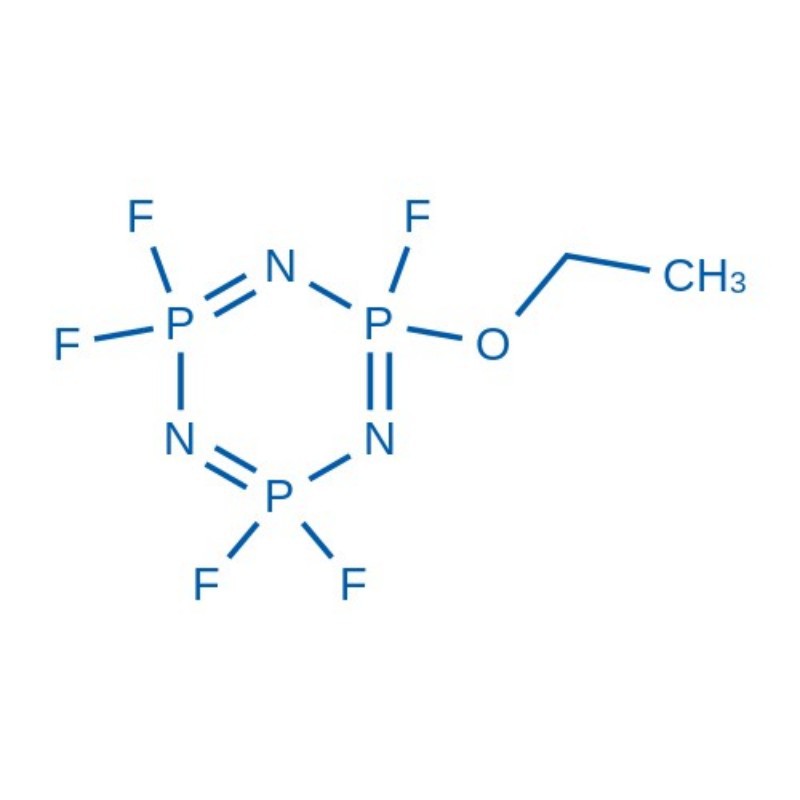
Moreover, in the field of energy storage, materials like Lithium Bis(fluorosulfonyl)imide, Lithium Difluorophosphate, and Ethoxy(pentafluoro)cyclotriphosphazene are often used in combination with Parylene C Dimer coatings. A strong - adhered Parylene C Dimer coating can protect these energy - related materials from environmental factors and improve the overall performance and lifespan of energy storage devices.
Conclusion
Improving the adhesion strength of Parylene C Dimer coatings is a multi - faceted challenge that requires careful consideration of surface preparation, deposition conditions, and the use of additives and modifiers. As a Parylene C Dimer supplier, we are dedicated to providing high - quality products and technical support to help our customers overcome these challenges. If you are interested in purchasing Parylene C Dimer or need more information on improving coating adhesion, please feel free to contact us for further discussion and negotiation.
References
- Brown, A. D. (2018). Parylene Coating Technology. Springer.
- Smith, J. K. (2019). Surface Engineering for Adhesion. Wiley.
- Chen, L. (2020). Advances in Coating Deposition Techniques. Elsevier.