

Can Vitamin A supplements improve night vision in the elderly?
Aug 29, 2025
Leave a message
As an established Vitamin A supplier, I've witnessed a growing interest in the potential benefits of Vitamin A supplements, especially when it comes to improving night vision in the elderly. In this blog, we'll delve into the science behind this claim, exploring the role of Vitamin A in vision, the impact of aging on night vision, and the effectiveness of supplements.
The Role of Vitamin A in Vision
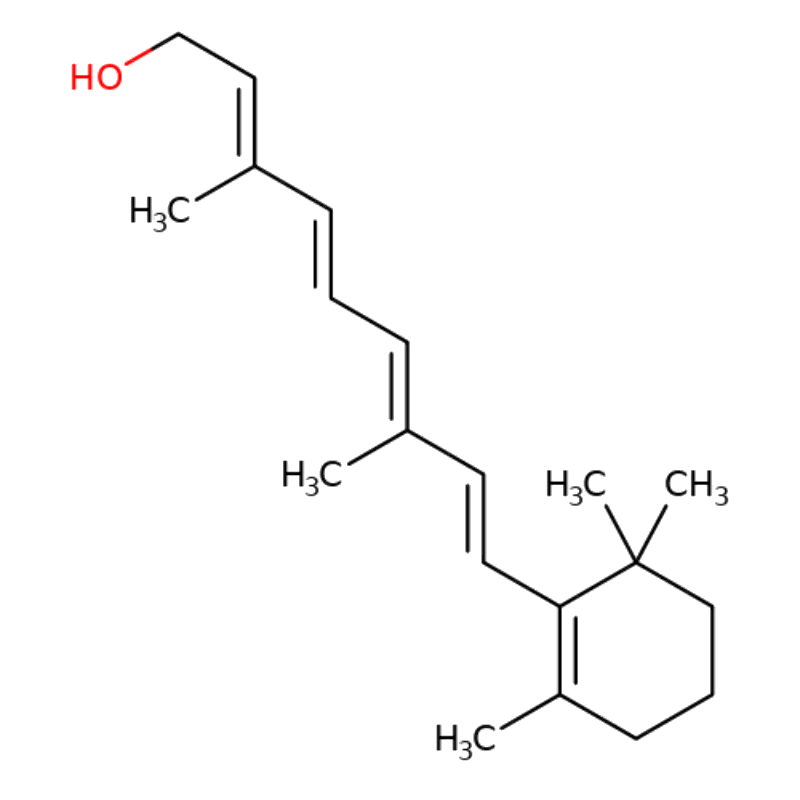
Vitamin A plays a crucial role in maintaining good vision, particularly in low - light conditions. There are two main forms of Vitamin A that are relevant to eye health: retinoids (found in animal products) and carotenoids (found in plant - based foods). Retinoids are directly used by the body, while carotenoids, such as beta - carotene, can be converted into retinoids.
In the eye, Vitamin A is a key component of rhodopsin, a light - sensitive pigment in the rods of the retina. Rods are responsible for vision in dim light. When light enters the eye, rhodopsin undergoes a chemical change, which triggers a series of nerve impulses that are sent to the brain. Without an adequate supply of Vitamin A, the production of rhodopsin is impaired, leading to difficulties in seeing in low - light environments, a condition known as night blindness. You can learn more about Vitamin A on our website.
Aging and Night Vision
As we age, our eyes undergo a series of physiological changes that can affect night vision. The lens of the eye becomes less flexible and more opaque, reducing the amount of light that reaches the retina. The number of rods in the retina also decreases with age, further diminishing the eye's ability to detect light in low - light conditions. Additionally, older adults may have a reduced ability to adapt to changes in light levels, which can make it challenging to see clearly when moving from a well - lit area to a dark one.
Moreover, age - related eye diseases such as cataracts, glaucoma, and age - related macular degeneration (AMD) are more prevalent in the elderly. These conditions can cause significant damage to the eye's structures and further impair night vision.
Can Vitamin A Supplements Improve Night Vision in the Elderly?
The question of whether Vitamin A supplements can improve night vision in the elderly is a complex one. In cases where night blindness is caused by a Vitamin A deficiency, supplementing with Vitamin A can be highly effective. A deficiency in Vitamin A is relatively rare in developed countries, but it can still occur in certain populations, such as the elderly who may have poor dietary intake or malabsorption issues.
Several studies have shown that Vitamin A supplementation can improve night vision in individuals with a confirmed Vitamin A deficiency. For example, a study conducted on elderly patients with mild Vitamin A deficiency found that after a few weeks of supplementation, there was a significant improvement in their ability to see in low - light conditions. However, in cases where night vision problems are due to other factors such as age - related eye diseases or normal age - related changes in the eye, the effectiveness of Vitamin A supplements is less clear.
It's important to note that while Vitamin A is essential for eye health, excessive intake can be toxic. High doses of Vitamin A can lead to a variety of health problems, including liver damage, bone loss, and birth defects in pregnant women. Therefore, it's crucial to take Vitamin A supplements under the guidance of a healthcare professional.
Complementary Nutrients for Eye Health
In addition to Vitamin A, there are other nutrients that can support eye health and potentially improve night vision in the elderly. Glutathione is a powerful antioxidant that helps protect the cells of the eye from oxidative damage. Oxidative stress is a major contributor to age - related eye diseases, and by reducing it, glutathione may help maintain good vision.
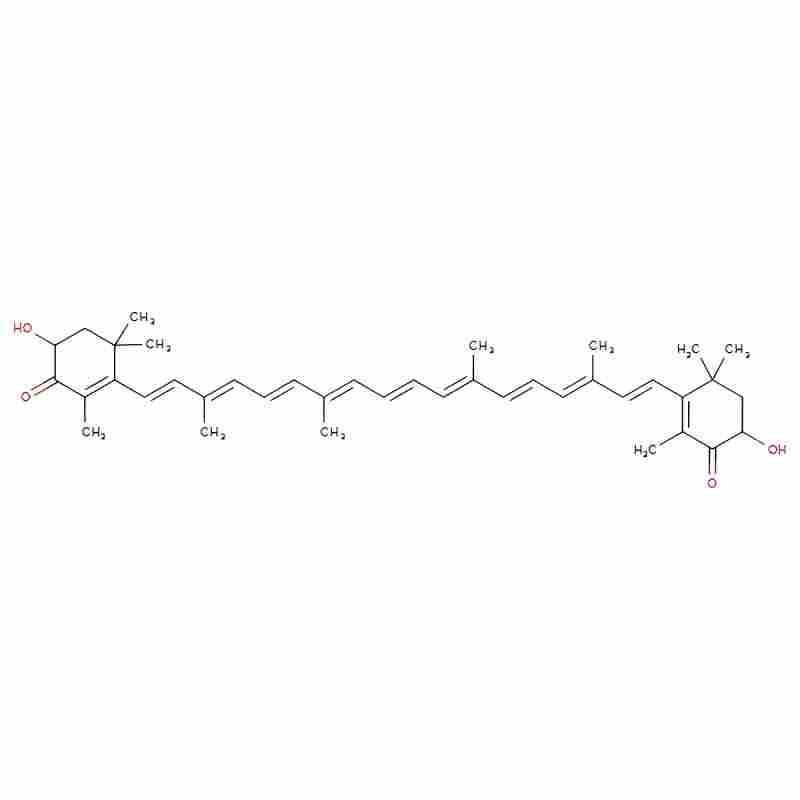
Astaxanthin is another antioxidant that has been shown to have beneficial effects on eye health. It can help improve blood flow to the eyes, reduce inflammation, and protect the retina from damage. Combining these nutrients with Vitamin A may provide a more comprehensive approach to supporting eye health in the elderly.
Our Vitamin A Supplements
As a trusted Vitamin A supplier, we offer high - quality Vitamin A supplements that are carefully formulated to meet the needs of the elderly. Our products are sourced from reliable suppliers and undergo strict quality control measures to ensure purity and potency.
Our Vitamin A supplements are available in various forms, including softgels and capsules, making them easy to take. We also offer products that combine Vitamin A with other eye - friendly nutrients such as glutathione and astaxanthin, providing a convenient way to support overall eye health.
How to Incorporate Vitamin A Supplements
If you're considering Vitamin A supplements for yourself or an elderly loved one, it's important to start with a consultation with a healthcare provider. They can assess the individual's dietary intake, overall health, and any existing medical conditions to determine if Vitamin A supplementation is appropriate.
If a healthcare provider recommends Vitamin A supplements, it's important to follow the recommended dosage. Our products come with clear instructions on how to take them, and we also provide customer support to answer any questions you may have.
Conclusion
While Vitamin A plays a vital role in maintaining good night vision, the effectiveness of Vitamin A supplements in improving night vision in the elderly depends on the underlying cause of the vision problems. In cases of Vitamin A deficiency, supplementation can be beneficial, but in cases of age - related eye diseases or normal age - related changes, the results may be less conclusive.
However, incorporating Vitamin A supplements along with other eye - friendly nutrients such as glutathione and astaxanthin can provide a comprehensive approach to supporting eye health in the elderly. As a Vitamin A supplier, we are committed to providing high - quality products and reliable information to help you make informed decisions about your eye health.
If you're interested in learning more about our Vitamin A supplements or have any questions about eye health, we encourage you to reach out to us. We're here to assist you in your journey towards better vision. Whether you're a healthcare professional looking for reliable supplements for your patients or an individual seeking to improve your own eye health, we're ready to help. Contact us to start a procurement discussion and find the right Vitamin A products for your needs.
References
- Sommer A, West KP Jr. Vitamin A Deficiency: Health, Survival, and Vision. Oxford University Press; 1996.
- Age - Related Eye Disease Study Research Group. A randomized, placebo - controlled, clinical trial of high - dose supplementation with vitamins C and E, beta - carotene, and zinc for age - related macular degeneration and vision loss: AREDS report no. 8. Arch Ophthalmol. 2001;119(10):1417 - 1436.
- Krinsky NI, Landrum JT, Bone RA. Biologic mechanisms of the protective role of lutein and zeaxanthin in the eye. Annu Rev Nutr. 2003;23:171 - 201.