

Does Resveratrol have anti - aging properties?
Dec 17, 2025
Leave a message
In recent years, the quest for the fountain of youth has led to a surge in interest in various substances purported to have anti - aging properties. One such substance that has captured the attention of researchers, health enthusiasts, and the beauty industry alike is resveratrol. As a resveratrol supplier, I've witnessed firsthand the growing demand for this compound, and I'm often asked about its true anti - aging capabilities. In this blog, we'll delve into the scientific evidence to explore whether resveratrol truly has anti - aging properties.
What is Resveratrol?
Resveratrol is a natural polyphenol found in a variety of plants, including grapes, berries, and peanuts. It is produced by these plants as a defense mechanism against environmental stresses such as fungal infections, ultraviolet radiation, and injury. The most common forms of resveratrol are trans - resveratrol and cis - resveratrol, with trans - resveratrol being the more biologically active form.
Theories Behind Resveratrol's Anti - Aging Potential
1. Activation of Sirtuins
Sirtuins are a family of proteins that play a crucial role in regulating cellular processes such as metabolism, DNA repair, and inflammation. They are often referred to as "longevity genes" because of their association with increased lifespan in various organisms. Resveratrol is believed to activate sirtuins, particularly SIRT1. By activating SIRT1, resveratrol may help cells maintain their normal functions and resist the effects of aging. For example, SIRT1 can deacetylate various proteins involved in stress response and metabolism, which may contribute to improved cellular health and longevity.
2. Antioxidant Activity
Oxidative stress is a major contributor to the aging process. It occurs when there is an imbalance between the production of reactive oxygen species (ROS) and the body's antioxidant defenses. ROS can damage cellular components such as DNA, proteins, and lipids, leading to cellular dysfunction and aging - related diseases. Resveratrol is a powerful antioxidant that can scavenge ROS and protect cells from oxidative damage. It can also stimulate the body's own antioxidant defense mechanisms, such as the production of antioxidant enzymes like superoxide dismutase and glutathione peroxidase.
3. Anti - inflammatory Effects
Inflammation is another key factor in the aging process. Chronic low - grade inflammation, also known as inflammaging, is associated with a range of age - related diseases, including cardiovascular disease, neurodegenerative diseases, and cancer. Resveratrol has been shown to have anti - inflammatory properties by inhibiting the activation of pro - inflammatory signaling pathways, such as the nuclear factor - kappa B (NF - κB) pathway. By reducing inflammation, resveratrol may help prevent or delay the onset of age - related diseases.
Scientific Evidence of Resveratrol's Anti - Aging Effects
In Vitro Studies
In vitro studies have provided valuable insights into the molecular mechanisms of resveratrol's anti - aging effects. For example, many studies have shown that resveratrol can extend the lifespan of yeast, worms, and flies. In yeast cells, resveratrol activates sirtuins and promotes a metabolic state similar to calorie restriction, which has been shown to increase lifespan in many organisms. In mammalian cell cultures, resveratrol has been shown to protect cells from oxidative stress, reduce inflammation, and improve mitochondrial function.

Animal Studies
Animal studies have also demonstrated promising results regarding resveratrol's anti - aging effects. In mice, resveratrol supplementation has been shown to improve cardiac function, reduce the risk of obesity and diabetes, and extend lifespan. Resveratrol has also been shown to have beneficial effects on cognitive function in animal models of neurodegenerative diseases, such as Alzheimer's disease. These effects are likely due to its antioxidant, anti - inflammatory, and neuroprotective properties.
Human Studies
While the results from in vitro and animal studies are encouraging, the evidence from human studies is less conclusive. Some small - scale human studies have shown potential benefits of resveratrol supplementation, such as improved insulin sensitivity, reduced inflammation, and better cardiovascular health. However, larger and more long - term randomized controlled trials are needed to confirm these findings and determine the optimal dosage and duration of resveratrol supplementation for anti - aging effects.
Resveratrol in the Beauty Industry
The potential anti - aging properties of resveratrol have not gone unnoticed by the beauty industry. Resveratrol is now a popular ingredient in many skincare products, including creams, serums, and lotions. It is believed to help reduce the appearance of fine lines and wrinkles, improve skin elasticity, and protect the skin from oxidative damage caused by UV radiation and environmental pollutants. When applied topically, resveratrol can penetrate the skin and reach the underlying cells, where it can exert its antioxidant and anti - inflammatory effects.
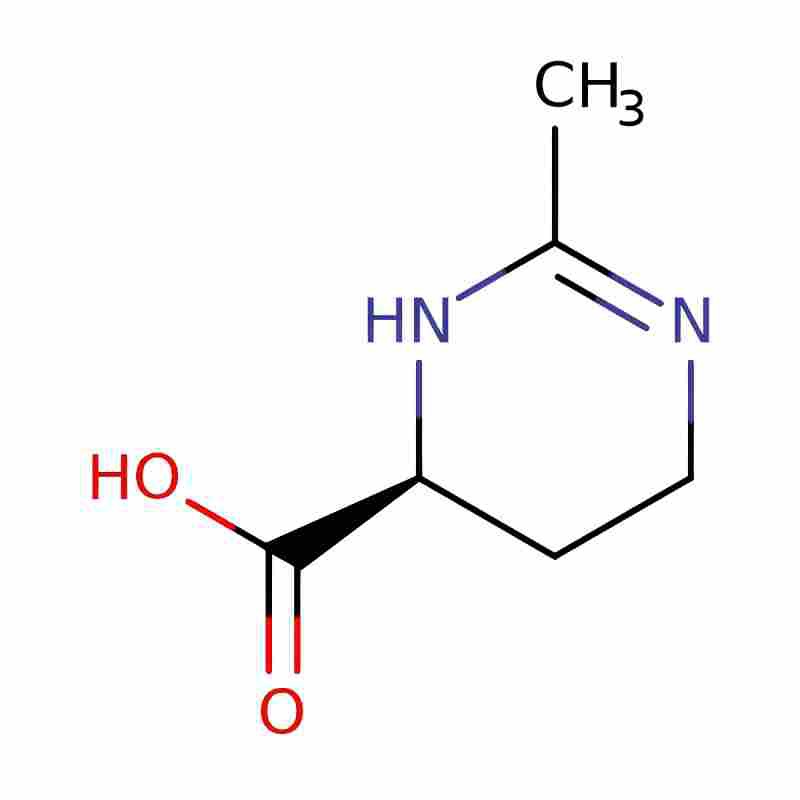
In addition to resveratrol, other ingredients like Argireline, Ectoine, and L-(+)-Ergothioneine are also widely used in the beauty industry for their anti - aging and skin - protecting properties. Argireline is a peptide that can relax facial muscles and reduce the appearance of dynamic wrinkles. Ectoine is a natural osmolyte that can protect cells from environmental stress and improve skin hydration. L-(+)-Ergothioneine is a powerful antioxidant that can protect the skin from oxidative damage and inflammation.
Challenges and Limitations
Despite the promising potential of resveratrol, there are several challenges and limitations that need to be addressed. One of the main challenges is the poor bioavailability of resveratrol. When taken orally, resveratrol is rapidly metabolized and eliminated from the body, which limits its ability to reach the target tissues and exert its effects. To overcome this problem, researchers are exploring various strategies, such as the use of novel delivery systems and the combination of resveratrol with other compounds to enhance its bioavailability.
Another limitation is the lack of standardized dosing guidelines. The optimal dosage of resveratrol for anti - aging effects has not been firmly established, and different studies have used a wide range of dosages. This makes it difficult to compare the results of different studies and to provide clear recommendations for consumers.
Conclusion
In conclusion, while there is substantial evidence from in vitro and animal studies suggesting that resveratrol has anti - aging properties, the evidence from human studies is still limited. Resveratrol's ability to activate sirtuins, act as an antioxidant, and reduce inflammation makes it a promising candidate for anti - aging interventions. However, more large - scale, long - term randomized controlled trials are needed to confirm its efficacy and safety in humans.
As a resveratrol supplier, I am committed to providing high - quality resveratrol products to meet the growing demand for natural anti - aging solutions. Whether you are a researcher looking for resveratrol for your studies, a skincare manufacturer interested in incorporating resveratrol into your products, or a health enthusiast considering resveratrol supplementation, I invite you to contact me for more information and to discuss your specific needs. Let's work together to explore the potential of resveratrol in the fight against aging.
References
- Sinclair, D. A., & Guarente, L. (2014). Unlocking the secrets of longevity genes. Scientific American, 310(4), 46 - 51.
- Baur, J. A., & Sinclair, D. A. (2006). Therapeutic potential of resveratrol: the in vivo evidence. Nature Reviews Drug Discovery, 5(6), 493 - 506.
- Howitz, K. T., Bitterman, K. J., Cohen, H. Y., Lamming, D. W., Lavu, S., Wood, J. G., ... & Sinclair, D. A. (2003). Small molecule activators of sirtuins extend Saccharomyces cerevisiae lifespan. Nature, 425(6954), 191 - 196.