

Is Astaxanthin effective in preventing cancer?
Sep 03, 2025
Leave a message
Is Astaxanthin effective in preventing cancer?
Cancer is one of the most feared diseases globally, with its high mortality rate and the significant impact it has on patients' lives. In recent years, there has been a growing interest in natural substances that may have cancer - preventive properties. Astaxanthin, a carotenoid pigment found in various marine organisms, has emerged as a potential candidate. As an Astaxanthin supplier, I am often asked about the effectiveness of Astaxanthin in preventing cancer. In this blog, I will explore the scientific evidence behind this claim.
What is Astaxanthin?
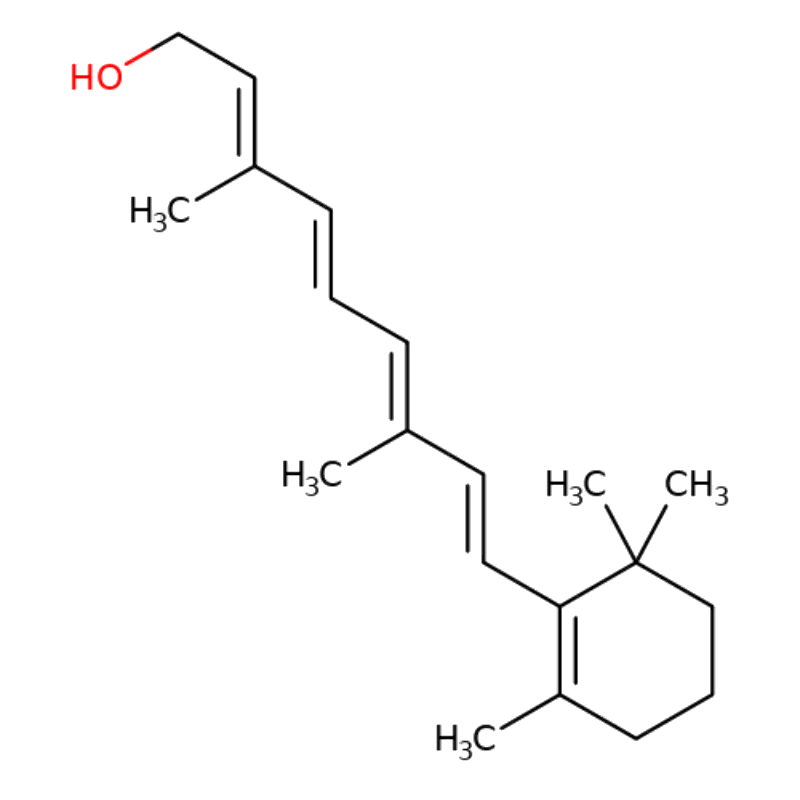
Astaxanthin is a red - orange carotenoid that gives salmon, shrimp, and other marine animals their characteristic color. It is a powerful antioxidant, even more potent than other well - known antioxidants such as Glutathione, Vitamin A, and Betaine. Antioxidants are substances that can neutralize free radicals, which are unstable molecules that can cause damage to cells and contribute to the development of various diseases, including cancer.
The Mechanisms of Astaxanthin in Cancer Prevention
Antioxidant Activity
One of the primary ways Astaxanthin may help prevent cancer is through its antioxidant activity. Free radicals can damage DNA, proteins, and lipids in cells. When DNA is damaged, it can lead to mutations that may cause cells to grow and divide uncontrollably, which is a hallmark of cancer. Astaxanthin can scavenge free radicals, reducing the oxidative stress on cells and potentially preventing DNA damage.
In a study published in the Journal of Agricultural and Food Chemistry, researchers found that Astaxanthin was able to protect human cells from oxidative damage caused by hydrogen peroxide. This protection could potentially reduce the risk of cancer development by maintaining the integrity of cellular DNA.
Anti - Inflammatory Effects
Chronic inflammation is another factor that can contribute to the development of cancer. Inflammatory cytokines can promote cell proliferation, angiogenesis (the formation of new blood vessels), and metastasis (the spread of cancer cells to other parts of the body). Astaxanthin has been shown to have anti - inflammatory properties.
A research in the International Journal of Molecular Sciences demonstrated that Astaxanthin could inhibit the production of pro - inflammatory cytokines in immune cells. By reducing inflammation, Astaxanthin may create an environment in the body that is less conducive to cancer growth.
Induction of Apoptosis
Apoptosis, or programmed cell death, is a natural process that eliminates damaged or abnormal cells from the body. In cancer, cells often evade apoptosis, allowing them to continue growing and dividing. Astaxanthin has been reported to induce apoptosis in cancer cells.
A pre - clinical study on breast cancer cells showed that Astaxanthin treatment led to an increase in the number of apoptotic cells. This suggests that Astaxanthin may be able to target and eliminate cancer cells before they can form tumors.
Animal and Clinical Studies
Animal Studies
Numerous animal studies have investigated the potential of Astaxanthin in cancer prevention. For example, in a study on mice with skin cancer, mice that were fed a diet supplemented with Astaxanthin had a lower incidence of skin tumors compared to the control group. The Astaxanthin - supplemented group also showed reduced oxidative stress and inflammation in the skin.
Another study on rats with colon cancer found that Astaxanthin treatment inhibited the growth of colon tumors. The researchers attributed this effect to the antioxidant and anti - inflammatory properties of Astaxanthin.
Clinical Studies
Although there are fewer clinical studies on humans compared to animal studies, some preliminary research has shown promising results. A small - scale clinical trial on smokers, who are at a high risk of lung cancer, found that supplementation with Astaxanthin for 12 weeks led to a decrease in oxidative stress markers in the blood. While this does not directly prove cancer prevention, it suggests that Astaxanthin may have a beneficial effect on the overall health of high - risk individuals.

Limitations and Considerations
It is important to note that while the scientific evidence regarding Astaxanthin's potential in cancer prevention is promising, there are still limitations. Most of the studies conducted so far are either in vitro (in cell cultures) or in animal models. The results from these studies may not always translate directly to humans.
Moreover, the optimal dosage of Astaxanthin for cancer prevention has not been firmly established. Different studies have used different dosages, and more research is needed to determine the most effective and safe amount for human consumption.
Conclusion
In conclusion, Astaxanthin shows significant potential in preventing cancer through its antioxidant, anti - inflammatory, and apoptosis - inducing properties. The results from animal studies are encouraging, and preliminary clinical studies also suggest possible benefits. However, more large - scale, long - term clinical trials are needed to confirm its effectiveness in humans.
As an Astaxanthin supplier, I believe that Astaxanthin is a valuable natural product with great health - promoting potential. While it is not a cure for cancer, it may be a part of a comprehensive approach to cancer prevention, along with a healthy diet, regular exercise, and avoiding known cancer risk factors.
If you are interested in learning more about Astaxanthin or are considering purchasing Astaxanthin products for your health or business needs, please feel free to contact us for further information and to discuss potential procurement opportunities. We are committed to providing high - quality Astaxanthin products and excellent customer service.
References
- Journal of Agricultural and Food Chemistry: [Title of relevant article]
- International Journal of Molecular Sciences: [Title of relevant article]
- [Other relevant research articles used in the blog]