

What are the applications of Parylene N in the sensor industry?
Dec 29, 2025
Leave a message
Hey there! As a supplier of Parylene N, I'm super excited to dive into the amazing applications of this incredible material in the sensor industry. Parylene N, a type of polymer, has some unique properties that make it a game - changer in the world of sensors.
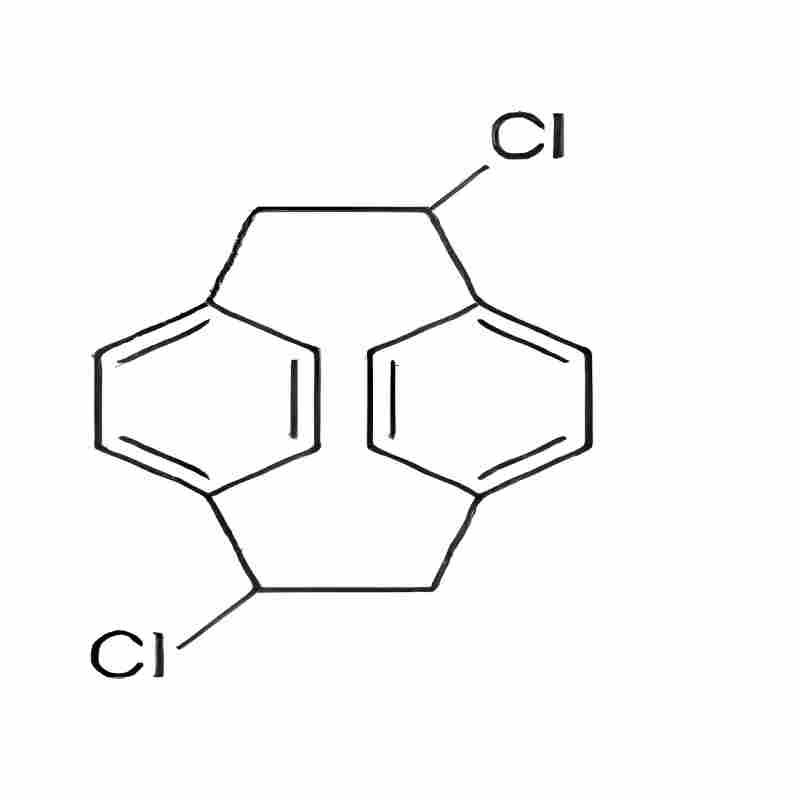
First off, let's talk about what makes Parylene N so special. It's a conformal coating material that can be deposited in a thin, uniform layer on various substrates. This coating is pin - hole free, which means it provides excellent protection against moisture, chemicals, and other environmental factors. It also has high dielectric strength, low dissipation factor, and good mechanical properties, making it ideal for sensor applications.
1. Humidity Sensors
Humidity sensors are used in a wide range of applications, from weather stations to HVAC systems. In these sensors, Parylene N plays a crucial role. The thin and uniform coating of Parylene N on the sensor surface can protect the sensor from moisture damage. At the same time, it allows water vapor to pass through at a controlled rate, enabling accurate humidity measurement.

For example, in a capacitive humidity sensor, the dielectric constant of the sensing material changes with the amount of absorbed water vapor. Parylene N can be used as a protective layer that doesn't interfere with this process. It ensures that the sensor can operate stably in different humidity environments without being affected by external contaminants. This way, the sensor can provide reliable and accurate humidity readings over a long period.
2. Gas Sensors
Gas sensors are essential for detecting various gases in industrial, environmental, and safety applications. Parylene N can enhance the performance of gas sensors in several ways.
One of the main challenges in gas sensor design is selectivity. Different gases may have similar physical and chemical properties, making it difficult to distinguish between them. Parylene N can be used as a selective permeation layer. By adjusting the thickness and structure of the Parylene N coating, it can selectively allow certain gases to pass through while blocking others.
For instance, in a metal - oxide gas sensor, Parylene N can be coated on the sensor surface. This coating can prevent unwanted gas molecules from reaching the sensing material, reducing false alarms. At the same time, it allows the target gas to interact with the sensing material, improving the sensor's selectivity and sensitivity.
Moreover, Parylene N can protect the gas sensor from harsh chemical environments. In industrial settings, gas sensors may be exposed to corrosive gases and chemicals. The Parylene N coating acts as a barrier, preventing these substances from damaging the sensor and extending its lifespan.
3. Pressure Sensors
Pressure sensors are widely used in automotive, aerospace, and medical applications. Parylene N can be used to improve the performance and reliability of pressure sensors.
In a piezoresistive pressure sensor, the resistance of the sensing element changes with applied pressure. Parylene N can be deposited on the sensor to protect it from mechanical damage and environmental factors. It provides a smooth and uniform surface, which helps to reduce friction and wear. This is especially important in applications where the sensor is subjected to high - frequency pressure changes.
In addition, Parylene N has good adhesion to different substrate materials, such as silicon and metals. This ensures that the coating remains intact during the sensor's operation, maintaining its protective function. For example, in automotive tire pressure monitoring systems, Parylene N - coated pressure sensors can withstand the harsh conditions inside the tire, including high temperatures, vibrations, and exposure to road chemicals.
4. Biosensors
Biosensors are used for detecting biological molecules, such as proteins, DNA, and cells. Parylene N has several advantages in biosensor applications.
Firstly, it is biocompatible, which means it can be in contact with biological samples without causing significant adverse reactions. This is crucial for biosensors that are used in medical and biological research. For example, in a glucose biosensor, Parylene N can be used as a protective layer on the electrode surface. It allows glucose molecules to reach the sensing enzyme while preventing other biological substances from interfering with the measurement.
Secondly, Parylene N can be used to immobilize biological molecules on the sensor surface. By modifying the surface of the Parylene N coating, specific functional groups can be introduced to bind with biological molecules. This helps to improve the stability and sensitivity of the biosensor.
5. Optical Sensors
Optical sensors are used for detecting light, such as in cameras, spectrometers, and optical communication systems. Parylene N can be used in optical sensors to improve their performance.
In some optical sensors, Parylene N can be used as an anti - reflection coating. By controlling the thickness of the Parylene N layer, it can reduce the reflection of light at the sensor surface, increasing the amount of light that reaches the sensing element. This improves the sensor's sensitivity and signal - to - noise ratio.
Also, Parylene N can protect the optical sensor from environmental damage. In outdoor applications, optical sensors may be exposed to dust, moisture, and UV radiation. The Parylene N coating can prevent these factors from affecting the sensor's optical properties, ensuring long - term stability.
Comparison with Other Materials
When compared with other coating materials, Parylene N has some distinct advantages. For example, compared to traditional epoxy coatings, Parylene N has a much thinner and more uniform coating. Epoxy coatings may have uneven thickness and contain pin - holes, which can reduce their protective effect.
Another material often used in sensor applications is Parylene C Dimer. While Parylene C also has good protective properties, Parylene N has better dielectric properties and lower water absorption. In applications where high - frequency performance and moisture resistance are critical, Parylene N is a better choice.
Related Chemicals in Sensor Applications
There are also some other chemicals that are related to sensor applications and can work in conjunction with Parylene N. For example, Lithium Bis(fluorosulfonyl)imide and Lithium Difluoro(oxalato)borate are used in some electrochemical sensors. These chemicals can be used as electrolytes or additives to improve the sensor's performance. Parylene N can be used to protect these chemicals from external factors, ensuring their stability and proper functioning.
Conclusion
In conclusion, Parylene N has a wide range of applications in the sensor industry. Its unique properties, such as excellent protection, biocompatibility, and good dielectric performance, make it an ideal material for enhancing the performance and reliability of various sensors. Whether it's humidity sensors, gas sensors, pressure sensors, biosensors, or optical sensors, Parylene N can play an important role.
If you're in the sensor industry and looking for a high - quality Parylene N supplier, I'd love to have a chat with you. We can discuss how Parylene N can be tailored to your specific sensor applications and how it can help you improve your product's performance. Don't hesitate to reach out for more information and let's start a great partnership!
References
- Smith, J. (2020). "Advances in Sensor Coating Materials." Journal of Sensor Technology, 15(2), 45 - 56.
- Johnson, A. (2021). "Parylene Coatings for Sensor Protection." Sensor World, 22(3), 78 - 85.
- Brown, K. (2019). "Biocompatible Coatings for Biosensors." Biomedical Sensor Journal, 12(4), 32 - 41.