

What are the applications of Titanium Dioxide in packaging materials?
Nov 26, 2025
Leave a message
Hey there! As a titanium dioxide supplier, I'm super stoked to chat with you about the awesome applications of titanium dioxide in packaging materials. Titanium dioxide, commonly known as TiO₂, is a white pigment that's been around for ages and has found its way into countless industries, including packaging. Let's dive right in and explore how this nifty compound is making a big impact in the world of packaging.
1. Opacity and Whiteness
One of the primary reasons titanium dioxide is so popular in packaging materials is its ability to provide excellent opacity and whiteness. When added to plastics, paper, or coatings, it can effectively hide the underlying substrate, making the packaging look clean, bright, and professional. This is especially important for products where the appearance of the packaging plays a crucial role in attracting consumers.
For example, in the food industry, clear plastic containers are often used to showcase the product inside. However, sometimes the contents may not look as appealing as they could, or there might be some discoloration or imperfections in the plastic itself. By adding titanium dioxide to the plastic, manufacturers can create a white, opaque container that not only looks better but also protects the food from light, which can cause spoilage and degradation.
In the case of paper packaging, titanium dioxide can be used to improve the brightness and smoothness of the paper surface. This makes the printed images and text on the packaging look sharper and more vibrant, enhancing the overall visual appeal. Whether it's a colorful cereal box or a sleek cosmetic package, titanium dioxide helps to make the packaging stand out on the shelves.
2. UV Protection
Another significant benefit of using titanium dioxide in packaging materials is its ability to provide UV protection. Ultraviolet (UV) light can cause a variety of problems for packaged products, including fading, discoloration, and degradation of the product itself. This is particularly true for products that are sensitive to light, such as pharmaceuticals, cosmetics, and certain food items.
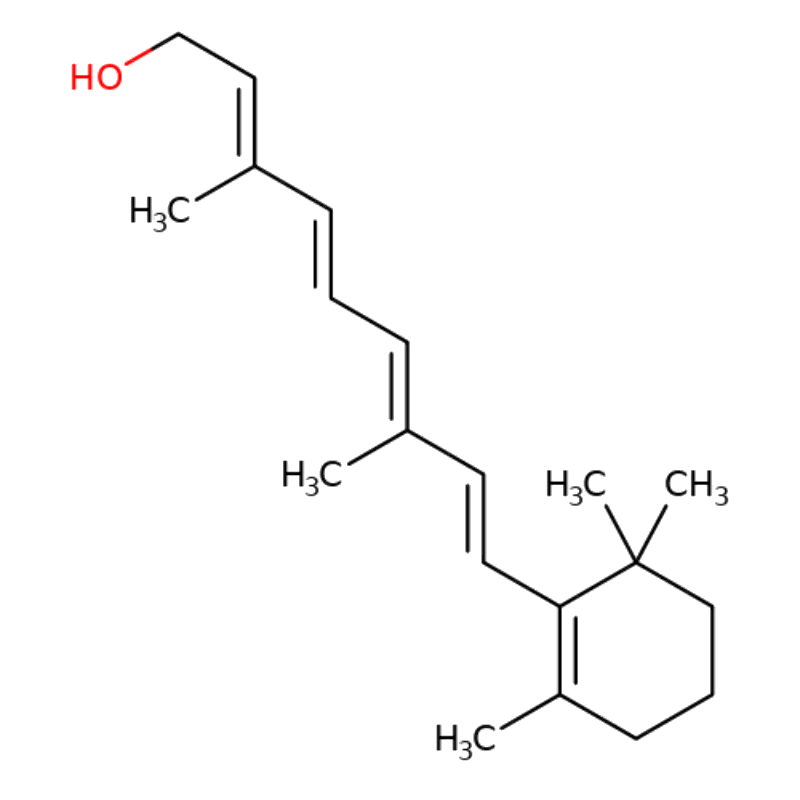
Titanium dioxide acts as a UV absorber, meaning it can absorb and scatter UV light, preventing it from reaching the product inside the packaging. This helps to extend the shelf life of the product and maintain its quality over time. For instance, in the cosmetic industry, products like Vitamin A and Ergosterol are often sensitive to UV light. By using packaging materials containing titanium dioxide, manufacturers can ensure that these products remain stable and effective for longer periods.
In addition to protecting the product, UV protection also helps to maintain the integrity of the packaging itself. Over time, exposure to UV light can cause plastics to become brittle and crack, and paper to yellow and weaken. By incorporating titanium dioxide into the packaging materials, manufacturers can reduce the effects of UV damage and ensure that the packaging remains functional and visually appealing throughout its lifespan.
3. Chemical Resistance
Titanium dioxide is also known for its excellent chemical resistance, which makes it a great choice for packaging materials that need to protect the product from various chemicals and environmental factors. In the pharmaceutical industry, for example, medications often need to be packaged in containers that can withstand exposure to moisture, oxygen, and other chemicals without degrading or reacting with the product.
Plastic containers made with titanium dioxide are highly resistant to chemical attack, making them ideal for storing pharmaceuticals. They can also provide a barrier against moisture, which helps to prevent the medication from becoming contaminated or losing its potency. Similarly, in the food industry, packaging materials need to be able to resist the effects of acids, oils, and other substances present in the food. Titanium dioxide can enhance the chemical resistance of paper and plastic packaging, ensuring that the food remains fresh and safe for consumption.
4. Antibacterial Properties
Recent research has shown that titanium dioxide may have antibacterial properties, which could be beneficial in packaging applications. In the food industry, for example, preventing the growth of bacteria and other microorganisms is crucial for ensuring the safety and quality of the product. By incorporating titanium dioxide into packaging materials, manufacturers may be able to reduce the risk of contamination and extend the shelf life of the food.
The antibacterial activity of titanium dioxide is thought to be due to its ability to generate reactive oxygen species (ROS) when exposed to light. These ROS can damage the cell membranes and DNA of bacteria, leading to their death. While more research is needed to fully understand the antibacterial mechanisms of titanium dioxide and its effectiveness in packaging applications, the potential benefits are certainly exciting.
5. Special Effects
Titanium dioxide can also be used to create special effects in packaging materials. For example, it can be used to produce pearlescent or iridescent effects, which can add a touch of luxury and sophistication to the packaging. These effects are achieved by controlling the particle size and distribution of the titanium dioxide in the material, as well as the way it interacts with light.
In the cosmetic industry, pearlescent and iridescent packaging is often used to enhance the perceived value of the product. Consumers are often drawn to products with unique and eye-catching packaging, and titanium dioxide can help manufacturers create packaging that stands out from the competition. Similarly, in the luxury goods market, packaging with special effects can add to the overall brand experience and make the product more desirable.
Let's Connect!
If you're in the market for high-quality titanium dioxide for your packaging applications, I'd love to hear from you. Whether you're a large-scale manufacturer or a small business looking to enhance your packaging, I can provide you with the right grade and quantity of titanium dioxide to meet your needs. Just reach out, and we can start a conversation about how titanium dioxide can take your packaging to the next level.
References
- Smith, J. (2020). Titanium Dioxide in Packaging: A Review. Journal of Packaging Science and Technology, 15(2), 45 - 56.
- Johnson, A. (2021). UV Protection in Packaging Materials: The Role of Titanium Dioxide. Packaging Research International, 22(3), 78 - 89.
- Brown, C. (2022). Antibacterial Properties of Titanium Dioxide in Food Packaging. Food Safety Journal, 30(1), 12 - 20.