

What are the sources of Vitamin A in a vegetarian diet?
Jan 21, 2026
Leave a message
A vegetarian diet is rich in nutrients, and ensuring an adequate intake of Vitamin A is crucial for maintaining good health. As a Vitamin A supplier, I understand the importance of providing high - quality Vitamin A products and also educating consumers about its sources in a vegetarian diet.
The Importance of Vitamin A
Vitamin A plays a vital role in various bodily functions. It is essential for maintaining good vision, especially in low - light conditions. It also supports the immune system, helping the body fight off infections and diseases. Additionally, Vitamin A is important for the health of the skin, promoting cell growth and repair. A deficiency in Vitamin A can lead to night blindness, dry skin, and a weakened immune system.

Types of Vitamin A
There are two main forms of Vitamin A: pre - formed Vitamin A (retinol) and provitamin A carotenoids. Pre - formed Vitamin A is found in animal products, while provitamin A carotenoids are found in plant - based foods. The body can convert provitamin A carotenoids, such as beta - carotene, into retinol, the active form of Vitamin A.
Sources of Vitamin A in a Vegetarian Diet
1. Orange and Yellow Vegetables
- Carrots: Carrots are one of the most well - known sources of beta - carotene. A single medium - sized carrot can provide more than 100% of the daily recommended intake of Vitamin A. Beta - carotene is a powerful antioxidant that not only contributes to Vitamin A levels but also helps protect cells from damage.
- Sweet Potatoes: Sweet potatoes are another excellent source of beta - carotene. They are not only rich in Vitamin A but also contain fiber, vitamins, and minerals. Baked or roasted sweet potatoes make a delicious and nutritious addition to any vegetarian meal.
- Pumpkin: Pumpkin is a seasonal vegetable that is packed with beta - carotene. Whether it's used in soups, pies, or roasted as a side dish, pumpkin can significantly boost your Vitamin A intake.
2. Green Leafy Vegetables
- Spinach: Spinach is a nutritional powerhouse. It contains a good amount of beta - carotene, lutein, and other antioxidants. Spinach can be eaten raw in salads, cooked in stir - fries, or added to smoothies.
- Kale: Kale is another leafy green that is high in Vitamin A. It is also rich in vitamins C and K, as well as fiber. Kale can be used in salads, sautéed, or made into kale chips for a healthy snack.
- Collard Greens: Collard greens are a traditional southern vegetable that is often overlooked. They are a great source of Vitamin A and other nutrients. Collard greens can be cooked with onions and garlic for a flavorful side dish.
3. Fruits
- Mangoes: Mangoes are not only delicious but also a good source of Vitamin A. They are rich in beta - carotene, which gives them their vibrant orange color. Mangoes can be eaten fresh, added to smoothies, or used in fruit salads.
- Apricots: Apricots are a good source of Vitamin A, especially when they are dried. Dried apricots are a convenient and portable snack that can help meet your daily Vitamin A needs.
- Cantaloupe: Cantaloupe is a refreshing fruit that is high in Vitamin A. It is also a good source of vitamin C and water, making it a great choice for staying hydrated during the summer months.
4. Herbs and Spices
- Cilantro: Cilantro is a common herb used in many cuisines. It contains a small amount of Vitamin A, as well as other antioxidants. Cilantro can be used to garnish dishes or added to salsas and salads for a fresh flavor.
- Turmeric: Turmeric is a spice that is known for its anti - inflammatory properties. It also contains a small amount of Vitamin A. Turmeric can be used in curries, soups, and even in smoothies for an added health boost.
Challenges in Obtaining Sufficient Vitamin A from a Vegetarian Diet
While there are many vegetarian sources of Vitamin A, there can be challenges in obtaining sufficient amounts. The conversion of provitamin A carotenoids to retinol is not always efficient, and factors such as age, health status, and diet composition can affect this conversion. For example, people with certain digestive disorders may have difficulty absorbing carotenoids.
The Role of a Vitamin A Supplier
As a Vitamin A supplier, I am committed to providing high - quality Vitamin A products to meet the needs of vegetarians. Our Vitamin A supplements are carefully formulated to ensure maximum bioavailability. We use advanced extraction and manufacturing processes to preserve the potency of the Vitamin A.
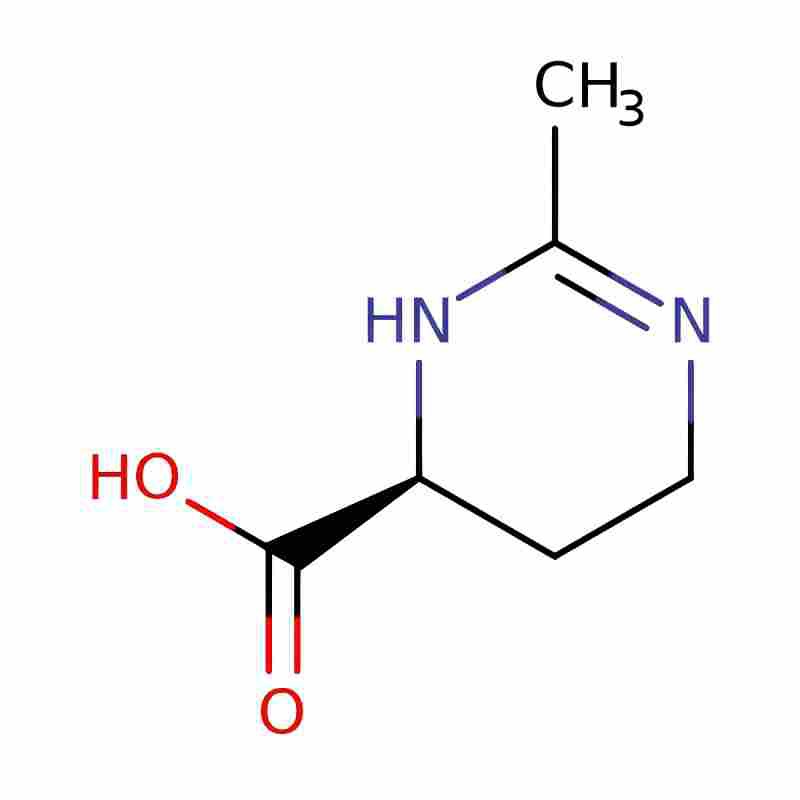
In addition to our standard Vitamin A supplements, we also offer products that combine Vitamin A with other nutrients such as Tris(hydroxymethyl)aminomethane and Ectoine. Tris(hydroxymethyl)aminomethane can help maintain the stability of the supplement, while Ectoine has been shown to have protective effects on cells.
Contact for Procurement
If you are interested in purchasing our Vitamin A products for personal use, in your business, or for any other purpose, we encourage you to reach out to us. Our team of experts is ready to assist you with any questions you may have regarding our products, including dosage, usage, and sourcing. We can also provide samples for you to test the quality of our Vitamin A supplements.
References
- Institute of Medicine (US) Panel on Dietary Antioxidants and Related Compounds. Dietary Reference Intakes for Vitamin C, Vitamin E, Selenium, and Carotenoids. Washington (DC): National Academies Press (US); 2000. Carotenoids. Available from: https://www.ncbi.nlm.nih.gov/books/NBK222358/
- World Health Organization. Vitamin A deficiency and its control. Geneva: World Health Organization; 2009.
- Harvard T.H. Chan School of Public Health. Vitamin A and Carotenoids. Available from: https://www.hsph.harvard.edu/nutritionsource/vitamin - a - and - carotenoids/