

What is the moisture absorption rate of Parylene N?
Oct 17, 2025
Leave a message
What is the moisture absorption rate of Parylene N?
As a supplier of Parylene N, I often receive inquiries about its various properties, and one question that comes up frequently is about its moisture absorption rate. Understanding the moisture absorption rate of Parylene N is crucial for many applications, as it can significantly impact the performance and durability of the coated products.
Understanding Parylene N
Parylene N, also known as poly - para - xylylene, is a unique polymer coating material. It is deposited through a chemical vapor deposition (CVD) process, which allows it to form a thin, conformal, and pinhole - free coating on a wide range of substrates. This coating offers excellent electrical insulation, chemical resistance, and biocompatibility, making it suitable for applications in electronics, medical devices, and aerospace industries.
Measuring the Moisture Absorption Rate
The moisture absorption rate of a material is typically measured by exposing it to a controlled humid environment for a specific period and then measuring the increase in its weight. For Parylene N, the moisture absorption rate is relatively low compared to many other polymers.
Several factors can affect the moisture absorption rate of Parylene N. The thickness of the coating is one of the key factors. Generally, thicker Parylene N coatings tend to have a slightly higher moisture absorption rate because there is more material available to absorb moisture. However, even with relatively thick coatings, the increase in moisture absorption is still minimal.
The environmental conditions also play a significant role. Higher humidity levels and longer exposure times will naturally lead to more moisture being absorbed by the Parylene N coating. Temperature can also influence the moisture absorption process. Higher temperatures can accelerate the diffusion of water molecules into the coating, increasing the moisture absorption rate.

Typical Moisture Absorption Rates
Under standard conditions (e.g., 23°C and 50% relative humidity), the moisture absorption rate of Parylene N is extremely low. It has been reported that the moisture absorption of Parylene N after 24 hours of exposure is less than 0.01% by weight. This low moisture absorption rate is one of the reasons why Parylene N is so popular in applications where moisture protection is critical.
For example, in the electronics industry, electronic components are often coated with Parylene N to protect them from moisture - induced corrosion and short - circuits. The low moisture absorption rate ensures that the electrical properties of the components remain stable over time, even in humid environments.
In the medical device industry, Parylene N coatings are used to protect implants and other medical devices from the body's physiological fluids. The low moisture absorption rate helps to maintain the integrity of the coating and the device, reducing the risk of device failure and improving patient safety.
Comparison with Other Parylene Types
When comparing Parylene N with other types of Parylene, such as Parylene C, there are some differences in moisture absorption rates. Parylene C has a slightly higher moisture absorption rate compared to Parylene N. The chlorine atoms in Parylene C can interact with water molecules to a certain extent, which increases its moisture - absorbing capacity. You can find more information about Parylene C Dimer.
Applications Benefiting from Low Moisture Absorption
Electronics
As mentioned earlier, electronics is one of the major industries that benefit from the low moisture absorption rate of Parylene N. Printed circuit boards (PCBs), sensors, and microelectromechanical systems (MEMS) are commonly coated with Parylene N. The coating protects these components from moisture, dust, and chemicals, extending their lifespan and improving their reliability.
Medical Devices
Medical devices, including pacemakers, catheters, and hearing aids, require reliable moisture protection. Parylene N coatings provide a biocompatible and moisture - resistant barrier that helps to prevent the ingress of bodily fluids, reducing the risk of infection and device malfunction.
Aerospace
In the aerospace industry, components are exposed to harsh environmental conditions, including high humidity and temperature variations. Parylene N coatings are used to protect electrical wiring, connectors, and other components from moisture and corrosion, ensuring the safe and reliable operation of aircraft and spacecraft.
How Our Parylene N Can Meet Your Needs
As a Parylene N supplier, we take pride in providing high - quality Parylene N products with consistent and low moisture absorption rates. Our manufacturing process is carefully controlled to ensure that each batch of Parylene N meets the strictest quality standards.
We can offer customized coating solutions based on your specific requirements. Whether you need a thin coating for a delicate electronic component or a thicker coating for enhanced protection, we can tailor our services to meet your needs.
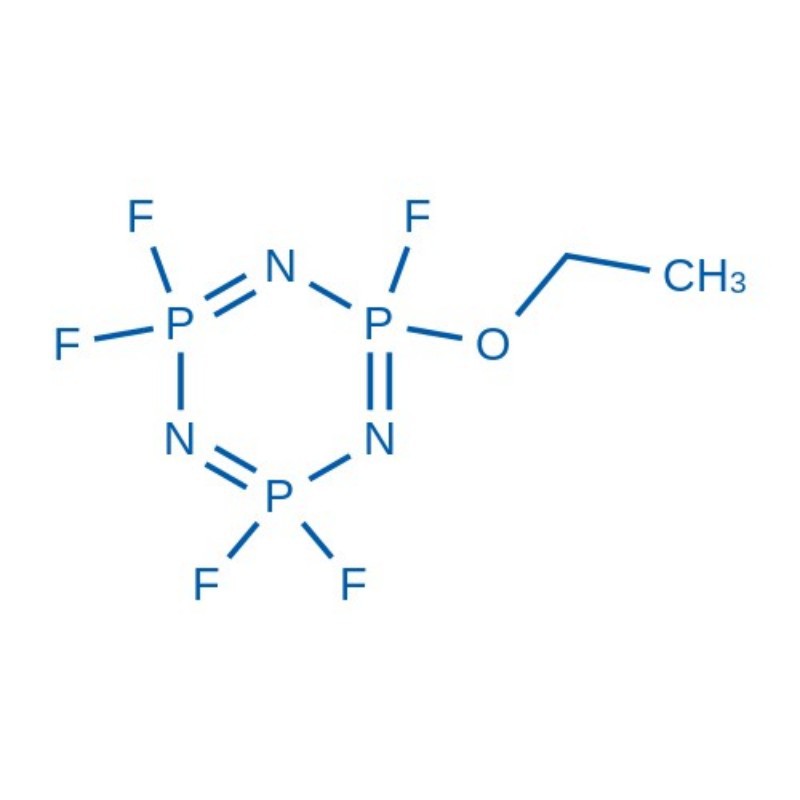
In addition to Parylene N, we also supply other related materials. For example, we offer Lithium Difluorophosphate, which is widely used in lithium - ion batteries, and Ethoxy(pentafluoro)cyclotriphosphazene, which has potential applications in the field of flame retardancy.
Contact Us for Purchase and Consultation
If you are interested in our Parylene N products or have any questions about its moisture absorption rate or other properties, we encourage you to contact us. We have a team of experts who can provide you with detailed technical information and help you choose the most suitable coating solution for your application. Whether you are in the electronics, medical, aerospace, or any other industry, our Parylene N coatings can offer the protection and performance you need. Start a conversation with us today to explore how our products can benefit your business.
References
- Brown, R. A. (2000). Parylene Coating Technology. Technomic Publishing.
- Smith, J. D. (2015). Moisture Absorption in Polymer Coatings. Journal of Polymer Science.
- ASTM D570 - 98(2018). Standard Test Method for Water Absorption of Plastics. ASTM International.