

Are there vegetarian sources of Astaxanthin?
Nov 24, 2025
Leave a message
Are there vegetarian sources of Astaxanthin?
As an astaxanthin supplier, I often get asked this question by health - conscious consumers, vegetarians, and vegans. Astaxanthin is a powerful antioxidant that has gained significant attention in recent years for its numerous health benefits, including anti - inflammatory, anti - aging, and immune - boosting properties. So, let's delve into the topic and explore whether there are vegetarian sources of this remarkable compound.
What is Astaxanthin?
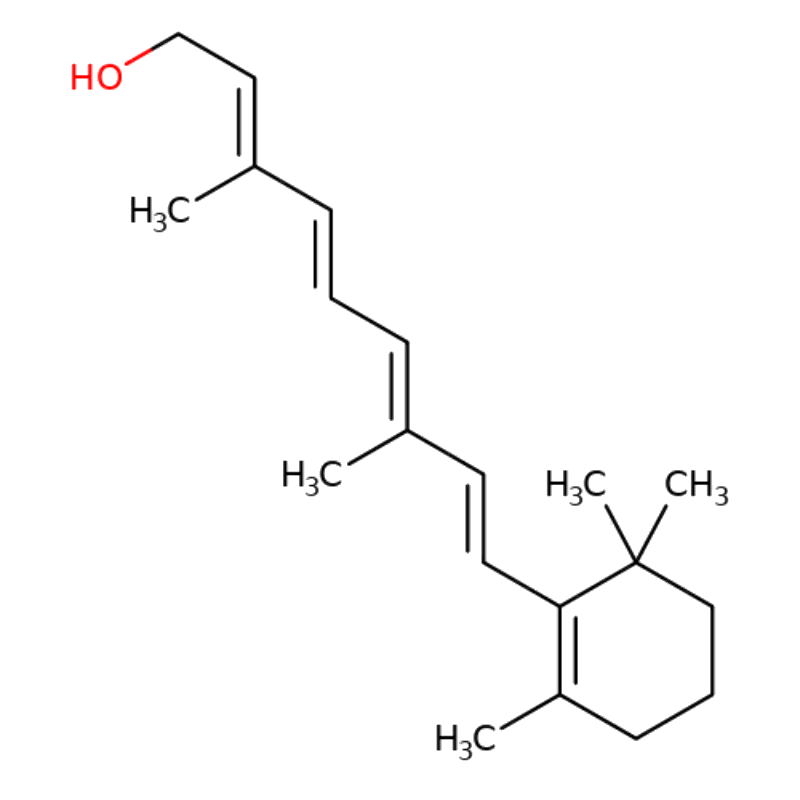
Astaxanthin belongs to a class of carotenoids, which are pigments responsible for the vibrant red, orange, and yellow colors in many fruits, vegetables, and marine organisms. Structurally, it has a unique chemical composition that gives it its exceptional antioxidant capacity. It can neutralize free radicals more effectively than many other antioxidants, such as Vitamin A, which is also a well - known carotenoid.
The most common sources of astaxanthin are marine animals like salmon, shrimp, and krill. These organisms accumulate astaxanthin by consuming algae that produce it. In the wild, the bright pink or red color of salmon flesh is due to the astaxanthin they obtain from their diet. However, for vegetarians and vegans, these animal - based sources are off - limits.
Vegetarian Sources of Astaxanthin
The primary vegetarian source of astaxanthin is microalgae. Among them, Haematococcus pluvialis is the most well - known and commercially important producer of astaxanthin. This single - celled green alga synthesizes astaxanthin as a protective mechanism when it is exposed to environmental stressors such as high light intensity, nutrient deficiency, or high salinity.
When conditions are favorable for growth, Haematococcus pluvialis exists in a motile, green form. But when faced with stress, it transforms into a non - motile, red cyst stage, during which it accumulates large amounts of astaxanthin. The astaxanthin content in Haematococcus pluvialis can reach up to 4% of its dry weight, making it an extremely rich source.
Cultivation of Haematococcus pluvialis for astaxanthin production is a carefully controlled process. First, the algae are grown under optimal conditions to promote rapid cell division and biomass accumulation. Then, stress conditions are introduced to trigger astaxanthin synthesis. Once the astaxanthin content reaches the desired level, the algae are harvested, and the astaxanthin is extracted.
Another potential vegetarian source is Phaffia rhodozyma, a yeast that can produce astaxanthin. However, the astaxanthin content in Phaffia rhodozyma is relatively low compared to Haematococcus pluvialis. Additionally, the astaxanthin produced by this yeast is mainly in the esterified form, which may have different bioavailability and biological activities compared to the free - form astaxanthin from Haematococcus pluvialis.
Benefits of Vegetarian Astaxanthin
Vegetarian astaxanthin from microalgae offers several advantages. Firstly, it is a sustainable and environmentally friendly option. Unlike the harvesting of wild - caught marine animals for astaxanthin, microalgae cultivation can be done in a controlled environment, reducing the impact on marine ecosystems.
Secondly, for vegetarians and vegans, microalgae - derived astaxanthin provides a way to incorporate this powerful antioxidant into their diets without compromising their ethical beliefs. It allows them to enjoy the same health benefits as those who consume animal - based sources of astaxanthin.
In terms of health benefits, vegetarian astaxanthin has been shown to have similar effects as its animal - derived counterpart. It can help protect the skin from UV - induced damage, reduce inflammation in the body, improve cardiovascular health, and enhance cognitive function. Some studies have also suggested that astaxanthin may have potential in preventing certain types of cancer.
Applications of Vegetarian Astaxanthin
The applications of vegetarian astaxanthin are diverse. In the nutraceutical industry, it is used in dietary supplements. These supplements are popular among consumers looking to boost their antioxidant intake, support joint health, or improve skin appearance. Astaxanthin supplements are available in various forms, such as capsules, softgels, and powders.
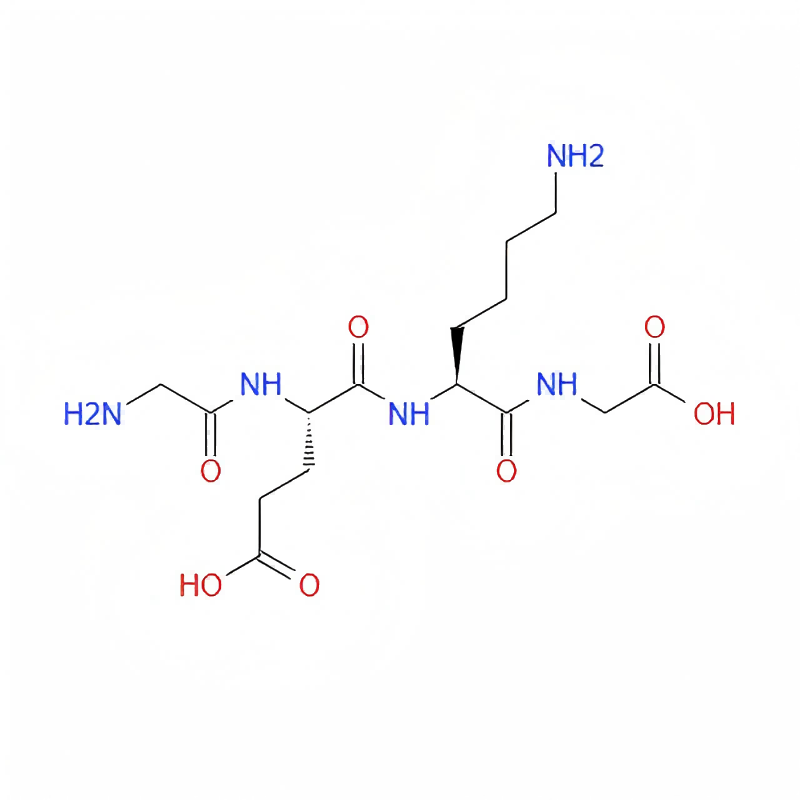
In the cosmetic industry, astaxanthin is used in anti - aging skincare products. Its antioxidant properties can help reduce the appearance of fine lines and wrinkles, improve skin elasticity, and protect the skin from oxidative stress. It is often combined with other beneficial ingredients like Tetrapeptide - 21 and Argireline to enhance the overall efficacy of the products.
In the food industry, vegetarian astaxanthin can be used as a natural colorant. It can impart a beautiful red or pink color to food products, making them more visually appealing. At the same time, it also adds the health benefits of astaxanthin to the food.
Quality and Purity of Vegetarian Astaxanthin
When it comes to sourcing vegetarian astaxanthin, quality and purity are of utmost importance. As an astaxanthin supplier, we ensure that our products are of the highest quality. We use advanced cultivation and extraction techniques to obtain astaxanthin from microalgae.
The cultivation process is closely monitored to ensure that the algae are grown in a clean and controlled environment, free from contaminants such as heavy metals, pesticides, and microorganisms. After extraction, the astaxanthin undergoes rigorous testing to ensure its purity and potency. We follow strict quality control standards to meet the requirements of our customers in different industries.
Conclusion
In conclusion, there are indeed vegetarian sources of astaxanthin, with microalgae, especially Haematococcus pluvialis, being the most prominent one. Vegetarian astaxanthin offers a sustainable, ethical, and effective way to obtain the health benefits of this powerful antioxidant. Whether you are a vegetarian, vegan, or simply looking for a high - quality astaxanthin product, our company is committed to providing you with the best - in - class astaxanthin solutions.
If you are interested in purchasing vegetarian astaxanthin for your nutraceutical, cosmetic, or food products, we would be more than happy to discuss your specific needs and requirements. Our team of experts can provide you with detailed information about our products, including specifications, pricing, and delivery options. Contact us today to start a fruitful business partnership.
References
- Guerin, M., Huntley, M. E., & Olaizola, M. (2003). Haematococcus astaxanthin: applications for human health and nutrition. Trends in biotechnology, 21(5), 210 - 216.
- Lorenz, R. T., & Cysewski, G. R. (2000). Commercial potential for Haematococcus microalgae as a natural source of astaxanthin. Trends in biotechnology, 18(10), 301 - 306.
- Miki, W. (1991). Antioxidant activities of astaxanthin and related carotenoids. Lipids, 26(12), 1005 - 1010.