

Can Astaxanthin support heart health?
Aug 20, 2025
Leave a message
Can Astaxanthin support heart health?
In recent years, there has been a growing interest in natural compounds that can contribute to heart health. Astaxanthin, a powerful antioxidant found in certain marine organisms, has emerged as a potential candidate in this field. As a supplier of high - quality astaxanthin, I am excited to explore the scientific evidence behind its potential benefits for the heart.
The Basics of Astaxanthin
Astaxanthin belongs to the carotenoid family, which includes well - known substances like Vitamin A. It is responsible for the pink or red color of many marine creatures such as salmon, shrimp, and crabs. This compound is unique in its chemical structure, which gives it exceptional antioxidant properties.
Antioxidants are substances that can neutralize free radicals, unstable molecules that can cause damage to cells and tissues in the body. Oxidative stress, caused by an imbalance between free radicals and antioxidants, is a major contributor to many chronic diseases, including heart disease. Astaxanthin's ability to quench free radicals is far superior to many other antioxidants. For example, it is reported to be up to 6,000 times more powerful than vitamin C, 800 times more effective than coenzyme Q10, and 550 times more potent than vitamin E in terms of antioxidant capacity.
Astaxanthin and Heart Health: The Scientific Evidence
Reduction of Oxidative Stress
Oxidative stress plays a crucial role in the development of heart disease. It can damage blood vessels, leading to inflammation and the formation of plaque. Astaxanthin's strong antioxidant activity helps to reduce oxidative stress in the cardiovascular system. A study published in the "Journal of Clinical Biochemistry and Nutrition" found that astaxanthin supplementation significantly decreased oxidative stress markers in patients with metabolic syndrome, a condition associated with an increased risk of heart disease.
Anti - Inflammatory Effects
Inflammation is another key factor in heart disease. Chronic inflammation can cause damage to the inner lining of blood vessels, promoting the development of atherosclerosis. Astaxanthin has been shown to have anti - inflammatory properties. It can inhibit the production of pro - inflammatory cytokines, which are signaling molecules that trigger the inflammatory response. Research in animal models has demonstrated that astaxanthin can reduce inflammation in the heart and blood vessels, potentially protecting against heart disease.
Improvement of Lipid Profile
Maintaining a healthy lipid profile is essential for heart health. High levels of low - density lipoprotein (LDL) cholesterol, often referred to as "bad" cholesterol, can lead to the formation of plaque in the arteries. On the other hand, high - density lipoprotein (HDL) cholesterol, or "good" cholesterol, helps to remove LDL cholesterol from the bloodstream. Some studies suggest that astaxanthin may have a positive impact on lipid metabolism. It may help to lower LDL cholesterol levels and increase HDL cholesterol levels. A randomized, double - blind, placebo - controlled trial showed that astaxanthin supplementation for 12 weeks led to a significant reduction in LDL cholesterol and an increase in HDL cholesterol in healthy subjects.
Protection of Endothelial Function
The endothelium is the thin layer of cells that lines the interior surface of blood vessels. It plays a vital role in regulating blood flow, blood pressure, and preventing blood clot formation. Impaired endothelial function is an early sign of cardiovascular disease. Astaxanthin has been shown to protect endothelial cells from oxidative stress and inflammation. It can improve endothelial function by increasing the production of nitric oxide, a molecule that helps to relax blood vessels and improve blood flow. A study in humans found that astaxanthin supplementation improved endothelial function in patients with coronary artery disease.
Comparing Astaxanthin with Other Cosmetic and Nutritional Compounds
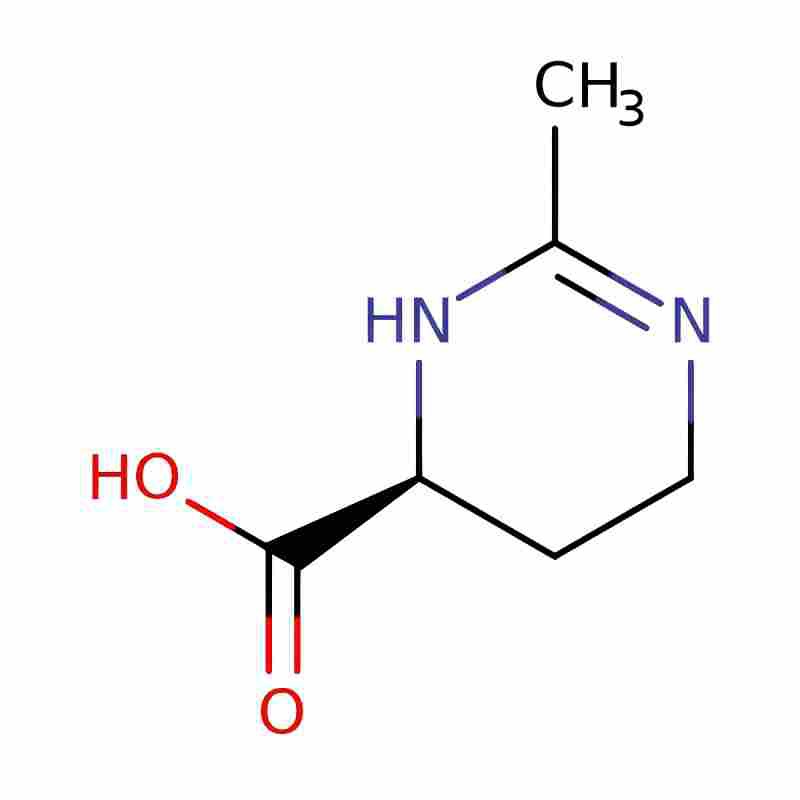
In the world of cosmetics and nutrition, there are many compounds that claim to have health benefits. For example, Pro-xylane is a well - known ingredient in skincare products, which is mainly used for its anti - aging effects on the skin. While pro - xylane focuses on skin health, astaxanthin's scope extends to heart health. Similarly, Ectoine is a natural compound with moisturizing and protective properties for the skin. Astaxanthin, however, offers a different set of benefits, especially in the cardiovascular system.
Our Astaxanthin Product
As a supplier, we are committed to providing the highest quality astaxanthin. Our astaxanthin is sourced from natural marine algae, ensuring its purity and bioavailability. We use advanced extraction and purification techniques to preserve the integrity of the compound. Our product has been tested in independent laboratories to meet strict quality standards.
We offer astaxanthin in various forms, including soft gels and powder, to meet the different needs of our customers. Whether you are a nutraceutical manufacturer looking to develop a new heart - health supplement or a consumer interested in improving your cardiovascular health, our astaxanthin product can be a great choice.
Conclusion
The scientific evidence suggests that astaxanthin has the potential to support heart health through its antioxidant, anti - inflammatory, lipid - modifying, and endothelial - protecting properties. As a supplier, we are excited about the potential of astaxanthin to make a positive impact on people's cardiovascular health.
If you are interested in learning more about our astaxanthin products or are looking to start a procurement discussion, please feel free to reach out. We are more than happy to provide you with detailed product information, samples, and pricing. Let's work together to promote heart health with the power of astaxanthin.

References
- Tanaka, T., et al. (2011). Effects of astaxanthin on oxidative stress and inflammation in subjects with metabolic syndrome. Journal of Clinical Biochemistry and Nutrition, 48(2), 138 - 143.
- Kurashige, M., et al. (1990). Antioxidant activities of astaxanthin and related carotenoids. Lipids, 25(11), 719 - 725.
- Ohgami, N., et al. (2010). Astaxanthin improves lipid and glucose metabolism in patients with type 2 diabetes mellitus. Nutrition Research, 30(7), 456 - 463.
- Rassam, S., et al. (2008). Astaxanthin, a carotenoid with potential in human health and nutrition. Marine Drugs, 6(2), 186 - 208.