

Can Parylene C Dimer be used in the food industry?
Jan 07, 2026
Leave a message
Hey there! As a supplier of Parylene C Dimer, I often get asked a bunch of questions about its applications. One question that pops up quite a bit is, "Can Parylene C Dimer be used in the food industry?" Well, let's dig into this topic and find out.
First off, let's talk a bit about what Parylene C Dimer is. Parylene C Dimer is a unique material. It's a white, crystalline powder that, when processed through a special deposition process, forms a thin, conformal coating. This coating has some really cool properties like excellent chemical resistance, moisture barrier protection, and biocompatibility. You can learn more about it on this page: Parylene C Dimer.
Now, when it comes to the food industry, there are some strict rules and regulations. The main concern is the safety of the food we eat. Any material that comes into contact with food needs to be non - toxic and not contaminate the food.
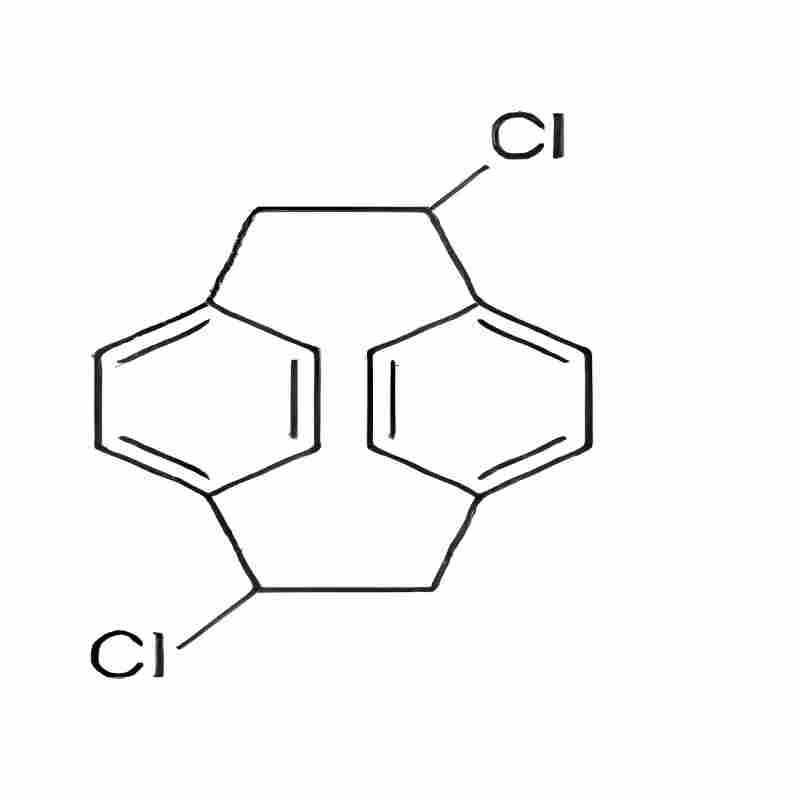

Let's start with the good news. Parylene C Dimer has a high level of chemical stability. Once it's deposited as a coating, it forms a very tight and uniform layer. This layer can act as a great barrier against moisture, oxygen, and other contaminants. In theory, this could be really useful in the food industry. For example, it could be used to coat food packaging materials. A Parylene C coating on a plastic or paper food container could prevent moisture from getting in, which would help keep the food fresh for longer. It could also prevent the container from reacting with the food and leaching harmful substances into it.
However, there are also some challenges. The first big hurdle is regulatory approval. In most countries, there are specific agencies that regulate food contact materials. For example, in the United States, the Food and Drug Administration (FDA) has a set of guidelines for what materials can be used in contact with food. As of now, Parylene C Dimer doesn't have a clear - cut approval for direct food contact. The reason is that more research is needed to fully understand its long - term effects on food safety.
Another aspect to consider is the cost. The process of depositing a Parylene C coating is not cheap. It requires specialized equipment and a controlled environment. For food manufacturers, who are always looking to keep costs down, this could be a major deterrent. If the cost of using Parylene C Dimer in food packaging is too high, it might not be a viable option, even if it has some potential benefits.
But it's not all doom and gloom. There are some indirect applications where Parylene C Dimer could potentially be used in the food industry. For example, it could be used to coat the equipment used in food processing. Machines that mix, bake, or package food could benefit from a Parylene C coating. This coating could protect the equipment from corrosion and wear, which would not only extend the life of the equipment but also prevent any metal or other contaminants from getting into the food.
Let's compare Parylene C Dimer with some other materials in the market. There are other coatings and materials that are already approved for food contact. For instance, some types of polyethylene and polypropylene are commonly used in food packaging. These materials are relatively inexpensive and have been well - studied for food safety. But they may not have the same level of chemical resistance as Parylene C.
On the other hand, we also have some new and emerging materials in the market. Take Lithium Difluoro(oxalato)borate for example. It's a material that's mainly used in the battery industry, but the concept of finding new applications for materials is similar. Just like Parylene C Dimer, it's also being explored for different uses, and its potential in the food industry is yet to be determined.
Another material is Hexafluorocyclotriphosphazene. It has some interesting chemical properties and is being studied in various fields. While it's not directly related to the food industry at the moment, it shows that the search for better materials is an ongoing process.
So, can Parylene C Dimer be used in the food industry? The answer is maybe. It has some promising properties that could be beneficial, but it still has a long way to go in terms of regulatory approval and cost - effectiveness.
If you're in the food industry and are interested in exploring the potential of Parylene C Dimer, we're here to help. We're a supplier with a lot of experience in working with this material. We can provide you with samples for testing and offer technical support to see if it could be a good fit for your needs. Whether it's for coating food packaging or food processing equipment, we can have in - depth discussions with you to understand your requirements and find the best solutions.
In conclusion, the future of Parylene C Dimer in the food industry is still uncertain, but there's definitely room for exploration. If you have any questions or want to start a conversation about potential applications, don't hesitate to reach out. Let's work together to see if Parylene C Dimer can make its mark in the food industry.
References:
- Food and Drug Administration (FDA) guidelines on food contact materials.
- Scientific research papers on the chemical properties of Parylene C Dimer.