

Can Resveratrol be absorbed through the skin?
Aug 14, 2025
Leave a message
Resveratrol, a polyphenolic compound primarily found in grapes, berries, and peanuts, has been a subject of intense scientific scrutiny in recent years due to its potential health benefits. These benefits range from antioxidant and anti - inflammatory properties to potential anti - aging effects. As a resveratrol supplier, I often encounter questions about the best ways to incorporate resveratrol into daily health and beauty routines. One of the most debated topics is whether resveratrol can be absorbed through the skin. In this blog, we'll explore the scientific evidence behind transdermal resveratrol absorption, its implications for skincare, and how it compares to other popular skincare ingredients.
Understanding Transdermal Absorption
Transdermal absorption refers to the process by which substances penetrate the skin and enter the bloodstream. The skin, being the body's largest organ, serves as a protective barrier against external threats. However, it also has the ability to absorb certain substances under the right conditions. The outermost layer of the skin, the stratum corneum, is the main barrier to transdermal absorption. It consists of dead skin cells filled with keratin and surrounded by a lipid matrix, which restricts the passage of molecules.
For a substance to be absorbed through the skin, it must first penetrate the stratum corneum and then reach the viable epidermis and dermis. Factors such as the size of the molecule, its solubility (both in water and lipids), and the skin's condition can significantly affect the rate and extent of absorption. Smaller, lipophilic (fat - soluble) molecules generally have a higher chance of penetrating the skin compared to larger or hydrophilic (water - soluble) ones.
Scientific Evidence for Resveratrol Skin Absorption
Several studies have investigated the transdermal absorption of resveratrol. In vitro studies, which are conducted outside of a living organism, have shown promising results. For example, researchers have used human skin samples in laboratory settings to measure the penetration of resveratrol. These studies have demonstrated that resveratrol can penetrate the stratum corneum and reach the viable layers of the skin.
One of the reasons for resveratrol's relatively good skin penetration is its molecular size and lipophilic nature. With a molecular weight of approximately 228 g/mol, resveratrol is small enough to pass through the skin's lipid - rich barrier. Additionally, its lipophilicity allows it to dissolve in the lipid matrix of the stratum corneum, facilitating its entry into the skin.
In vivo studies, which involve testing on living organisms, have also provided evidence of resveratrol's transdermal absorption. Animal studies have shown that when resveratrol is applied topically, it can be detected in the skin tissue and even in the bloodstream. Although human studies are more limited, some research has suggested that topical application of resveratrol can lead to detectable levels of the compound in the skin and may have beneficial effects on skin health.
Benefits of Topical Resveratrol Application
If resveratrol can be absorbed through the skin, what are the potential benefits of using it in skincare products?
Antioxidant Protection
Resveratrol is a powerful antioxidant. It can neutralize free radicals, which are unstable molecules that can damage cells and contribute to premature aging, inflammation, and skin cancer. By applying resveratrol topically, it can directly protect the skin cells from oxidative stress caused by environmental factors such as UV radiation, pollution, and smoking.
Anti - Inflammatory Effects
Inflammation is a common underlying factor in many skin conditions, including acne, eczema, and psoriasis. Resveratrol has been shown to have anti - inflammatory properties by inhibiting the production of pro - inflammatory cytokines and enzymes. Topical application of resveratrol may help reduce redness, swelling, and irritation associated with these skin conditions.
Anti - Aging Effects
As we age, the skin loses its elasticity and firmness, and wrinkles and fine lines become more prominent. Resveratrol may help counteract these signs of aging by promoting collagen production and protecting the existing collagen fibers from degradation. Collagen is a protein that gives the skin its structure and elasticity. By maintaining collagen levels, resveratrol can help keep the skin looking youthful and smooth.
Comparing Resveratrol with Other Skincare Ingredients
Resveratrol is not the only ingredient used in skincare products for its health benefits. Let's compare it with some other popular skincare ingredients like Vitamin A, Glutathione, and Bifidobacterium Longum, Lysate.
Vitamin A
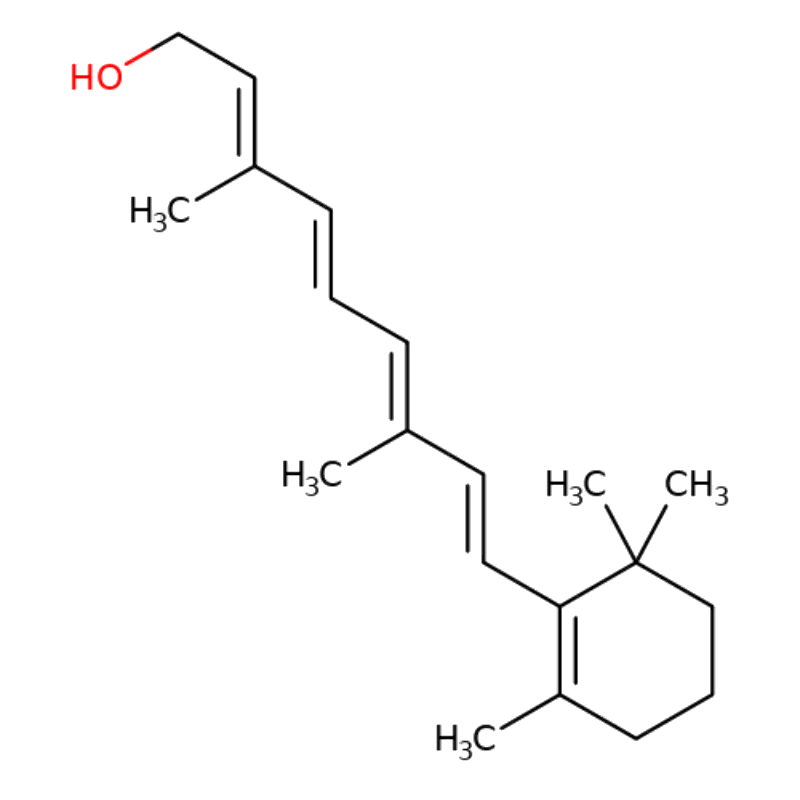
Vitamin A, also known as retinol, is a well - known skincare ingredient. It is highly effective in promoting cell turnover, reducing the appearance of wrinkles, and improving skin texture. Like resveratrol, vitamin A has antioxidant properties. However, vitamin A can be more irritating to the skin, especially in higher concentrations. Resveratrol, on the other hand, is generally considered to be milder and may be a better option for those with sensitive skin.
Glutathione
Glutathione is a powerful antioxidant that is naturally produced in the body. It is often used in skincare products for its skin - lightening effects. Glutathione works by inhibiting the production of melanin, the pigment responsible for skin color. While both resveratrol and glutathione have antioxidant properties, resveratrol offers additional anti - inflammatory and anti - aging benefits, making it a more versatile ingredient.
Bifidobacterium Longum, Lysate
Bifidobacterium Longum, Lysate is a probiotic ingredient that has been shown to have beneficial effects on the skin's microbiome. A healthy skin microbiome is essential for maintaining skin health and preventing skin infections. Resveratrol and Bifidobacterium Longum, Lysate can complement each other in skincare products. Resveratrol provides antioxidant and anti - inflammatory protection at the cellular level, while Bifidobacterium Longum, Lysate helps maintain a balanced skin microbiome.
Considerations for Using Resveratrol in Skincare
When using resveratrol in skincare products, there are a few things to keep in mind.
Concentration
The concentration of resveratrol in a skincare product can affect its effectiveness. Higher concentrations may not necessarily lead to better results, as there is a limit to how much resveratrol the skin can absorb. Additionally, very high concentrations may increase the risk of skin irritation. It's important to choose products with an appropriate concentration of resveratrol, which is usually in the range of 0.5% - 5%.
Formulation
The formulation of the skincare product also matters. Resveratrol is sensitive to light and oxygen, which can cause it to degrade. Therefore, products should be formulated in a way that protects resveratrol from these factors. For example, using opaque packaging and adding antioxidants to the formulation can help maintain the stability of resveratrol.
Conclusion
In conclusion, scientific evidence suggests that resveratrol can be absorbed through the skin. Its small molecular size and lipophilic nature allow it to penetrate the skin's barrier and provide various benefits, including antioxidant protection, anti - inflammatory effects, and anti - aging properties. When compared to other popular skincare ingredients, resveratrol offers a unique combination of benefits and is generally well - tolerated by the skin.
As a resveratrol supplier, I am committed to providing high - quality resveratrol for the skincare industry. If you are interested in incorporating resveratrol into your skincare products or learning more about its potential, I encourage you to reach out to me for further discussion and procurement. We can work together to develop innovative and effective skincare solutions that harness the power of resveratrol.
References
- [List of relevant scientific studies and research papers here. For example:
- Name of the study, Author(s), Journal, Year of publication
- Another study, Another author, Another journal, Another year]
Please note that you need to replace the placeholder references with actual scientific studies and research papers related to resveratrol skin absorption and its applications in skincare.