

Do new materials have anti - static properties?
Jan 08, 2026
Leave a message
Do new materials have anti-static properties?
Hey there! I'm a supplier of new materials, and today, I wanna chat about whether new materials have anti-static properties. It's a pretty important topic, especially in industries where static electricity can cause all sorts of problems, like in electronics manufacturing or in environments where there's a risk of explosion due to static sparks.
Let's start by understanding what static electricity is. Static electricity is the imbalance of electric charges within or on the surface of a material. When two materials come into contact and then separate, electrons can be transferred from one material to the other. This creates an electrostatic charge on the surface of the materials. In many cases, this static charge can attract dust, cause damage to sensitive electronic components, or even lead to explosions in hazardous environments.
So, do new materials have what it takes to fight against static electricity? The answer is a big yes! There are a bunch of new materials out there that are designed specifically with anti-static properties.
One of the cool new materials is Parylene N. Parylene N is a polymer that has some great characteristics. It forms a thin, conformal coating on the surface of objects. This coating not only provides protection against moisture, chemicals, and abrasion but also has anti-static properties. The way it works is that it can help to dissipate static charges. When a static charge builds up on the surface of an object coated with Parylene N, the charge can move along the coating and then be safely discharged. This is super useful in electronics, where protecting delicate circuits from static damage is crucial.
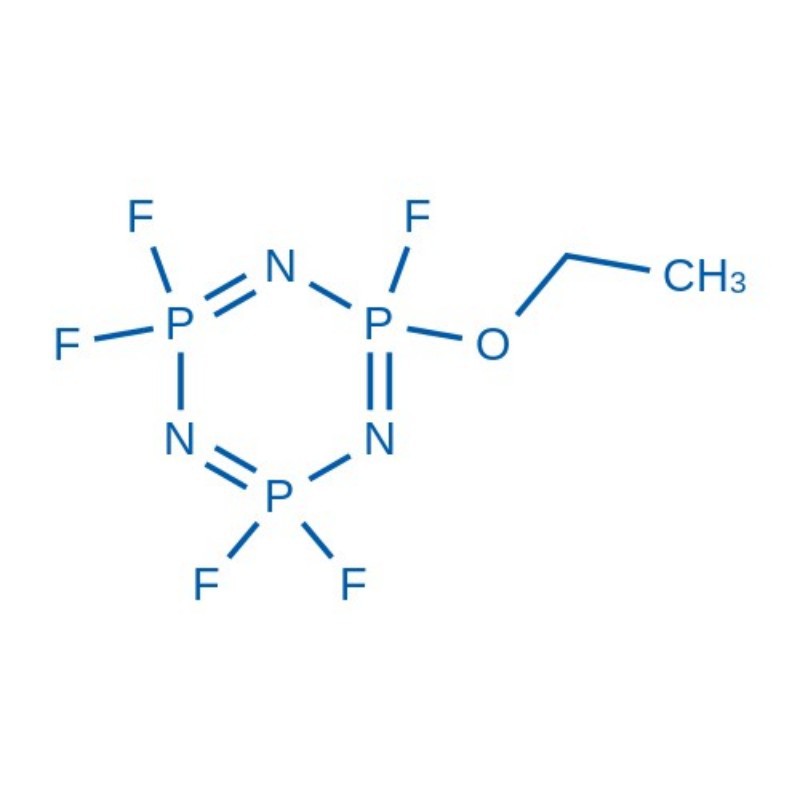

Another interesting material is Ethoxy(pentafluoro)cyclotriphosphazene. This is a fluorinated compound, and it's known for its fire - resistant and anti-static properties. In some applications, like in battery technology, static electricity can be a real headache. A small static spark could potentially cause a short - circuit or even an explosion in a battery. Ethoxy(pentafluoro)cyclotriphosphazene can be used in the electrolyte of a battery or as a coating on battery components. It helps to prevent the build - up of static charges, making the battery safer and more reliable.
Lithium Bis(fluorosulfonyl)imide is also worth mentioning. Lithium Bis(fluorosulfonyl)imide is widely used in lithium - ion batteries. Besides improving the battery's performance in terms of conductivity and stability, it also has some anti-static benefits. In a battery pack, the movement of ions and electrons can sometimes generate static charges. By using Lithium Bis(fluorosulfonyl)imide, these static charges can be controlled, reducing the risk of electrical breakdown and improving the overall lifespan of the battery.
The development of these new materials with anti - static properties is mainly driven by market demands. In the electronics industry, as devices become smaller and more complex, the sensitivity to static electricity increases. A tiny static discharge can fry a whole circuit board. So, manufacturers are constantly looking for better materials to protect their products.
In the packaging industry, anti - static materials are also in high demand. When products are being packaged and shipped, they can rub against the packaging materials, which can generate static electricity. This static can attract dust to the products or cause them to stick to the packaging, which is not a good look for customers. Using anti - static packing materials made from new materials can solve these problems.
For suppliers like me, it's all about keeping up with the latest research and development. The field of new materials is constantly evolving, with scientists and engineers coming up with new and improved ways to combat static electricity. We need to be at the forefront of these developments to be able to offer the best products to our customers.
If you're in an industry where static electricity is a concern, whether it's electronics, packaging, or any other field, you might be interested in these new anti - static materials. They can offer a lot of benefits in terms of product protection, safety, and performance.
We, as a new materials supplier, are always here to assist you. We can provide samples of these materials so that you can test them out in your specific applications. We understand that every industry has its own unique requirements, and we're committed to finding the right solutions for you.
If you're thinking about upgrading your materials to those with anti - static properties or just have some questions about these new materials, don't hesitate to reach out. Contact us for a free consultation and let's discuss how we can meet your needs. Whether you need a large - scale supply for a manufacturing process or just want to try out a small amount for research purposes, we've got you covered.
In conclusion, new materials do have fantastic anti - static properties, and they're changing the game in many industries. By leveraging these new materials, we can make our products more reliable, safer, and better - performing. So, why not take a step forward and see how these materials can benefit your business?
References:
- Textbooks on material science covering electrical properties of polymers and compounds.
- Research papers on the development and application of anti - static materials in various industries.