

Does Glutathione help with improving skin elasticity?
Sep 08, 2025
Leave a message
Does Glutathione Help with Improving Skin Elasticity?
In the ever - evolving world of skincare, consumers are constantly on the hunt for that magic ingredient that can turn back the clock on their skin. One such ingredient that has been making waves in recent years is glutathione. As a supplier of high - quality glutathione products, I've seen a growing interest in its potential benefits for skin health, especially in relation to improving skin elasticity. In this blog, we'll delve into the science behind glutathione and explore whether it truly lives up to the hype when it comes to enhancing skin elasticity.
Understanding Skin Elasticity
Before we discuss the role of glutathione, it's important to understand what skin elasticity is. Skin elasticity refers to the ability of the skin to stretch and then return to its original shape. This property is primarily due to two proteins in the skin: collagen and elastin. Collagen provides structure and firmness to the skin, while elastin allows the skin to stretch and recoil. As we age, the production of these proteins decreases, leading to a loss of skin elasticity. Other factors such as sun exposure, smoking, and pollution can also accelerate this process, resulting in sagging skin, fine lines, and wrinkles.
What is Glutathione?
Glutathione is a powerful antioxidant that is naturally produced in our bodies. It is composed of three amino acids: cysteine, glycine, and glutamic acid. Its main function is to protect cells from damage caused by free radicals, which are unstable molecules that can cause oxidative stress. Oxidative stress has been linked to a variety of health problems, including aging, cancer, and heart disease.
In the context of skincare, glutathione has gained popularity not only for its antioxidant properties but also for its potential to lighten the skin. It works by inhibiting the production of melanin, the pigment responsible for skin color. However, our focus here is on its potential impact on skin elasticity.

The Science Behind Glutathione and Skin Elasticity
There is a growing body of research that suggests glutathione may play a role in improving skin elasticity. One of the ways it does this is by reducing oxidative stress. Free radicals can damage collagen and elastin fibers in the skin, leading to a loss of elasticity. By neutralizing these free radicals, glutathione helps to protect these important proteins and maintain the skin's structure.
Another way glutathione may contribute to skin elasticity is through its role in promoting collagen synthesis. Collagen production naturally declines with age, but studies have shown that antioxidants like glutathione can stimulate the production of new collagen. This can help to improve the skin's firmness and reduce the appearance of fine lines and wrinkles.
In addition, glutathione has anti - inflammatory properties. Chronic inflammation in the skin can also damage collagen and elastin, leading to a loss of elasticity. By reducing inflammation, glutathione can help to protect these proteins and preserve the skin's elasticity.
Comparing Glutathione with Other Skin - Elasticity - Boosting Ingredients
While glutathione shows promise for improving skin elasticity, it's not the only ingredient in the skincare world with such benefits. Let's take a look at how it compares with some other well - known ingredients.
- Fullerene C60: Fullerene C60 is another powerful antioxidant that has been shown to have anti - aging effects on the skin. It can scavenge free radicals more effectively than many other antioxidants, including glutathione in some cases. You can learn more about Fullerene C60 here.
- Pro - xylane: Pro - xylane is a sugar - based molecule that helps to hydrate the skin and stimulate the production of glycosaminoglycans, which are important for maintaining skin elasticity. It also has a moisturizing effect that can make the skin look smoother and more supple. To find out more about Pro - xylane, visit this page.
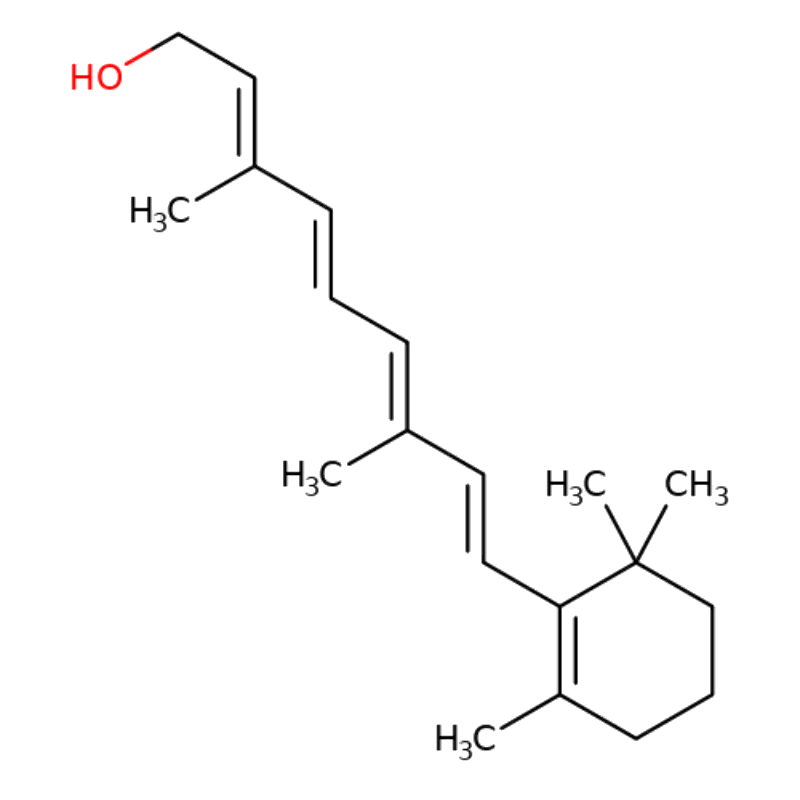
- Vitamin A: Vitamin A, also known as retinol, is a well - established ingredient in anti - aging skincare. It can increase collagen production, reduce the appearance of fine lines and wrinkles, and improve skin texture. For more information on Vitamin A, click here.
Each of these ingredients has its own unique mechanism of action, and in some cases, using them in combination with glutathione may provide even better results for improving skin elasticity.
How to Incorporate Glutathione into Your Skincare Routine
There are several ways to incorporate glutathione into your skincare routine. One option is to use topical products such as creams, serums, or lotions that contain glutathione. These products are applied directly to the skin and can deliver the antioxidant directly to the target area.
Another option is oral supplementation. Taking glutathione supplements can increase the levels of this antioxidant in your body, which can have a systemic effect on your skin health. However, it's important to note that the effectiveness of oral supplements may vary depending on factors such as absorption and metabolism.
When choosing a glutathione product, it's important to look for high - quality products from reputable suppliers. As a supplier, we ensure that our glutathione products are pure, potent, and safe for use.
Real - Life Experiences and Testimonials
Many people who have incorporated glutathione into their skincare routines have reported positive results. Some users have noticed an improvement in the firmness and elasticity of their skin, while others have seen a reduction in the appearance of fine lines and wrinkles.
However, it's important to remember that individual results may vary. Factors such as age, skin type, and lifestyle can all affect how your skin responds to glutathione. It's also important to be patient, as it may take several weeks or even months to see significant results.
Conclusion
In conclusion, while more research is needed to fully understand the extent of glutathione's impact on skin elasticity, the current evidence suggests that it can play a beneficial role. Its antioxidant, anti - inflammatory, and collagen - stimulating properties make it a promising ingredient for improving skin health.
If you're interested in trying glutathione products to enhance your skin elasticity, I encourage you to reach out. As a supplier, we can provide you with high - quality glutathione products that are backed by science. Whether you're a skincare brand looking to incorporate glutathione into your product line or an individual consumer interested in improving your skin, we're here to help. Contact us to start a discussion about your specific needs and how our glutathione products can benefit you.
References
- Berridge, M. V., Tan, K. S., & Tan, C. H. (2000). Measurement of glutathione and glutathione disulfide in biological samples. Methods in Enzymology, 324, 18–39.
- Choi, Y. J., & Kim, J. S. (2012). The role of skin antioxidants in preventing skin damage and aging. Skinmed, 10(6), 326–333.
- Sharman, W. R., & Hille, R. (2013). Oxidative stress and aging: A review. Free Radical Biology and Medicine, 62, 16–26.