

How does curcumin interact with the endocannabinoid system?
Oct 28, 2025
Leave a message
Hey there! As a curcumin supplier, I've been super into the science behind this amazing compound. One of the most fascinating areas I've delved into is how curcumin interacts with the endocannabinoid system (ECS). So, let's dive right in and explore this cool topic together.

First off, what's the endocannabinoid system? Well, it's a complex cell - signaling system in our bodies that plays a crucial role in maintaining overall health and homeostasis. The ECS is made up of endocannabinoids (naturally - occurring cannabinoids in our bodies), receptors (CB1 and CB2), and enzymes that break down these endocannabinoids. CB1 receptors are mainly found in the central nervous system, while CB2 receptors are more prevalent in the immune system and peripheral tissues.
Now, curcumin is a polyphenol found in turmeric, a spice that's been used in traditional medicine for ages. It's known for its anti - inflammatory, antioxidant, and neuroprotective properties. But how does it fit in with the ECS?
One way curcumin interacts with the ECS is by modulating the activity of the endocannabinoid receptors. Some studies suggest that curcumin can act as a weak agonist of the CB2 receptors. When it binds to these receptors, it can trigger a series of cellular responses. For example, activation of CB2 receptors is associated with reducing inflammation. Since curcumin can bind to these receptors, it might help in dampening the inflammatory response in the body. This is huge, especially for conditions like arthritis, where inflammation is a major problem.
Another aspect is curcumin's effect on the enzymes that break down endocannabinoids. The two main enzymes involved in endocannabinoid metabolism are fatty acid amide hydrolase (FAAH) and monoacylglycerol lipase (MAGL). FAAH breaks down anandamide, an important endocannabinoid, while MAGL breaks down 2 - arachidonoylglycerol (2 - AG). Some research indicates that curcumin can inhibit the activity of FAAH. By doing so, it can increase the levels of anandamide in the body. Higher levels of anandamide can lead to enhanced activation of the endocannabinoid receptors, which in turn can have beneficial effects on mood, pain perception, and appetite.
The interaction between curcumin and the ECS also has implications for mental health. The ECS is involved in regulating mood, anxiety, and stress responses. Curcumin's ability to modulate the ECS might contribute to its antidepressant and anxiolytic effects. For instance, by increasing anandamide levels through FAAH inhibition, curcumin can potentially improve mood and reduce anxiety. This is really exciting, considering the high prevalence of mental health issues in today's society.
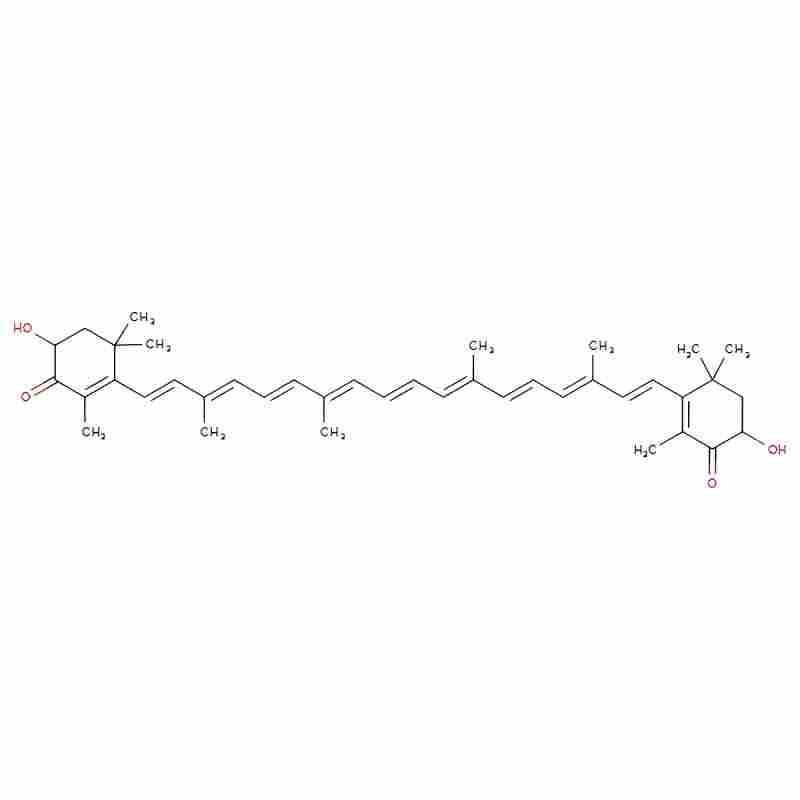
In addition to its direct effects on the ECS, curcumin can also work in synergy with other compounds. For example, Astaxanthin is another powerful antioxidant. When used together with curcumin, they might have a combined effect on the ECS and overall health. Astaxanthin has its own anti - inflammatory and antioxidant properties, and when paired with curcumin, they could potentially enhance each other's benefits in modulating the ECS and reducing inflammation.
Gly - His - Lys Acetate is also an interesting compound. It has been shown to have various biological activities, including promoting collagen synthesis. When combined with curcumin, it might contribute to a more comprehensive approach to health, as the ECS is involved in many physiological processes that could be influenced by the actions of Gly - His - Lys Acetate and curcumin together.
Ectoine is yet another compound that could potentially work in tandem with curcumin. Ectoine has protective properties for cells, especially under stress conditions. When used alongside curcumin, it might help in maintaining the integrity of cells in the context of the ECS, as the ECS is also involved in cell protection and stress adaptation.
Now, let's talk about the practical applications of this knowledge. For those in the health and wellness industry, understanding how curcumin interacts with the ECS can open up new possibilities for product development. Supplements that combine curcumin with other ECS - modulating compounds could be created to target specific health issues like inflammation, pain, and mood disorders.
As a curcumin supplier, I'm really excited about the potential of curcumin in the ECS space. The more we learn about these interactions, the better we can formulate products that offer real health benefits. If you're in the business of creating health supplements, cosmetics, or any other products related to health and wellness, curcumin could be a great addition to your portfolio.
If you're interested in sourcing high - quality curcumin for your products, I'd love to have a chat with you. Whether you're a small - scale startup or a large - scale manufacturer, I can provide you with the curcumin you need. Just reach out, and we can discuss your requirements and how curcumin can fit into your product line.
References
- Russo EB. Cannabinoids and the endocannabinoid system in normal and diseased brain. Behav Pharmacol. 2008;19(7 - 8):523 - 533.
- Gertsch J, Leonti M, Raduner S, et al. Curcumin is a potent cannabinoid type 2 receptor agonist. Br J Pharmacol. 2008;153(2):274 - 283.
- Bisogno T, De Petrocellis L, Di Marzo V. Fatty acid amide hydrolase: a target for the development of new drugs. Curr Pharm Des. 2006;12(14):1729 - 1740.