

What are the requirements for using Parylene C Dimer in medical applications?
Oct 29, 2025
Leave a message
Parylene C Dimer has emerged as a highly sought - after material in medical applications due to its unique properties. As a reliable supplier of Parylene C Dimer, I am well - versed in the requirements for its use in the medical field. In this blog, I will delve into the key aspects that need to be considered when using Parylene C Dimer in medical applications.
1. Purity Requirements
The purity of Parylene C Dimer is of utmost importance in medical applications. Medical devices often come into direct contact with the human body, either externally or internally. Impurities in the Parylene C Dimer can potentially cause adverse reactions, such as inflammation or allergic responses.
To ensure high - quality medical coatings, the Parylene C Dimer should have a purity level of at least 99%. This high - purity standard minimizes the risk of introducing foreign substances into the body. During the manufacturing process, strict quality control measures are employed to remove any contaminants. For example, distillation and filtration techniques are used to purify the Parylene C Dimer to the required level.
2. Biocompatibility
Biocompatibility is a fundamental requirement for any material used in medical applications. Parylene C Dimer must be able to interact with biological systems without causing harm. It should not trigger an immune response or have any toxic effects on cells, tissues, or organs.
Numerous in - vitro and in - vivo studies have been conducted to evaluate the biocompatibility of Parylene C. These studies have shown that Parylene C coatings are generally well - tolerated by the human body. The smooth and inert surface of Parylene C coatings reduces the adhesion of proteins and cells, which helps to prevent blood clotting and inflammation when used in applications such as cardiovascular devices.
3. Sterilization Compatibility
Medical devices need to be sterilized before use to prevent infections. Parylene C Dimer coatings must be able to withstand the sterilization processes without significant degradation. Common sterilization methods include autoclaving, gamma irradiation, and ethylene oxide sterilization.
Parylene C has good resistance to these sterilization methods. For example, it can tolerate gamma irradiation up to a certain dose without losing its mechanical and chemical properties. However, excessive exposure to high - energy radiation may cause some changes in the coating, so the sterilization parameters need to be carefully optimized.
4. Mechanical Properties
The mechanical properties of Parylene C Dimer coatings are crucial for their performance in medical applications. The coating should have sufficient flexibility to conform to the shape of the medical device without cracking or delaminating. At the same time, it should also have good abrasion resistance to withstand the mechanical stresses during use.
The thickness of the Parylene C coating can affect its mechanical properties. A thicker coating may provide better protection but may also reduce the flexibility of the device. Therefore, the coating thickness needs to be carefully selected based on the specific application requirements. For example, in the case of catheters, a thinner and more flexible Parylene C coating may be preferred to ensure easy insertion and maneuverability.
5. Chemical Resistance
Medical devices may come into contact with various chemicals, such as drugs, bodily fluids, and disinfectants. Parylene C Dimer coatings should have good chemical resistance to maintain their integrity in these environments.
Parylene C is resistant to many common chemicals, including water, acids, and bases. This chemical resistance helps to protect the underlying medical device from corrosion and degradation. For example, in the case of implantable drug delivery devices, the Parylene C coating can prevent the drug from leaking prematurely and protect the device from the corrosive effects of bodily fluids.
6. Regulatory Compliance
Using Parylene C Dimer in medical applications requires strict compliance with relevant regulations. Different countries and regions have their own regulatory frameworks for medical devices. For example, in the United States, the Food and Drug Administration (FDA) regulates medical devices, and any material used in these devices must meet the FDA's requirements.
Manufacturers and suppliers of Parylene C Dimer need to ensure that their products are produced in accordance with good manufacturing practices (GMP). This includes maintaining proper documentation of the manufacturing process, quality control measures, and testing results. Compliance with regulatory requirements is essential to ensure the safety and effectiveness of medical devices coated with Parylene C.
7. Application - Specific Requirements
In addition to the general requirements mentioned above, there are also application - specific requirements for using Parylene C Dimer in medical applications.
Cardiovascular Devices
In cardiovascular devices, such as stents and pacemakers, Parylene C Dimer coatings need to have excellent blood compatibility. They should prevent the formation of blood clots and reduce the risk of restenosis. The coating should also be able to withstand the mechanical stresses associated with blood flow and the movement of the device within the blood vessels.
Implantable Devices
For implantable devices, long - term stability is crucial. Parylene C Dimer coatings should not degrade or release any harmful substances over the lifetime of the implant. They should also provide a barrier to prevent the ingress of bodily fluids and bacteria, which can cause infections.
Diagnostic Devices
In diagnostic devices, Parylene C Dimer coatings can be used to improve the sensitivity and accuracy of the device. The coating should not interfere with the detection mechanism of the device and should be able to protect the internal components from environmental factors.
Related Materials
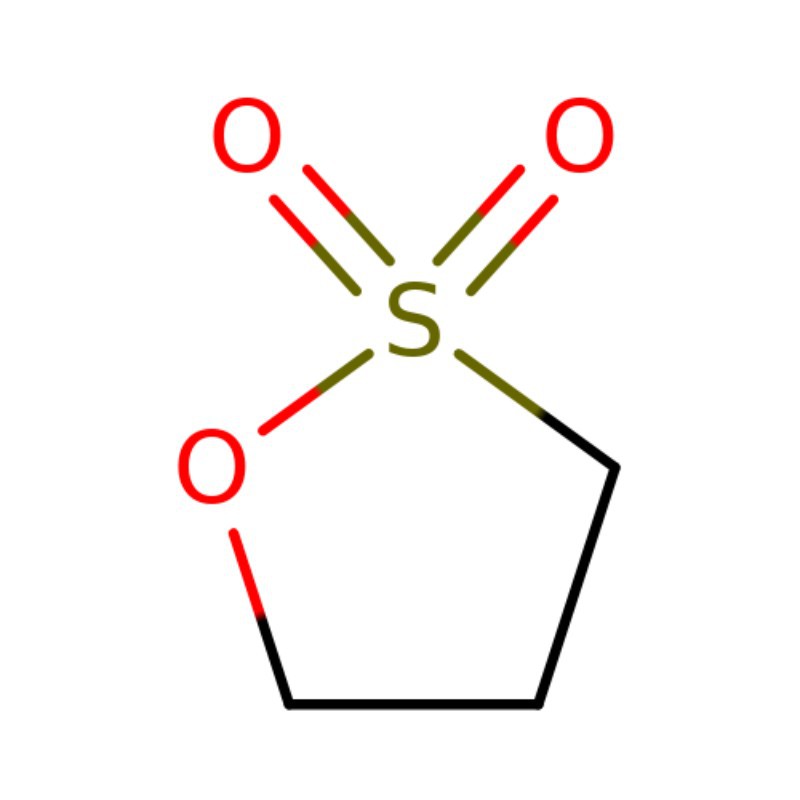
If you are also interested in other materials related to the medical and new - materials field, you can check out Lithium Difluoro(oxalato)borate and 1,3 - Propanesultone. Also, for those looking for alternative parylene materials, Parylene F Dimer might be a good option.
Conclusion
Using Parylene C Dimer in medical applications requires meeting a series of strict requirements, including purity, biocompatibility, sterilization compatibility, mechanical properties, chemical resistance, regulatory compliance, and application - specific requirements. As a supplier of Parylene C Dimer, we are committed to providing high - quality products that meet these requirements.

If you are in the medical device manufacturing industry and are interested in using Parylene C Dimer for your products, I encourage you to contact us for procurement and further discussions. We have a team of experts who can provide you with detailed technical support and guidance to ensure the successful application of Parylene C Dimer in your medical devices.
References
- Ratner, B. D., Hoffman, A. S., Schoen, F. J., & Lemons, J. E. (Eds.). (2004). Biomaterials science: an introduction to materials in medicine. Elsevier.
- Park, J. B., & Lakes, R. S. (2007). Biomaterials: an introduction. Springer Science & Business Media.
- Williams, D. F. (1987). On the mechanisms of biocompatibility. Biomaterials, 8(4), 212 - 217.