

How does ergosterol interact with proteins in the cell membrane?
Nov 20, 2025
Leave a message
Ergosterol, a key sterol found in fungi and some protozoa, plays a crucial role in the cell membrane. It is structurally similar to cholesterol in mammalian cells and has distinct functions and interactions within the cellular environment. As a reliable ergosterol supplier, I am deeply interested in exploring how ergosterol interacts with proteins in the cell membrane.
Structure and Properties of Ergosterol
Ergosterol has a characteristic steroid structure with a four - ring core and a side - chain. The presence of double bonds in the B - ring and the side - chain gives it unique physical and chemical properties. These double bonds make ergosterol more fluid and flexible compared to cholesterol. The fluidity of the cell membrane is essential for many cellular processes, such as membrane protein function, cell signaling, and nutrient transport.
The solubility of ergosterol in the lipid bilayer of the cell membrane is also an important factor. It can insert itself into the hydrophobic region of the lipid bilayer, where it interacts with the fatty acid chains of phospholipids. This interaction helps to maintain the integrity and stability of the cell membrane.
Interaction with Membrane Proteins
Direct Binding
Ergosterol can directly bind to membrane proteins. Many membrane proteins have specific binding sites for sterols. For example, some ion channels and transporters may have hydrophobic pockets that can accommodate ergosterol molecules. When ergosterol binds to these proteins, it can modulate their conformation and function.
In the case of ion channels, ergosterol binding may affect the opening and closing kinetics. It can either increase or decrease the probability of the channel being open, depending on the specific protein and the binding mode. This modulation of ion channel activity can have a profound impact on cellular excitability and signal transduction.
Transporters are another class of membrane proteins that can interact with ergosterol. By binding to transporters, ergosterol can influence their substrate affinity and transport rate. For instance, it may enhance the binding of a particular nutrient to a transporter, facilitating its uptake into the cell.
Indirect Effects on Protein Function
Ergosterol can also have indirect effects on membrane protein function by altering the physical properties of the lipid bilayer. As mentioned earlier, ergosterol affects the fluidity of the membrane. Membrane proteins are highly sensitive to the lipid environment in which they are embedded. A change in membrane fluidity can affect the lateral mobility of membrane proteins, their oligomerization state, and their interaction with other proteins.
For example, some membrane - bound enzymes require a certain level of membrane fluidity to function optimally. If ergosterol increases the fluidity of the membrane, it may enhance the activity of these enzymes by allowing them to adopt a more favorable conformation or by facilitating their interaction with substrates.
In addition, ergosterol can influence the clustering of membrane proteins. Some proteins form functional clusters on the cell membrane, and the lipid composition, including ergosterol, can determine the stability and size of these clusters. By promoting or inhibiting protein clustering, ergosterol can regulate the efficiency of signal transduction pathways.
Role in Cell Signaling
Cell signaling is a complex process that involves the transmission of information across the cell membrane. Ergosterol can play a role in this process by interacting with signaling proteins. For example, G - protein - coupled receptors (GPCRs), which are a large family of membrane proteins involved in signal transduction, can be affected by ergosterol.
Ergosterol may interact with the lipid - facing regions of GPCRs, influencing their ligand - binding affinity and their ability to activate downstream signaling pathways. By modulating GPCR function, ergosterol can regulate various cellular responses, such as cell growth, differentiation, and metabolism.
Another aspect of cell signaling is the activation of intracellular signaling cascades by membrane - bound kinases. Ergosterol can affect the activity of these kinases by altering the membrane environment in which they are located. For example, it may change the phosphorylation state of the kinases or their interaction with other signaling molecules.
Implications in Health and Disease
The interaction between ergosterol and membrane proteins has important implications in health and disease. In fungal infections, the unique interaction of ergosterol with fungal membrane proteins is often targeted by antifungal drugs. Many antifungal agents work by binding to ergosterol in the fungal cell membrane, disrupting its interaction with membrane proteins and ultimately leading to cell death.
On the other hand, in some human diseases, such as neurodegenerative disorders, the function of membrane proteins can be impaired. Since ergosterol can modulate membrane protein function, there is a potential for using ergosterol or ergosterol - like compounds to treat these diseases. However, more research is needed to fully understand the mechanisms and to develop safe and effective therapies.
Applications in Cosmetics
Ergosterol also has potential applications in cosmetics. It can contribute to the maintenance of the skin's barrier function by interacting with membrane proteins in skin cells. The skin is the body's first line of defense against external factors, and a healthy skin barrier is essential for preventing water loss and protecting against pathogens.
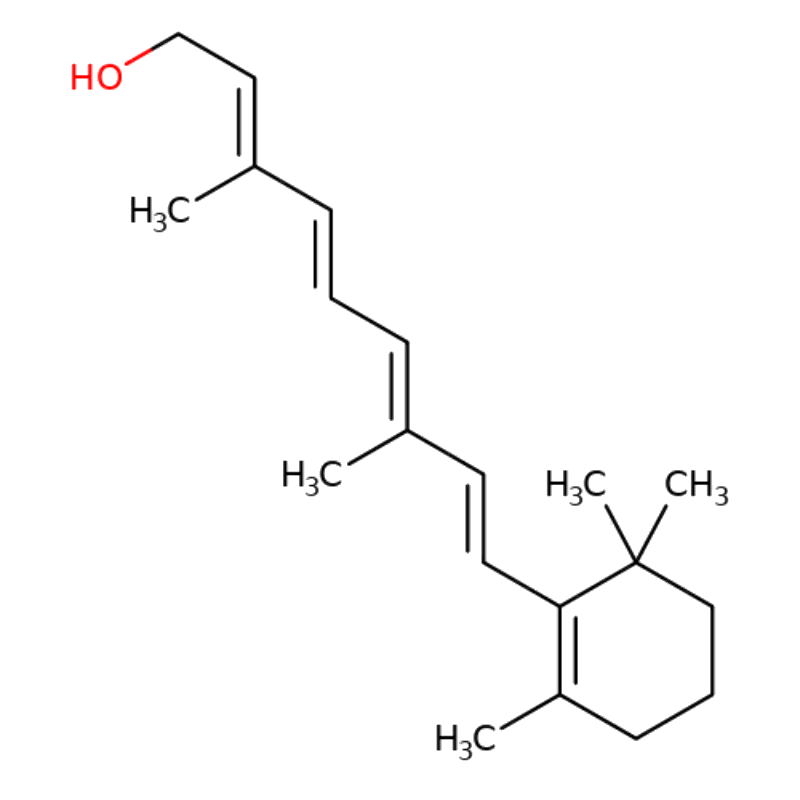
When combined with other beneficial ingredients such as Bifidobacterium Longum, Lysate, Vitamin A, and Fullerene C60, ergosterol can enhance the overall performance of cosmetic products. Bifidobacterium Longum, Lysate can have a probiotic effect on the skin, while Vitamin A is known for its anti - aging properties, and Fullerene C60 has antioxidant effects.

Conclusion
The interaction between ergosterol and proteins in the cell membrane is a complex and fascinating area of research. Ergosterol can directly and indirectly affect the function of membrane proteins, playing a crucial role in various cellular processes, including ion transport, cell signaling, and enzyme activity.
As a supplier of ergosterol, we are committed to providing high - quality ergosterol products for research and industrial applications. Whether you are conducting basic research on cell membrane biology or developing new cosmetic products, our ergosterol can be a valuable asset. If you are interested in purchasing ergosterol or have any questions about its applications, please feel free to contact us for procurement and further discussions.
References
- Yeagle, P. L. (1991). The Membranes of Cells. Academic Press.
- Simons, K., & Ikonen, E. (1997). Functional rafts in cell membranes. Nature, 387(6633), 569 - 572.
- Brown, D. A., & London, E. (1998). Structure and function of sphingolipid - and cholesterol - rich membrane rafts. The Journal of Biological Chemistry, 273(51), 32949 - 32952.