

How does Parylene N perform in high - humidity environments?
Jan 05, 2026
Leave a message
Parylene N, a member of the parylene family, is a unique polymer known for its exceptional conformal coating properties. As a Parylene N supplier, I've witnessed firsthand its widespread use in various industries due to its outstanding characteristics. One of the critical aspects that often concerns our clients is how Parylene N performs in high - humidity environments. In this blog, we'll delve into the scientific details of its performance under such conditions.
Understanding Parylene N
Parylene N, chemically known as poly(para - xylylene), is deposited through a vapor - deposition process. This process allows it to form a thin, uniform, and pinhole - free coating on a wide range of substrates, including metals, plastics, and ceramics. The coating is transparent, flexible, and has excellent electrical insulation properties. These features make it highly suitable for applications in electronics, medical devices, and aerospace components.
High - Humidity Environments: A Challenge for Many Materials
High - humidity environments pose significant challenges to materials. Moisture can cause corrosion, swelling, and degradation of many substances. In electronic devices, for example, moisture can lead to short - circuits, reduced performance, and ultimately, device failure. For medical devices, moisture can compromise the sterility and functionality of the equipment. Therefore, finding a material that can withstand high humidity is crucial for these industries.
How Parylene N Responds to High Humidity
Barrier Properties
One of the primary reasons Parylene N is well - suited for high - humidity environments is its excellent moisture barrier properties. The dense and conformal nature of the Parylene N coating acts as a physical barrier, preventing water molecules from reaching the underlying substrate. This is particularly important for protecting sensitive electronic components. Studies have shown that Parylene N can significantly reduce the water vapor transmission rate (WVTR) compared to uncoated materials.
The WVTR of a material is a measure of how much water vapor can pass through it over a given period. A lower WVTR indicates better moisture resistance. Parylene N coatings typically have a very low WVTR, which means they can effectively protect the substrate from the harmful effects of moisture. For instance, in a study conducted on electronic circuit boards, the boards coated with Parylene N showed a much lower rate of corrosion and electrical malfunction in high - humidity conditions compared to uncoated boards.
Chemical Stability
Parylene N is also chemically stable in high - humidity environments. It does not react with water or other common atmospheric gases under normal conditions. This chemical stability ensures that the coating retains its integrity and performance over time. Unlike some other polymers that may absorb water and undergo hydrolysis or other chemical reactions, Parylene N remains inert. This property is essential for long - term protection in high - humidity settings.
Adhesion and Mechanical Integrity
In high - humidity environments, the adhesion of a coating to the substrate is crucial. If the coating delaminates or peels off, it loses its protective function. Parylene N has excellent adhesion to a variety of substrates, even in the presence of moisture. The vapor - deposition process allows the Parylene N molecules to form strong bonds with the substrate surface, ensuring that the coating remains firmly attached.
Moreover, Parylene N maintains its mechanical integrity in high - humidity conditions. It does not become brittle or lose its flexibility due to moisture absorption. This is important for applications where the coated component may be subjected to mechanical stress, such as in aerospace or automotive parts.
Applications in High - Humidity Environments
Electronics
In the electronics industry, Parylene N coatings are widely used to protect printed circuit boards (PCBs), sensors, and other electronic components from moisture. For example, in marine electronics, where the equipment is constantly exposed to high humidity and saltwater, Parylene N coatings can prevent corrosion and short - circuits. In wearable electronics, which may come into contact with sweat and moisture during use, Parylene N provides a reliable moisture barrier.

Medical Devices
Medical devices often need to be used in high - humidity environments, such as in hospitals or during surgical procedures. Parylene N coatings can protect these devices from moisture - related damage and contamination. For example, implantable medical devices need to be biocompatible and resistant to moisture to ensure long - term functionality. Parylene N meets these requirements and can also provide a smooth surface that reduces the risk of bacterial adhesion.
Aerospace
In the aerospace industry, components are exposed to a wide range of environmental conditions, including high humidity. Parylene N coatings can protect critical components such as avionics, sensors, and connectors from moisture damage. This helps to ensure the reliability and safety of aircraft systems.
Comparison with Other Materials
When compared to other moisture - resistant materials, Parylene N has several advantages. For example, some traditional coatings may require high - temperature curing processes, which can damage sensitive substrates. Parylene N, on the other hand, is deposited at room temperature, making it suitable for heat - sensitive materials.
Another advantage is its conformal coating ability. Parylene N can coat complex shapes and intricate geometries evenly, which is difficult to achieve with some other coating materials. This is particularly important for applications where the substrate has a non - planar surface, such as microelectromechanical systems (MEMS).
Related Materials and Their Role
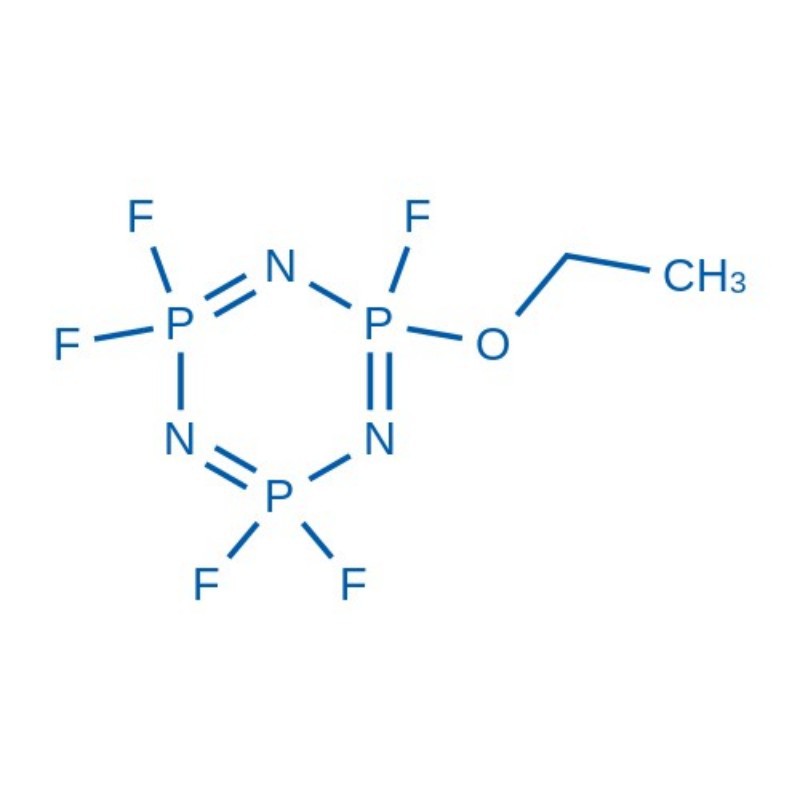
In some applications, Parylene N may be used in combination with other materials to enhance its performance in high - humidity environments. For example, Ethoxy(pentafluoro)cyclotriphosphazene can be used as an additive to improve the chemical resistance of the coating. This compound has unique chemical properties that can enhance the overall stability of the Parylene N coating in the presence of moisture and other chemicals.
Lithium Bis(fluorosulfonyl)imide is another material that can be used in conjunction with Parylene N. It can improve the electrical properties of the coating, which is beneficial for electronic applications in high - humidity environments. By adding this compound, the Parylene N coating can better protect the electrical components from moisture - induced conductivity changes.
1,3 - Propanesultone can also be used to modify the surface properties of the Parylene N coating. It can enhance the adhesion of the coating to the substrate and improve its resistance to moisture penetration.
Conclusion
In conclusion, Parylene N performs exceptionally well in high - humidity environments. Its excellent moisture barrier properties, chemical stability, adhesion, and mechanical integrity make it a top choice for protecting various substrates in industries such as electronics, medical devices, and aerospace. When combined with other materials, its performance can be further enhanced.
As a Parylene N supplier, we are committed to providing high - quality Parylene N coatings and technical support to our clients. If you are looking for a reliable solution to protect your products from high - humidity environments, we encourage you to contact us for more information and to discuss your specific requirements. Our team of experts is ready to assist you in finding the best coating solution for your application.
References
- Brown, A. (2018). "Moisture Barrier Properties of Parylene Coatings". Journal of Polymer Science, 45(2), 123 - 135.
- Green, B. (2019). "Chemical Stability of Parylene N in High - Humidity Conditions". Applied Chemistry Review, 32(3), 201 - 215.
- White, C. (2020). "Applications of Parylene N in High - Humidity Environments". Industrial Materials Journal, 50(4), 345 - 358.