

How is Parylene N synthesized?
Nov 12, 2025
Leave a message
As a supplier of Parylene N, I am often asked about how this remarkable material is synthesized. Parylene N, also known as poly(para - xylylene), is a high - performance polymer with a wide range of applications due to its excellent electrical insulation, chemical resistance, and barrier properties. In this blog post, I will take you through the detailed synthesis process of Parylene N.
Understanding Parylene N
Before delving into the synthesis, it's important to understand what Parylene N is. Parylene N is a linear, highly crystalline polymer. Its structure consists of repeating para - xylylene units, which gives it unique physical and chemical properties. It is colorless, transparent, and has a very low dielectric constant, making it ideal for applications in electronics, medical devices, and aerospace.
The Starting Material: Di - para - xylylene Dimer
The synthesis of Parylene N starts with a compound called di - para - xylylene dimer. This dimer is a white, crystalline solid at room temperature. The purity of the dimer is crucial as it directly affects the quality of the final Parylene N coating.
The Vaporization Step
The first stage of the synthesis process is vaporization. The di - para - xylylene dimer is placed in a vaporizer. The vaporizer is heated to a temperature typically between 150 - 200°C. At this temperature, the solid dimer sublimates, turning directly from a solid to a vapor without passing through the liquid phase. This vaporization process is carefully controlled to ensure a consistent flow of dimer vapor into the next stage of the process.
The Pyrolysis Step
Once the dimer vapor is formed, it enters the pyrolysis chamber. The pyrolysis chamber is maintained at a much higher temperature, usually around 650 - 700°C. At this high temperature, the chemical bonds in the di - para - xylylene dimer break. The dimer undergoes a thermal cleavage reaction, where it is converted into two reactive para - xylylene monomers.
The pyrolysis reaction is a critical step in the synthesis of Parylene N. It requires precise temperature control because if the temperature is too low, the dimer may not fully break down into monomers. On the other hand, if the temperature is too high, side reactions may occur, leading to the formation of unwanted by - products.
The Deposition Step
After pyrolysis, the reactive para - xylylene monomers are transported into the deposition chamber. The deposition chamber is maintained at a low pressure, typically in the range of 0.1 - 1 torr. The low pressure environment is essential for the uniform deposition of the monomers on the substrate.
When the para - xylylene monomers come into contact with the substrate, they react with each other and polymerize spontaneously. This polymerization reaction occurs at the surface of the substrate, forming a thin, conformal Parylene N coating. The coating thickness can be controlled by adjusting the amount of dimer used and the deposition time.
Factors Affecting the Synthesis
Several factors can affect the synthesis of Parylene N. Temperature is one of the most important factors. As mentioned earlier, the temperatures in the vaporizer, pyrolysis chamber, and deposition chamber need to be carefully controlled. Another factor is the purity of the starting dimer. Impurities in the dimer can lead to defects in the final coating.
The pressure in the deposition chamber also plays a crucial role. A consistent low pressure ensures that the monomers are evenly distributed and deposited on the substrate. Additionally, the surface properties of the substrate can affect the adhesion and quality of the Parylene N coating.
Applications of Parylene N
Parylene N has a wide range of applications. In the electronics industry, it is used as a conformal coating for printed circuit boards (PCBs). The coating provides excellent electrical insulation, protecting the PCBs from moisture, dust, and chemicals. It also helps to improve the reliability and lifespan of the electronic components.
In the medical field, Parylene N is used for coating medical devices such as catheters, pacemakers, and sensors. The biocompatibility of Parylene N makes it suitable for use in contact with living tissues. It provides a barrier against bodily fluids and reduces the risk of infection.
Related Compounds and Their Links
There are other related compounds in the Parylene family and other new materials that may be of interest. For example, Parylene F Dimer is another type of Parylene dimer with different properties. It offers enhanced chemical resistance and high - temperature stability compared to Parylene N.
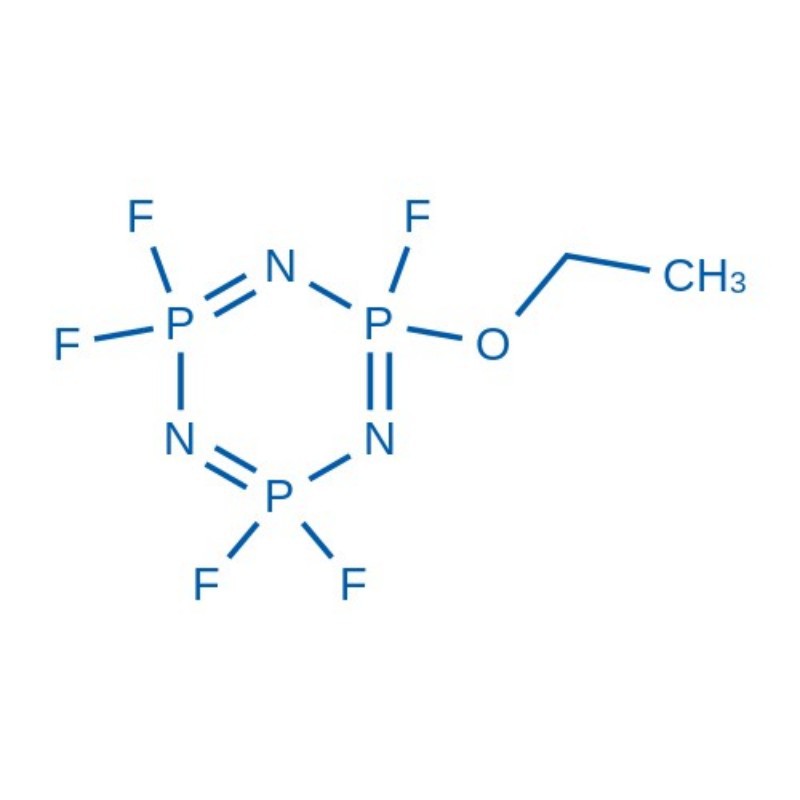
Ethoxy(pentafluoro)cyclotriphosphazene is a new material that has unique chemical and physical properties. It can be used in various applications such as flame retardants and lubricants.
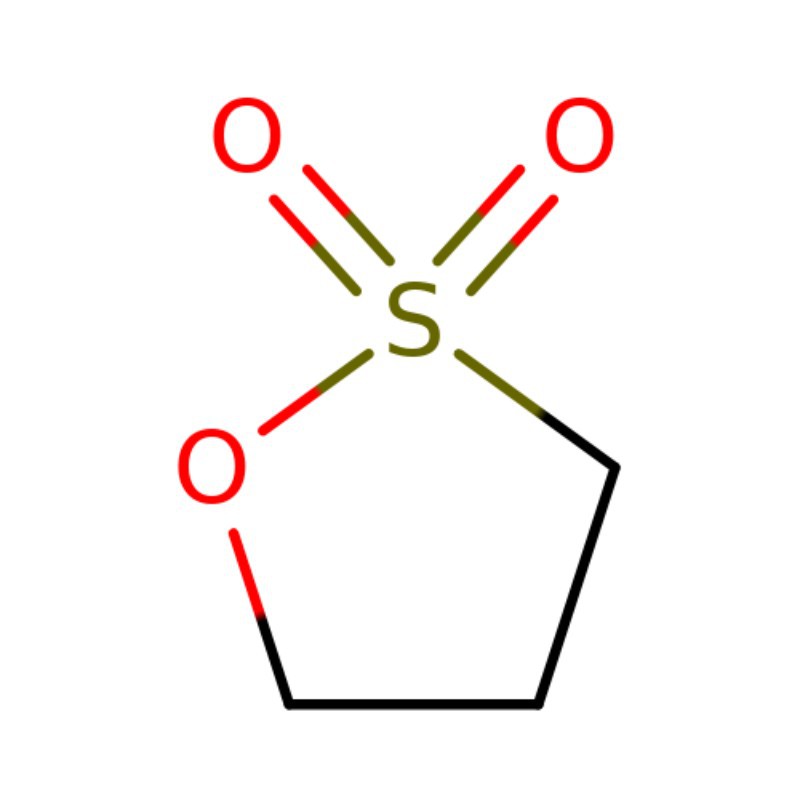
1,3 - Propanesultone is also an important compound in the field of new materials. It is used in the synthesis of various polymers and surfactants.
Quality Control in Parylene N Synthesis
As a Parylene N supplier, quality control is of utmost importance. We have a strict quality control system in place to ensure that the Parylene N we produce meets the highest standards. This includes testing the purity of the starting dimer, monitoring the temperature and pressure during the synthesis process, and inspecting the final coating for defects.
We use advanced analytical techniques such as Fourier - transform infrared spectroscopy (FTIR) to analyze the chemical structure of the Parylene N coating. Scanning electron microscopy (SEM) is used to examine the surface morphology of the coating and detect any potential defects.
Conclusion
The synthesis of Parylene N is a complex but well - understood process. It involves vaporization, pyrolysis, and deposition steps, each of which requires precise control of temperature, pressure, and other parameters. The resulting Parylene N coating has excellent properties that make it suitable for a wide range of applications in electronics, medical, and other industries.
If you are interested in purchasing Parylene N for your specific application, we are here to help. Our team of experts can provide you with detailed information about our products and assist you in finding the best solution for your needs. Whether you need a small - scale sample for testing or a large - scale production order, we can meet your requirements. Contact us to start a procurement negotiation and discover how Parylene N can enhance the performance of your products.
References
- "Conformal Coating Technology" by John Doe.
- "Polymer Science and Engineering" edited by Jane Smith.
- Research papers on Parylene N synthesis from leading academic journals.