

How does Argireline compare to hyaluronic acid?
Nov 13, 2025
Leave a message
In the ever - evolving world of cosmetics and skincare, consumers are constantly on the hunt for the next big thing that can deliver visible and long - lasting results. Two ingredients that have gained significant attention in recent years are Argireline and hyaluronic acid. As an Argireline supplier, I am often asked about how these two substances stack up against each other. In this blog, we will take an in - depth look at the properties, benefits, and applications of Argireline and hyaluronic acid to understand their differences and similarities.
Understanding Argireline
Argireline, also known as Acetyl Hexapeptide - 8, is a synthetic peptide that has been hailed as a "botox alternative" in the cosmetic industry. Peptides are short chains of amino acids, the building blocks of proteins. Argireline works by targeting the muscles beneath the skin. When we make facial expressions, our muscles contract, and over time, these repeated contractions lead to the formation of wrinkles, especially around the eyes, forehead, and mouth.
Argireline inhibits the release of neurotransmitters that signal the muscles to contract. By reducing muscle contractions, it helps to relax the facial muscles, which in turn reduces the appearance of fine lines and wrinkles. It is a more natural and non - invasive alternative to botulinum toxin injections, which also work by paralyzing the muscles but can have more severe side effects and require professional administration.
One of the key advantages of Argireline is its safety profile. It is suitable for a wide range of skin types, including sensitive skin. Since it is a peptide, it is less likely to cause allergic reactions compared to some other skincare ingredients. Additionally, it can be easily incorporated into various skincare products such as creams, serums, and lotions.
The Wonders of Hyaluronic Acid
Hyaluronic acid is a naturally occurring substance in the human body, found in the skin, connective tissues, and eyes. It is a powerful humectant, which means it has the ability to attract and retain water. In fact, hyaluronic acid can hold up to 1000 times its weight in water.
In skincare, hyaluronic acid plays a crucial role in maintaining skin hydration. As we age, the natural levels of hyaluronic acid in our skin decrease, leading to dryness, loss of elasticity, and the appearance of fine lines. By applying hyaluronic acid topically, we can replenish the lost moisture, plump up the skin, and make it look smoother and more youthful.
Hyaluronic acid comes in different molecular weights. Low - molecular - weight hyaluronic acid can penetrate deeper into the skin layers, providing long - lasting hydration, while high - molecular - weight hyaluronic acid forms a protective film on the skin surface, preventing moisture loss. It is commonly used in moisturizers, masks, and serums, and is often combined with other ingredients to enhance its effects.
Comparing Their Effects on Wrinkles
When it comes to reducing the appearance of wrinkles, both Argireline and hyaluronic acid have their unique mechanisms. Argireline directly targets the muscle contractions that cause wrinkles. It is particularly effective for dynamic wrinkles, which are formed by repeated facial expressions. With regular use, it can gradually smooth out these wrinkles and prevent new ones from forming.
On the other hand, hyaluronic acid works by hydrating the skin. By filling the skin with moisture, it plumps up the skin cells, making the wrinkles less noticeable. It is more effective for static wrinkles, which are caused by aging, sun damage, and loss of collagen. Hyaluronic acid can give the skin an immediate "lift" effect, making it look smoother and more supple.
In some cases, combining Argireline and hyaluronic acid can be a powerful anti - aging strategy. The Argireline can relax the muscles and reduce the formation of new wrinkles, while the hyaluronic acid can hydrate the skin and smooth out existing ones.
Safety and Side Effects
As mentioned earlier, Argireline has a relatively good safety profile. It is generally well - tolerated by most people, and side effects are rare. However, in some cases, individuals with extremely sensitive skin may experience mild irritation or redness, but this is usually temporary.
Hyaluronic acid is also considered very safe. Since it is a natural substance in the body, the risk of allergic reactions is extremely low. However, some products containing hyaluronic acid may have other ingredients that could cause irritation, so it is always important to check the product label.
Applications in Skincare Products
Argireline is commonly found in anti - aging creams and serums. These products are often marketed towards consumers who are looking for a non - invasive way to reduce the appearance of wrinkles. It can also be used in night creams, as the skin's repair process is more active during sleep, and the Argireline can work more effectively during this time.
Hyaluronic acid, on the other hand, is a staple in moisturizers, hydrating masks, and serums. It can be used in both morning and evening skincare routines. In the morning, it can help to prepare the skin for makeup application by providing a smooth base, while in the evening, it can help the skin recover from the day's environmental stressors.

Cost - effectiveness
In terms of cost - effectiveness, both ingredients have their own considerations. Argireline is a relatively new and advanced ingredient, so products containing it may be more expensive. However, considering its long - term benefits in reducing wrinkles, it can be a worthwhile investment.
Hyaluronic acid is more widely available and can be found in products at various price points. There are high - end hyaluronic acid products with advanced formulations, as well as more affordable options that still provide good hydration.
Other Related Ingredients in Cosmetics
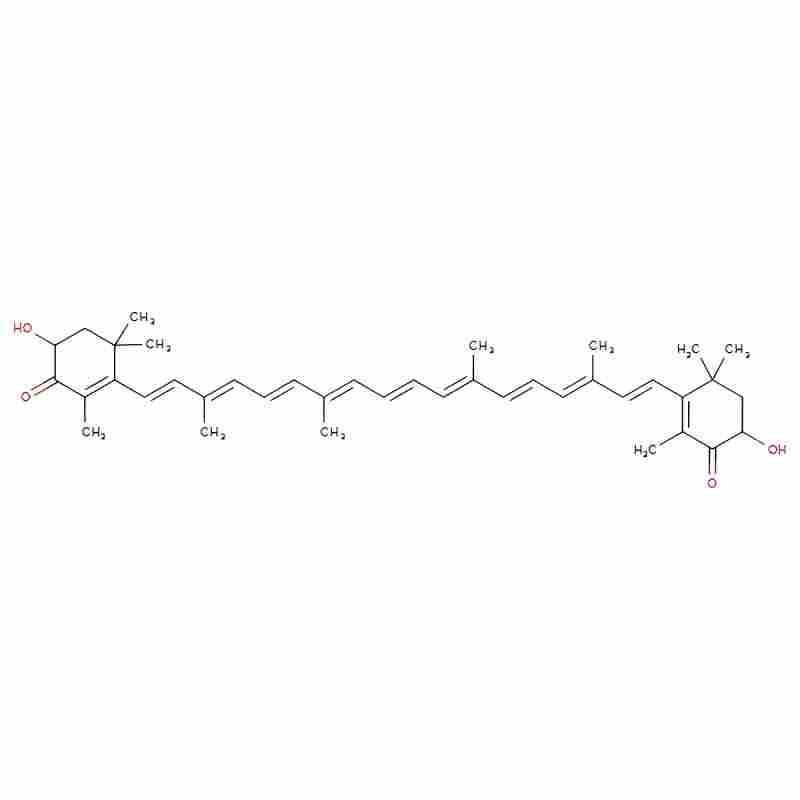
In addition to Argireline and hyaluronic acid, there are other important ingredients in the cosmetics industry. For example, Glutathione is a powerful antioxidant that can help to brighten the skin and protect it from free - radical damage. Astaxanthin is another antioxidant that has been shown to have anti - inflammatory and anti - aging properties. Ergosterol is a sterol that can help to improve the skin's barrier function and reduce moisture loss.
Conclusion and Call to Action
In conclusion, Argireline and hyaluronic acid are both valuable ingredients in the skincare industry, but they serve different purposes. Argireline is great for reducing dynamic wrinkles by relaxing the facial muscles, while hyaluronic acid is excellent for hydrating the skin and reducing static wrinkles. Depending on your skin concerns, you may choose products containing one or both of these ingredients.
If you are a skincare brand looking to incorporate high - quality Argireline into your products, I invite you to reach out for a procurement discussion. We can provide you with detailed information about our Argireline products, including specifications, pricing, and customization options. Together, we can create innovative skincare solutions that meet the needs of your customers.
References
- "Peptides in Cosmetics: A Review" - Journal of Cosmetic Science
- "Hyaluronic Acid in Skin Care: A Review" - International Journal of Cosmetic Science
- "Anti - aging Effects of Argireline: A Clinical Study" - Dermatology Research and Practice