

Is Parylene C Dimer safe for food contact applications?
Oct 23, 2025
Leave a message
Hey there! As a supplier of Parylene C Dimer, I often get asked whether it's safe for food contact applications. It's a super important question, especially considering all the concerns about food safety these days. So, let's dive right in and explore this topic in detail.
First off, what exactly is Parylene C Dimer? Well, it's a unique material that belongs to the parylene family. When it's deposited, it forms a thin, conformal coating that's known for its excellent barrier properties, chemical resistance, and biocompatibility. You can learn more about it Parylene C Dimer.
Now, let's talk about the safety aspect. When it comes to food contact applications, safety is non - negotiable. We need to make sure that any material in contact with our food doesn't leach harmful substances or contaminate the food in any way.
One of the key factors in determining the safety of Parylene C Dimer for food contact is its chemical stability. Parylene C Dimer coatings are highly stable under normal conditions. They have a low permeability to gases, moisture, and organic solvents. This means that they act as a great barrier, preventing any external contaminants from reaching the food, and also preventing any components of the coating from leaching into the food.
In terms of regulatory compliance, the use of materials in food contact applications is strictly regulated. In the United States, the Food and Drug Administration (FDA) has set specific guidelines and requirements for materials that come into contact with food. Parylene C Dimer has been evaluated by regulatory bodies, and in many cases, it meets the necessary criteria for certain types of food contact applications. However, it's important to note that the specific conditions of use matter a lot. For example, the temperature, the type of food (acidic, fatty, etc.), and the duration of contact all play a role in determining whether it's safe.
Let's take a look at some real - world examples. In the food packaging industry, Parylene C Dimer coatings can be used on certain types of containers. These coatings can help extend the shelf - life of the food by protecting it from oxygen and moisture. For instance, a container with a Parylene C Dimer coating can keep a snack fresh for a longer time compared to an uncoated container.
Another area where Parylene C Dimer might be used in food contact applications is in food processing equipment. Some parts of the equipment can be coated with Parylene C Dimer to prevent corrosion and contamination. This is especially important in a food processing environment where hygiene is crucial.
But, like with any material, there are also some limitations. High - temperature applications can be a challenge for Parylene C Dimer. At extremely high temperatures, the coating might start to degrade, which could potentially release some substances. So, if you're planning to use it in a high - temperature food processing or cooking scenario, you need to be extra cautious and make sure it's suitable for that specific temperature range.
Now, let's compare Parylene C Dimer with some other materials used in food contact applications. There are many traditional materials like plastics and metals. Plastics can sometimes leach chemicals like bisphenol A (BPA) and phthalates, which are a concern for human health. Metals can corrode, especially in contact with acidic foods, and release metal ions into the food. Parylene C Dimer, on the other hand, offers a more stable and potentially safer alternative in many cases.
It's also worth mentioning that research is constantly being done to improve the safety and performance of Parylene C Dimer in food contact applications. Scientists are looking into ways to enhance its heat resistance and further reduce any potential risks.
In addition to its safety, Parylene C Dimer also has some other advantages. It can be applied in a very thin layer, which means it doesn't add much weight or bulk to the product. This is great for applications where space and weight are important factors, like in portable food containers.
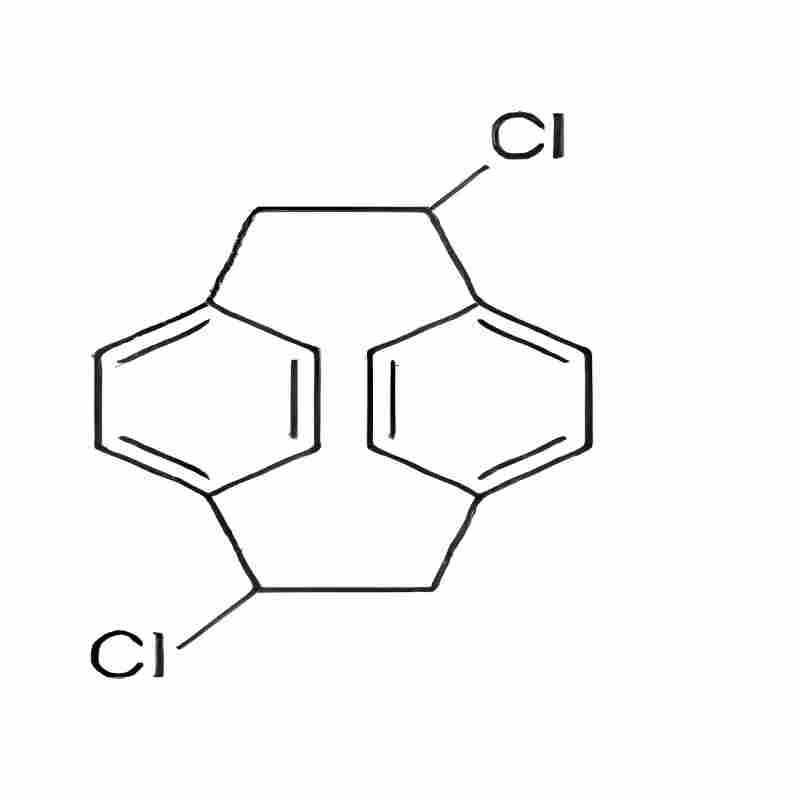

Now, if you're in the food industry and are considering using Parylene C Dimer for your food contact applications, it's essential to do your due diligence. You should consult with experts, conduct your own tests, and make sure that it meets all the regulatory requirements in your region.
We also offer other related materials that might be of interest to you. For example, Hexafluorocyclotriphosphazene and Lithium Bis(fluorosulfonyl)imide have their own unique properties and applications.
If you're interested in purchasing Parylene C Dimer for your food contact applications or have any questions about its safety and suitability, I'd love to have a chat with you. We can discuss your specific needs, the best way to use it, and how we can ensure that it meets all your requirements. Just reach out, and we can start the conversation.
In conclusion, Parylene C Dimer can be a safe option for many food contact applications, but it's important to use it under the right conditions and in compliance with relevant regulations. With its excellent barrier properties and chemical stability, it has the potential to play an important role in the food industry.
References
- Food and Drug Administration (FDA) regulations on food contact materials
- Scientific research papers on the properties and safety of Parylene C Dimer in food contact applications