

What are the applications of Parylene N in the art conservation industry?
Oct 31, 2025
Leave a message
Parylene N, a member of the parylene family, is a unique polymer that has found numerous applications in various industries, including the art conservation field. As a supplier of Parylene N, I am excited to delve into the specific ways this remarkable material can be utilized to preserve and protect artworks.
1. Protection against Environmental Factors
One of the primary challenges in art conservation is safeguarding artworks from the detrimental effects of environmental factors such as humidity, temperature fluctuations, and pollutants. Parylene N offers an excellent solution due to its outstanding barrier properties.
When applied as a thin coating on the surface of art objects, Parylene N forms a continuous, pinhole - free film. This film acts as a physical barrier that prevents moisture from penetrating the artwork. High humidity can cause swelling, warping, and the growth of mold on organic materials such as wood, paper, and canvas. By blocking moisture, Parylene N helps to maintain the structural integrity of these materials. For example, in the case of old paintings on canvas, a Parylene N coating can prevent the canvas from stretching or shrinking due to changes in humidity, thus preserving the flatness and tension of the painting.
Moreover, Parylene N is resistant to many common pollutants in the environment, including airborne chemicals and particulate matter. Pollutants can cause discoloration, corrosion, and degradation of art materials over time. The protective coating of Parylene N shields the artwork from these harmful substances, ensuring that its original appearance and quality are maintained for a longer period.
2. Preservation of Metal Artifacts
Metal artifacts, such as sculptures, jewelry, and ancient coins, are highly susceptible to corrosion. Corrosion can not only damage the aesthetic appeal of these objects but also compromise their structural strength. Parylene N provides an effective anti - corrosion solution for metal artworks.
The coating adheres tightly to the metal surface, creating a protective layer that isolates the metal from oxygen and moisture, the two main factors that cause corrosion. Unlike some traditional anti - corrosion coatings, Parylene N is conformal, meaning it can coat complex shapes and intricate details of metal artifacts without adding significant bulk or altering the object's appearance. For instance, in the conservation of delicate ancient coins, a thin layer of Parylene N can be applied to prevent the oxidation of the metal, while still allowing the fine details of the coin's design to be visible.
In addition, Parylene N has good chemical stability, which means it will not react with the metal or other substances in the environment in a way that could cause further damage. This makes it a reliable choice for long - term preservation of metal art objects.
3. Consolidation of Fragile Artworks
Some artworks, especially those made of brittle or porous materials, are prone to fragmentation and loss of small pieces. Parylene N can be used as a consolidant to strengthen these fragile artworks.
When applied to porous materials like ceramics, plaster, or stone, Parylene N can penetrate into the pores and interstices of the material. As it polymerizes, it forms a network within the material, binding the loose particles together and increasing the overall strength of the artwork. This is particularly useful in the conservation of ancient pottery or damaged sculptures. The Parylene N coating helps to prevent further breakage and loss of fragments, allowing the artwork to be handled and displayed with greater safety.
Furthermore, because Parylene N can be applied in thin layers, it does not significantly alter the appearance or texture of the artwork. This is crucial in art conservation, where maintaining the original aesthetic qualities of the object is of utmost importance.
4. Protection of Organic Materials
Organic materials such as wood, leather, and textiles are commonly used in artworks, but they are also vulnerable to biological degradation. Insects, fungi, and bacteria can attack these materials, causing damage and decay. Parylene N can provide protection against these biological threats.
The non - porous nature of the Parylene N coating creates a physical barrier that prevents insects from accessing the organic material and laying eggs. It also inhibits the growth of fungi and bacteria by blocking the moisture and nutrients they need to survive. For example, in the conservation of wooden sculptures, a Parylene N coating can protect the wood from termite infestation and fungal rot, extending the lifespan of the artwork.
In the case of textile artworks, Parylene N can enhance the durability of the fabric. It can prevent the fibers from fraying and breaking, and also protect the dyes and pigments used in the textile from fading due to exposure to light and environmental factors.

5. Compatibility with Conservation Treatments
Another advantage of using Parylene N in art conservation is its compatibility with other conservation treatments. In many cases, art conservators may need to use multiple techniques and materials to preserve an artwork. Parylene N can be used in combination with other conservation agents without causing adverse reactions.
For example, it can be applied after a cleaning treatment to protect the cleaned surface. It can also be used in conjunction with other consolidants or stabilizers to enhance the overall preservation effect. This flexibility makes Parylene N a valuable tool in the art conservator's toolkit, allowing for customized conservation solutions for different types of artworks.
6. Comparison with Other Materials
When considering materials for art conservation, it is important to compare Parylene N with other commonly used materials. Some traditional coatings, such as waxes and varnishes, have been used for a long time in art conservation. However, these materials may have some limitations.
Waxes can be difficult to apply evenly, especially on complex - shaped objects. They may also attract dust and dirt over time, and can be affected by temperature changes, becoming sticky in warm conditions and brittle in cold conditions. Varnishes, on the other hand, may yellow or crack over time, altering the appearance of the artwork.
In contrast, Parylene N offers a more consistent and long - lasting protection. Its conformal coating ability, chemical stability, and resistance to environmental factors make it a superior choice for many art conservation applications.
Encouragement for Contact
If you are involved in the art conservation industry and are interested in exploring the potential of Parylene N for your projects, I encourage you to reach out for more information. Our company is committed to providing high - quality Parylene N products and excellent technical support. Whether you need a small quantity for a specific conservation project or a large - scale supply for regular use, we can meet your requirements. Contact us to discuss your needs and start a partnership that will contribute to the long - term preservation of precious artworks.
References
- "Conservation of Cultural Heritage: An Introduction" by Stefano Bruni
- "The Chemistry of Art Conservation" by Roy L. Smith
- "Parylene Coating Technology: Fundamentals and Applications" by various authors
It should be noted that the links you provided for "Lithium Difluorophosphate" ["/new - materials/lithium - difluorophosphate.html"], "Hexafluorocyclotriphosphazene" ["/new - materials/hexafluorocyclotriphosphazene.html"], and "1,3 - Propanesultone" ["/new - materials/1 - 3 - propanesultone.html"] seem not directly relevant to the topic of Parylene N applications in the art conservation industry. However, if you still want them to be inserted, they could be placed in a section where you might mention related chemical materials in a more general context. For example:
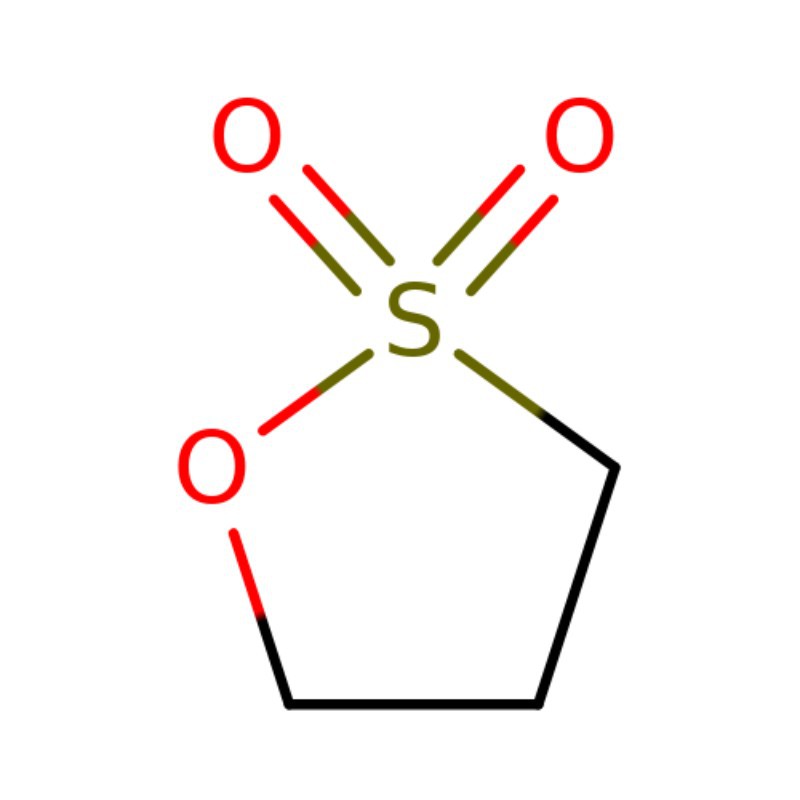
There are also other chemical materials in the market that play important roles in different industries. For instance, Lithium Difluorophosphate is widely used in battery technology, Hexafluorocyclotriphosphazene has applications in flame - retardant materials, and 1,3 - Propanesultone is used in the synthesis of various chemical compounds. While these materials have different functions, the unique properties of Parylene N make it a standout choice for art conservation.