

What are the differences between natural and synthetic Ectoine?
Sep 08, 2025
Leave a message
Hey there! As an Ectoine supplier, I've been getting a lot of questions lately about the differences between natural and synthetic Ectoine. So, I thought I'd take a moment to break it down for you all.
Let's start with what Ectoine is. Ectoine is a natural amino acid derivative that acts like a little superhero for cells. It helps protect them from all sorts of stressors, like extreme temperatures, high salinity, and UV radiation. That's why it's become super popular in the cosmetic and skincare industries. It can keep your skin looking fresh and healthy by shielding it from environmental damage.
Natural Ectoine
Natural Ectoine is sourced from microorganisms that live in extreme environments, like salt marshes and deserts. These little guys have evolved over time to produce Ectoine as a way to protect themselves from the harsh conditions around them. When we harvest natural Ectoine, we basically let these microorganisms do their thing and then extract the Ectoine they've made.
One of the biggest advantages of natural Ectoine is its authenticity. It's straight from nature, so it has all the natural goodness that comes with it. It's also highly biocompatible, which means your body can easily recognize and use it. This makes it a great choice for people with sensitive skin, as it's less likely to cause any allergic reactions.
Another plus is that natural Ectoine production can be more sustainable. Since we're working with natural microorganisms, we're not relying on heavy chemical processes that can harm the environment. It's a win - win for both your skin and the planet.
However, there are also some downsides. The production of natural Ectoine can be a bit tricky and time - consuming. We need to create the right conditions for these microorganisms to grow and produce Ectoine, and that can take a while. This can also make it more expensive, as the production costs are higher.
Synthetic Ectoine
On the other hand, synthetic Ectoine is made in a lab. Scientists use chemical reactions to create Ectoine molecules that are identical to the ones found in nature. This means that synthetic Ectoine has the same chemical structure and properties as natural Ectoine.
One of the main benefits of synthetic Ectoine is its consistency. In a lab, we can control all the variables, so we can produce Ectoine with the exact same quality every time. This is great for cosmetic companies that need a reliable supply of Ectoine for their products.
It's also usually more affordable. Since the production process in the lab is more streamlined and doesn't rely on growing microorganisms, the costs are lower. This can make products containing synthetic Ectoine more accessible to a wider range of consumers.
But there are some drawbacks too. Some people are a bit skeptical about synthetic products. They worry that there might be some hidden chemicals or impurities in the synthetic Ectoine. While this isn't usually the case, as long as it's produced in a high - quality lab, the perception can still be an issue.
Comparing Their Effects in Cosmetics
In the world of cosmetics, both natural and synthetic Ectoine can do wonders for your skin. They both have excellent moisturizing properties, which can help keep your skin hydrated and plump. They also have anti - inflammatory effects, which can reduce redness and irritation.
However, some people claim that natural Ectoine has a more "holistic" effect on the skin. They say it works better with the skin's natural processes and can provide a more long - term improvement in skin health. On the other hand, synthetic Ectoine is often praised for its quick - acting results. It can give you an immediate boost in skin appearance, making it a popular choice for products like serums and masks.
Other Related Ingredients
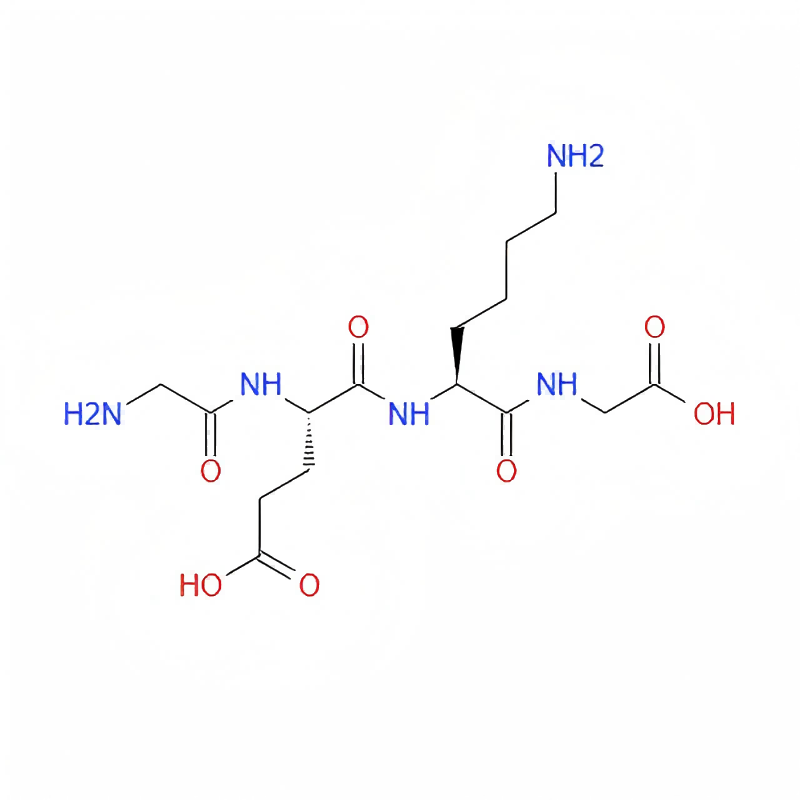
When it comes to skincare, Ectoine doesn't work alone. There are other great ingredients that can work in tandem with it. For example, Tetrapeptide - 21 is a peptide that can help stimulate collagen production. When combined with Ectoine, it can give your skin a more youthful and firm appearance.
Ergosterol is another interesting ingredient. It has antioxidant properties and can help protect your skin from free radicals. Using it with Ectoine can enhance the overall protection of your skin from environmental damage.
Bifidobacterium Longum, Lysate is a probiotic ingredient. It can help balance the skin's microbiome, which is important for maintaining healthy skin. When paired with Ectoine, it can create a more harmonious environment for your skin cells.
Making the Choice
So, which one should you choose - natural or synthetic Ectoine? Well, it really depends on your needs and preferences. If you have sensitive skin and you're willing to pay a bit more for a natural product, then natural Ectoine might be the way to go. But if you're looking for an affordable and consistent option, synthetic Ectoine could be a better fit.
As an Ectoine supplier, I have both natural and synthetic Ectoine available. I can provide high - quality Ectoine for all your cosmetic and skincare needs. Whether you're a small - scale skincare brand or a large cosmetic company, I can work with you to find the right type of Ectoine for your products.
If you're interested in learning more about our Ectoine products or you want to start a procurement discussion, don't hesitate to reach out. I'm here to help you make the best choice for your business and your customers.
References
- "The Biology and Applications of Ectoine" - Journal of Applied Microbiology
- "Synthetic vs. Natural Cosmetic Ingredients: A Comparative Analysis" - Cosmetics Science Review
- "The Role of Ectoine in Skin Health and Beauty" - International Journal of Dermatology