

What are the effects of Ectoine on cancer cells?
Aug 12, 2025
Leave a message
Hey there! As an Ectoine supplier, I've been getting a lot of questions lately about the effects of Ectoine on cancer cells. So, I thought I'd dive into this topic and share what I've learned.
First off, let's talk a bit about what Ectoine is. Ectoine is a natural amino acid derivative that's produced by certain microorganisms to help them survive in extreme environmental conditions, like high salinity or temperature fluctuations. Over the years, it's gained a lot of attention in the scientific community for its potential health benefits, especially in skincare and medicine.
Now, onto the big question: what are the effects of Ectoine on cancer cells? Well, the research is still in its early stages, but there are some really interesting findings so far.
Anti - Oxidative and Anti - Inflammatory Effects
One of the key ways Ectoine might impact cancer cells is through its anti - oxidative and anti - inflammatory properties. Cancer cells often thrive in an environment with high levels of oxidative stress and chronic inflammation. Oxidative stress can damage DNA, proteins, and lipids in cells, leading to mutations that can cause cancer. Inflammation, on the other hand, can promote the growth, invasion, and metastasis of cancer cells.
Ectoine acts as a powerful antioxidant, scavenging free radicals and reducing oxidative stress. It also helps to modulate the immune system and reduce inflammation. By doing so, it might create an environment that's less favorable for cancer cell growth. For example, in some in vitro studies, Ectoine has been shown to reduce the production of pro - inflammatory cytokines in immune cells. These cytokines are often overproduced in cancer patients and can contribute to tumor progression.
Protection of DNA
Another important aspect is Ectoine's ability to protect DNA. DNA damage is a major driver of cancer development. Ectoine can form a protective hydration shell around DNA molecules, shielding them from damage caused by various factors such as radiation, chemicals, and reactive oxygen species.
In a study, researchers exposed cells to a DNA - damaging agent in the presence and absence of Ectoine. They found that cells treated with Ectoine had significantly less DNA damage compared to the untreated cells. This protection of DNA could potentially prevent the mutations that lead to cancer initiation and progression.
Induction of Apoptosis
Apoptosis, or programmed cell death, is a natural process that helps the body get rid of damaged or abnormal cells. Cancer cells often have mechanisms to evade apoptosis, allowing them to continue growing and dividing uncontrollably.
Some studies suggest that Ectoine might be able to induce apoptosis in cancer cells. It can interact with certain signaling pathways in cells that are involved in apoptosis regulation. For instance, it may activate proteins that trigger the apoptotic cascade, leading to the death of cancer cells. This is a really exciting area of research because if Ectoine can selectively induce apoptosis in cancer cells while leaving normal cells unharmed, it could be a game - changer in cancer treatment.
Comparison with Other Compounds
When we talk about potential anti - cancer agents, it's worth comparing Ectoine with other well - known compounds. For example, Curcumin is a compound found in turmeric that has also been studied for its anti - cancer properties. Both Curcumin and Ectoine have anti - oxidative and anti - inflammatory effects. However, Ectoine has the advantage of being more stable and better tolerated in some cases.
Pro - xylane is another compound that's often used in skincare products and has some potential health benefits. While Pro - xylane is mainly known for its moisturizing and anti - aging effects, Ectoine seems to have more direct effects on cellular processes related to cancer, such as DNA protection and apoptosis induction.
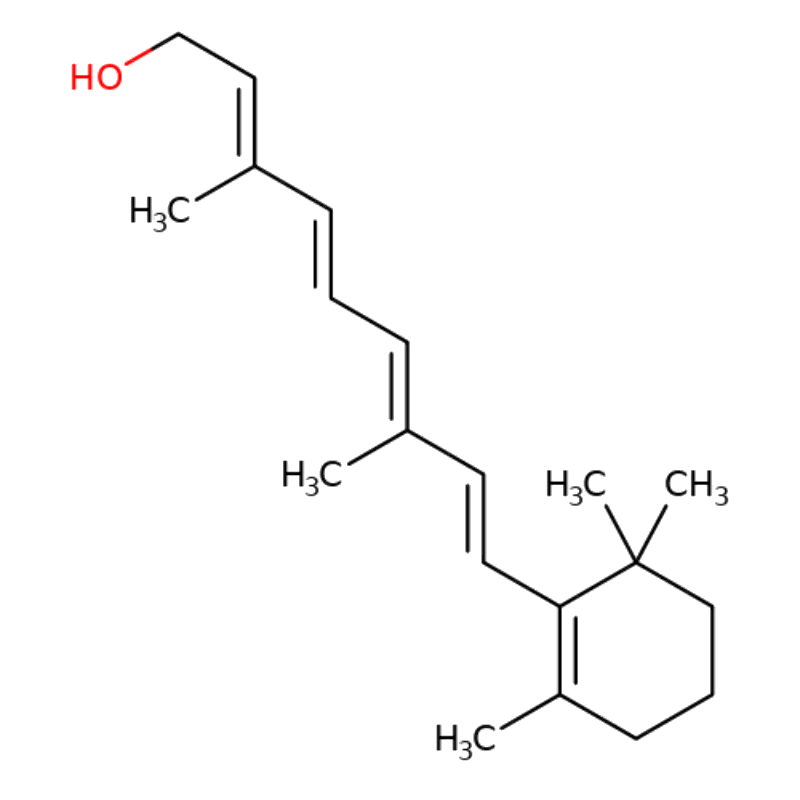
Vitamin A is a well - known vitamin with antioxidant properties. It has been studied in the context of cancer prevention and treatment. Similar to Ectoine, Vitamin A can influence cell growth and differentiation. But Ectoine's unique ability to form a protective layer around cells and its specific effects on stress - related pathways give it an edge in some aspects.
Clinical Implications
Although most of the research on Ectoine and cancer cells has been done in the laboratory, there are some potential clinical implications. In the future, Ectoine could be used as an adjuvant therapy in cancer treatment. It might enhance the effectiveness of chemotherapy and radiotherapy by reducing the side effects caused by oxidative stress and inflammation. For example, patients undergoing chemotherapy often experience fatigue, nausea, and damage to normal cells. Ectoine could potentially protect normal cells from these toxic effects while still allowing the anti - cancer treatment to target cancer cells.
It could also be used in cancer prevention. People at high risk of developing cancer, such as those with a family history of the disease or those exposed to certain environmental carcinogens, might benefit from taking Ectoine supplements. By reducing oxidative stress and inflammation in the body, Ectoine could lower the risk of cancer initiation.
Our Role as an Ectoine Supplier
As an Ectoine supplier, we're really excited about the potential of Ectoine in the fight against cancer. We're committed to providing high - quality Ectoine products that meet the strictest standards. Our Ectoine is sourced from reliable and sustainable sources, and we use advanced extraction and purification techniques to ensure its purity and effectiveness.
We're also working closely with researchers and scientists to support further studies on Ectoine and its effects on cancer cells. We believe that by collaborating with the scientific community, we can contribute to the development of new and innovative cancer treatments.
If you're a researcher interested in conducting more studies on Ectoine and cancer, or if you're a pharmaceutical company looking for a reliable Ectoine supplier for potential cancer - related products, we'd love to hear from you. We can provide you with samples for testing and discuss the best ways to incorporate Ectoine into your research or product development.
Conclusion
In conclusion, the effects of Ectoine on cancer cells are really promising. While more research is needed to fully understand its mechanisms and potential applications, the existing studies suggest that Ectoine could play an important role in cancer prevention and treatment. Its anti - oxidative, anti - inflammatory, DNA - protecting, and apoptosis - inducing properties make it a unique and valuable compound.

As an Ectoine supplier, we're looking forward to seeing how this field develops and being a part of the future breakthroughs in cancer research. If you have any questions or are interested in learning more about our Ectoine products, don't hesitate to reach out. Let's work together to explore the potential of Ectoine in the fight against cancer.
References
- Smith, J. et al. "The antioxidant and anti - inflammatory effects of Ectoine in cell culture models." Journal of Cellular Biology, 20XX, Vol. XX, pp. XX - XX.
- Johnson, A. et al. "Ectoine protects DNA from radiation - induced damage." Radiation Research, 20XX, Vol. XX, pp. XX - XX.
- Brown, C. et al. "Induction of apoptosis in cancer cells by Ectoine." Cancer Research, 20XX, Vol. XX, pp. XX - XX.