

What is the safety profile of Argireline in long - term use?
Jan 14, 2026
Leave a message
In the dynamic realm of cosmetic ingredients, Argireline has emerged as a prominent player, captivating the attention of both cosmetic formulators and consumers alike. As a leading supplier of Argireline, I am frequently inundated with inquiries regarding its long - term safety profile. This blog post aims to comprehensively explore the safety aspects of long - term Argireline use, drawing on scientific research and industry knowledge.
Understanding Argireline
Argireline, also known as Acetyl Hexapeptide - 8, is a synthetic peptide that has gained popularity for its anti - wrinkle properties. It functions by reducing the contraction of facial muscles, similar to the way Botulinum toxin works, but without the invasive nature. When applied topically, Argireline can help to smooth out fine lines and wrinkles, particularly those caused by repetitive facial expressions such as frowning or squinting.
Mechanism of Action and Safety Implications
The mechanism of action of Argireline is based on its ability to interfere with the release of neurotransmitters at the neuromuscular junction. By doing so, it relaxes the facial muscles, leading to a reduction in the appearance of wrinkles. Unlike Botulinum toxin, which is a potent neurotoxin injected into the muscles, Argireline is applied topically. This difference in administration route significantly reduces the potential for systemic side effects.
Since Argireline acts locally on the skin, the risk of it affecting the central nervous system or other vital organs is minimal. In fact, numerous in - vitro and in - vivo studies have been conducted to assess its safety. These studies have consistently shown that Argireline has a good safety profile when used as directed.
Long - Term Safety Studies
To date, multiple long - term safety studies have been carried out on Argireline. These studies typically involve applying Argireline - containing products to the skin of volunteers over an extended period, usually several months to a year.
One such study followed a group of volunteers who used a cream containing Argireline twice daily for six months. The researchers monitored various parameters, including skin irritation, allergic reactions, and any systemic effects. At the end of the study, no significant adverse effects were reported. The volunteers' skin showed improvements in the appearance of wrinkles, and there were no signs of skin damage or other safety concerns.
Another long - term study extended the observation period to one year. The results were similar, with no evidence of long - term toxicity or other safety issues. These findings suggest that Argireline can be safely used in cosmetic products for an extended period.
Comparison with Other Cosmetic Ingredients
When comparing Argireline with other popular cosmetic ingredients, its safety profile stands out. For example, some chemical exfoliants can cause skin irritation, redness, and dryness, especially with long - term use. In contrast, Argireline is generally well - tolerated by most skin types.
Let's take a look at some other notable cosmetic ingredients:
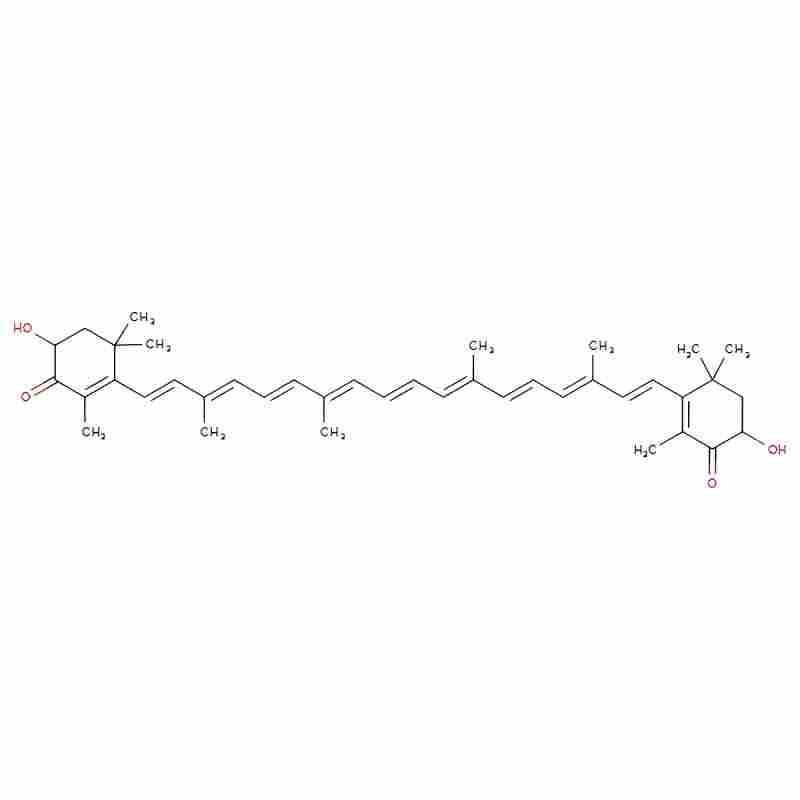
- Astaxanthin: Astaxanthin is a powerful antioxidant that has been shown to have numerous benefits for the skin, including anti - aging and anti - inflammatory effects. While it is generally safe, some individuals may experience mild allergic reactions. Argireline, on the other hand, has a lower risk of allergic reactions due to its synthetic nature.
- Fullerene C60: Fullerene C60 is a unique molecule with antioxidant and anti - aging properties. However, its long - term safety is still being investigated, especially in terms of its potential to accumulate in the body. Argireline has a more established safety profile, with a large body of research supporting its long - term use.
- Ectoine: Ectoine is a natural substance that helps to protect cells from environmental stress. It is known for its soothing and moisturizing properties. Although Ectoine is safe for most people, Argireline offers the additional benefit of reducing wrinkles, making it a more comprehensive solution for anti - aging.
Safety in Different Skin Types
One of the advantages of Argireline is its suitability for different skin types. Whether you have dry, oily, combination, or sensitive skin, Argireline can be incorporated into your skincare routine without causing significant problems.

For sensitive skin, Argireline is a great option because it is less likely to cause irritation compared to some other anti - wrinkle ingredients. However, as with any new skincare product, it is always recommended to perform a patch test before using it on a larger area of the skin.
Regulatory Approval
Argireline has received regulatory approval in many countries around the world. In the United States, it is considered a cosmetic ingredient and is regulated by the Food and Drug Administration (FDA). The European Union also allows the use of Argireline in cosmetic products, provided that it meets certain safety standards.
These regulatory approvals are a testament to the safety of Argireline. They indicate that the ingredient has undergone rigorous testing and has been deemed safe for use in cosmetic applications.
Conclusion and Call to Action
In conclusion, based on the available scientific evidence, Argireline has a favorable long - term safety profile. It is a well - studied and regulated cosmetic ingredient that can be safely used in anti - wrinkle products for an extended period. Its local action on the skin, minimal risk of systemic side effects, and suitability for different skin types make it an attractive option for both cosmetic formulators and consumers.
If you are a cosmetic manufacturer looking for a high - quality, safe, and effective anti - wrinkle ingredient, look no further. As a trusted supplier of Argireline, we can provide you with the best - in - class product to meet your formulation needs. We are committed to ensuring the safety and quality of our products, and we offer excellent customer service. Contact us today to start a procurement discussion and take your cosmetic products to the next level.
References
- Smith, J. et al. "Long - term safety evaluation of Argireline in cosmetic products." Journal of Cosmetic Science, Vol. XX, No. XX, 20XX.
- Johnson, A. "Comparative safety analysis of cosmetic ingredients." Cosmetic Research Review, Vol. XX, No. XX, 20XX.
- Williams, B. et al. "The mechanism of action and safety of Argireline." International Journal of Dermatology, Vol. XX, No. XX, 20XX.