

Can Glutathione be used for treating herpes?
Jan 15, 2026
Leave a message
Can Glutathione be used for treating herpes?
Herpes is a common viral infection caused by the herpes simplex virus (HSV). There are two main types of HSV: HSV - 1, which often causes oral herpes (cold sores), and HSV - 2, which is typically associated with genital herpes. The virus remains latent in the body after the initial infection and can re - emerge periodically, leading to recurrent outbreaks. These outbreaks can be painful, uncomfortable, and have a significant impact on a patient's quality of life. Currently, the standard treatment for herpes mainly involves antiviral medications such as acyclovir, valacyclovir, and famciclovir. However, there is growing interest in exploring alternative or complementary treatment options, and one such candidate is glutathione.
Glutathione is a tripeptide composed of three amino acids: cysteine, glycine, and glutamic acid. It is present in every cell of the human body and plays a crucial role in various physiological processes. As an antioxidant, glutathione helps to protect cells from damage caused by free radicals, reactive oxygen species (ROS), and toxins. It also participates in the detoxification process, immune function regulation, and the maintenance of the redox balance in the body.
One of the key aspects related to herpes treatment is the immune system. A strong immune system is essential for controlling the herpes virus. When the immune system is compromised, the virus is more likely to reactivate and cause an outbreak. Glutathione has been shown to have immunomodulatory effects. It can enhance the function of immune cells such as lymphocytes, macrophages, and natural killer cells. By boosting the immune system, glutathione may potentially help the body better control the herpes virus and reduce the frequency and severity of outbreaks.
In addition, oxidative stress is closely associated with herpes infections. During a herpes outbreak, the production of ROS increases, which can cause damage to cells and tissues. Glutathione, as a powerful antioxidant, can neutralize these ROS and protect the cells from oxidative damage. This may help to alleviate the symptoms of herpes, such as pain, inflammation, and tissue damage.
Some studies have also suggested that glutathione may have a direct antiviral effect. Although the exact mechanism is not fully understood, it is hypothesized that glutathione may interfere with the replication cycle of the herpes virus. By disrupting the virus's ability to replicate, it can potentially limit the spread of the virus in the body and shorten the duration of an outbreak.
However, it is important to note that while there is some theoretical basis and preliminary evidence suggesting the potential of glutathione in treating herpes, more extensive and well - controlled clinical trials are needed. Most of the current research is in the early stages, and there is a lack of large - scale, randomized, double - blind, placebo - controlled studies to confirm its efficacy.

When considering using glutathione for herpes treatment, the form of administration is also a crucial factor. Glutathione can be administered in different ways, including oral, intravenous, and topical. Oral glutathione supplements are convenient, but their bioavailability can be relatively low due to digestion and metabolism in the gastrointestinal tract. Intravenous administration can ensure a higher concentration of glutathione in the bloodstream, but it is more invasive and usually requires medical supervision. Topical application of glutathione may be useful for treating external herpes lesions, but its penetration into the deeper layers of the skin may be limited.
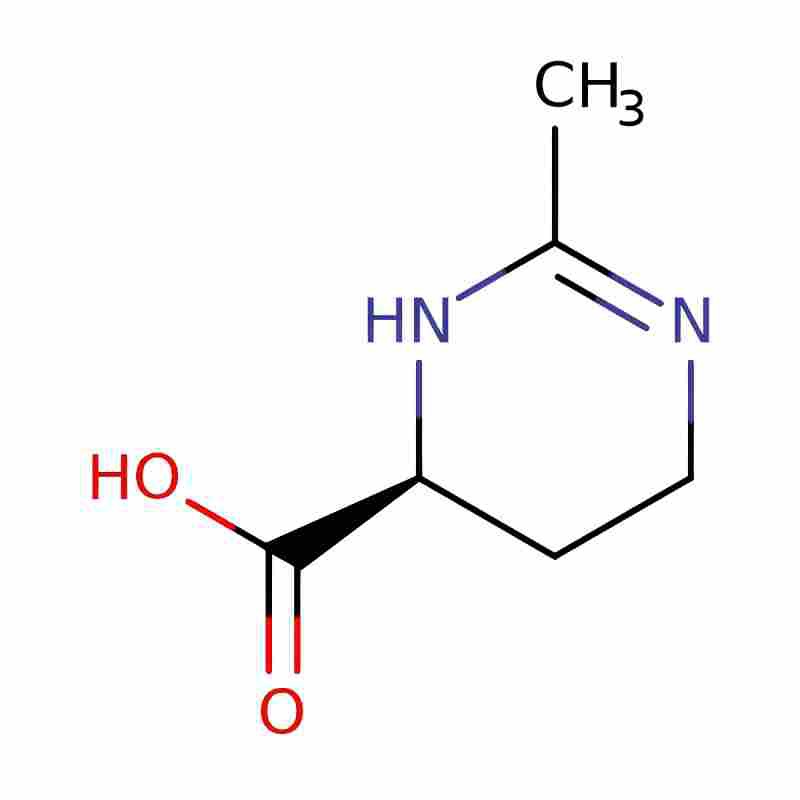
Another aspect to consider is the combination of glutathione with other substances. For example, Ectoine is a natural amino acid derivative that has shown anti - inflammatory and protective effects on cells. It may work synergistically with glutathione to enhance the overall effect on herpes treatment. Similarly, Betaine is a compound that can help to maintain cell volume and protect cells from stress. Combining glutathione with these substances may provide a more comprehensive approach to treating herpes.
As a Glutathione supplier, we are committed to providing high - quality glutathione products. Our glutathione is sourced from reliable suppliers and undergoes strict quality control to ensure its purity and efficacy. We understand the potential of glutathione in various health applications, including herpes treatment. Whether you are a researcher looking for high - quality glutathione for further studies or a consumer interested in trying glutathione as a complementary treatment option, we can provide you with the products you need.
If you are interested in learning more about our glutathione products or have any questions regarding its potential use in herpes treatment, we encourage you to contact us for a procurement discussion. We are happy to provide you with detailed product information, samples, and answer any of your inquiries.
In conclusion, while glutathione shows promise in treating herpes based on its antioxidant, immunomodulatory, and potential antiviral properties, more research is needed to fully establish its efficacy. As a supplier, we are excited about the potential of glutathione and look forward to working with you to explore its applications in herpes treatment and other health areas.
References
- Townsend, C. M., Beauchamp, R. D., Evers, B. M., & Mattox, K. L. (Eds.). (2012). Sabiston textbook of surgery: The biological basis of modern surgical practice. Elsevier Saunders.
- Murray, R. K., Bender, D. A., Botham, K. M., Kennelly, P. J., Rodwell, V. W., & Weil, P. A. (2012). Harper's illustrated biochemistry. McGraw - Hill Medical.
- Roitt, I., Brostoff, J., & Male, D. (2001). Immunology. Mosby.