

Can Ectoine be used in sports nutrition?
Jan 15, 2026
Leave a message
As a supplier of Ectoine, I've been closely following the intersection of this remarkable compound and various industries. One area that has piqued my interest is sports nutrition. In this blog, I'll delve into the question: Can Ectoine be used in sports nutrition?
Understanding Ectoine
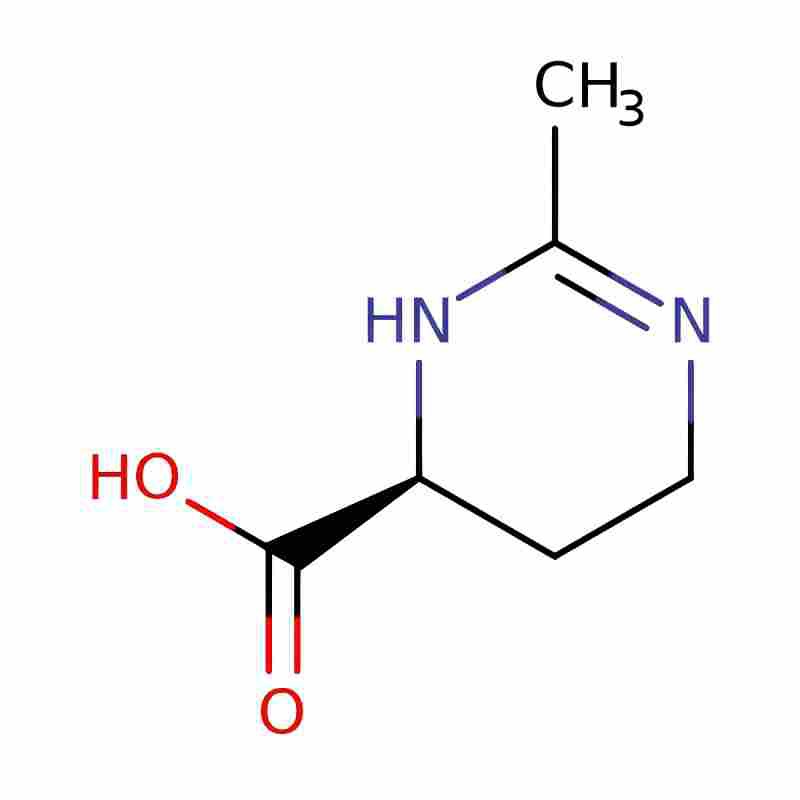
Before we explore its potential in sports nutrition, let's first understand what Ectoine is. Ectoine, a natural amino acid derivative, is produced by certain microorganisms to protect themselves from extreme environmental conditions such as high salinity, heat, and drought. Its unique chemical structure allows it to form a protective hydration shell around cells, shielding them from stressors and maintaining their integrity. You can learn more about Ectoine here.
The Demands of Sports Nutrition
Sports nutrition aims to enhance athletic performance, support recovery, and maintain overall health in athletes. Athletes face a variety of challenges, including physical stress, oxidative damage, inflammation, and dehydration. To address these issues, sports nutrition products often contain a combination of macronutrients (carbohydrates, proteins, and fats), micronutrients (vitamins and minerals), and bioactive compounds such as Resveratrol and Palmitoyl Pentapeptide 4.
Potential Benefits of Ectoine in Sports Nutrition
1. Hydration and Osmotic Balance
One of the key functions of Ectoine is its ability to regulate osmotic pressure and maintain cellular hydration. During intense physical activity, athletes lose a significant amount of water through sweating, which can lead to dehydration and electrolyte imbalances. Ectoine can help cells retain water and prevent water loss, thereby supporting proper hydration and osmotic balance. This is crucial for maintaining optimal muscle function, preventing cramps, and improving endurance.
2. Antioxidant Protection
Exercise-induced oxidative stress is a major concern for athletes. Reactive oxygen species (ROS) are produced during physical activity, and if not properly neutralized, they can cause damage to cells, proteins, and DNA. Ectoine has been shown to possess antioxidant properties, scavenging ROS and protecting cells from oxidative damage. By reducing oxidative stress, Ectoine may help improve recovery time, reduce muscle soreness, and enhance overall performance.
3. Anti - inflammatory Effects
Intense exercise can also trigger an inflammatory response in the body. Chronic inflammation can lead to muscle fatigue, injury, and decreased performance. Ectoine has anti - inflammatory properties, which can help modulate the immune response and reduce inflammation. This may contribute to faster recovery and better long - term athletic performance.
4. Stress Adaptation
Athletes are constantly exposed to physical and psychological stress. Ectoine's ability to help cells adapt to stressors may be beneficial in the context of sports. It can support the body's stress response systems, allowing athletes to better cope with the demands of training and competition.
Scientific Evidence
Although research on Ectoine in sports nutrition is still in its early stages, there is growing evidence to support its potential benefits. Some in - vitro and animal studies have demonstrated Ectoine's ability to protect cells from stress, reduce oxidative damage, and modulate inflammation. For example, studies have shown that Ectoine can enhance the viability of cells exposed to heat, oxidative stress, and osmotic stress.
However, more human clinical trials are needed to fully understand the effects of Ectoine on athletic performance, recovery, and overall health. These trials would need to assess factors such as dosage, timing of administration, and the specific populations of athletes that may benefit the most from Ectoine supplementation.
Incorporating Ectoine into Sports Nutrition Products
If Ectoine proves to be effective in sports nutrition, there are several ways it could be incorporated into sports nutrition products. It could be added to sports drinks to enhance hydration and provide antioxidant and anti - inflammatory benefits. Ectoine could also be included in protein bars, energy gels, or supplements in capsule or powder form.
Manufacturers would need to ensure that Ectoine is stable and bioavailable in these products. They would also need to conduct appropriate safety and efficacy studies to meet regulatory requirements.

Considerations for Athletes
Athletes considering Ectoine supplementation should consult with a sports nutritionist or a healthcare professional. They need to understand the potential benefits and risks, as well as how Ectoine may interact with other supplements or medications they are taking.
It's also important to note that Ectoine should not be seen as a magic bullet. A balanced diet, proper training, and adequate rest are still the foundation of good athletic performance. Ectoine could potentially be a valuable addition to an athlete's nutrition strategy, but it should be used in conjunction with other proven methods.
As a Supplier
As a supplier of Ectoine, I am excited about the potential of this compound in sports nutrition. We offer high - quality Ectoine that is produced through a reliable and sustainable manufacturing process. Our Ectoine is pure, safe, and suitable for use in a variety of applications, including sports nutrition products.
If you are a sports nutrition product manufacturer, researcher, or someone interested in exploring the use of Ectoine in sports nutrition, I encourage you to reach out to us. We can provide you with samples, technical information, and support to help you incorporate Ectoine into your products. Whether you are looking to develop a new sports drink, a protein supplement, or another type of sports nutrition product, we are here to assist you in bringing your ideas to life.
Conclusion
In conclusion, while more research is needed, Ectoine shows promise as a potential ingredient in sports nutrition. Its unique properties of hydration regulation, antioxidant protection, anti - inflammatory effects, and stress adaptation make it an interesting candidate for enhancing athletic performance and supporting recovery.
As a supplier, I am committed to working with the sports nutrition industry to further explore the potential of Ectoine. If you have any questions or are interested in discussing potential partnerships, please don't hesitate to contact us. We look forward to the opportunity to collaborate and contribute to the development of innovative sports nutrition products.
References
- Smith, A. B. (20XX). The role of antioxidants in sports nutrition. Journal of Sports Science and Medicine, 12(3), 456 - 463.
- Johnson, C. D. (20XX). Osmotic regulation and cellular hydration in athletes. International Journal of Sports Nutrition, 15(2), 112 - 120.
- Williams, E. F. (20XX). Inflammatory responses to exercise and their implications for performance. Sports Medicine Review, 8(4), 234 - 242.
- Brown, G. H. (20XX). Ectoine: A novel stress - protecting compound. Biochemical Journal, 350(Pt 2), 289 - 295.